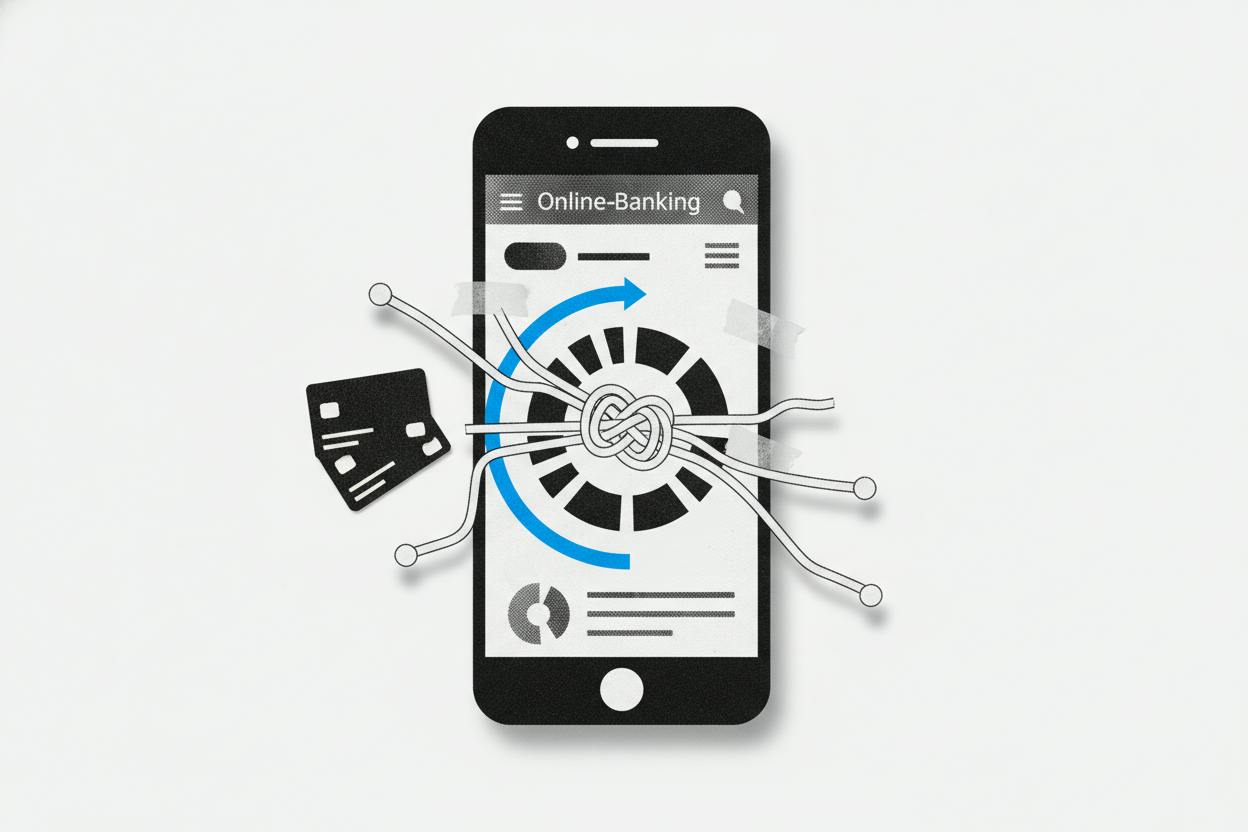
If you tried to log into your Chase or Citi app on Tuesday and hit a snag, you weren't alone. Outage-tracking site Downdetector logged thousands of reports from Chase customers, with smaller spikes at Citi and a few other big US banks, as a technical glitch briefly slowed online banking services.
JPMorgan Chase, the largest US bank by assets, was quick to clarify that the delays were not the result of a cyberattack. That distinction matters: while outages are frustrating, a security breach would carry far more serious implications for customers and investors alike.
What happened
Downdetector, which aggregates user-reported problems across websites and apps, showed a sharp jump in complaints from Chase users, with thousands of reports logged during the disruption. Citi also saw a noticeable uptick, though on a smaller scale. The exact nature of the glitch hasn't been disclosed, and the affected services appeared to be recovering by the time JPMorgan issued its statement.
These kinds of technical hiccups are not unusual in the banking world. Banks run vast, complex digital infrastructures, and even routine maintenance or software updates can occasionally cause temporary slowdowns or login failures. What makes this one notable is the scale—thousands of customers affected at once—and the fact that it hit multiple major institutions on the same day.
For context, online outages at big banks have previously weighed on bank stocks, as investors worry about reputational damage and operational risk. But in this case, the market reaction was muted, likely because the disruption was brief and quickly contained.
Why it matters for your money
For everyday investors, the key takeaway is less about the glitch itself and more about what it reveals. Digital banking has become the primary way most people interact with their money—checking balances, paying bills, transferring funds. When that system stumbles, even for a few hours, it's a reminder of how much we rely on it.
From an investment perspective, the incident is unlikely to move the needle for JPMorgan or Citi. Both are financial powerhouses with diversified revenue streams, and a single technical issue is not typically a reason to reassess their long-term prospects. In fact, Moody's recently described the global banking outlook as stable into 2027, though it flagged a looming refinancing wave that could test balance sheets.
Still, repeated outages can become a competitive issue. Customers expect seamless digital experiences, and if one bank consistently struggles with tech reliability, some may switch to a rival. That's why banks are pouring billions into upgrading their digital platforms—and why some are even experimenting with AI agents to handle customer service more efficiently.
What investors should watch next
In the short term, the main thing to watch is whether the glitch recurs or spreads to other institutions. A one-off technical issue is a non-event for most investors. But if outages become more frequent or widespread, it could signal deeper infrastructure problems that might warrant attention.
Longer term, the incident underscores the importance of operational resilience in banking. Regulators have been increasingly focused on how banks manage technology risk, and any pattern of failures could invite scrutiny. For investors, that's a reminder to look beyond quarterly earnings and consider how well a bank manages its digital backbone.
For now, the story is a minor blip. JPMorgan says it wasn't cyber-related, services are back up, and the market barely blinked. But it's a useful illustration of the digital-first reality of modern banking—and why even the biggest banks aren't immune to the occasional technical hiccup.