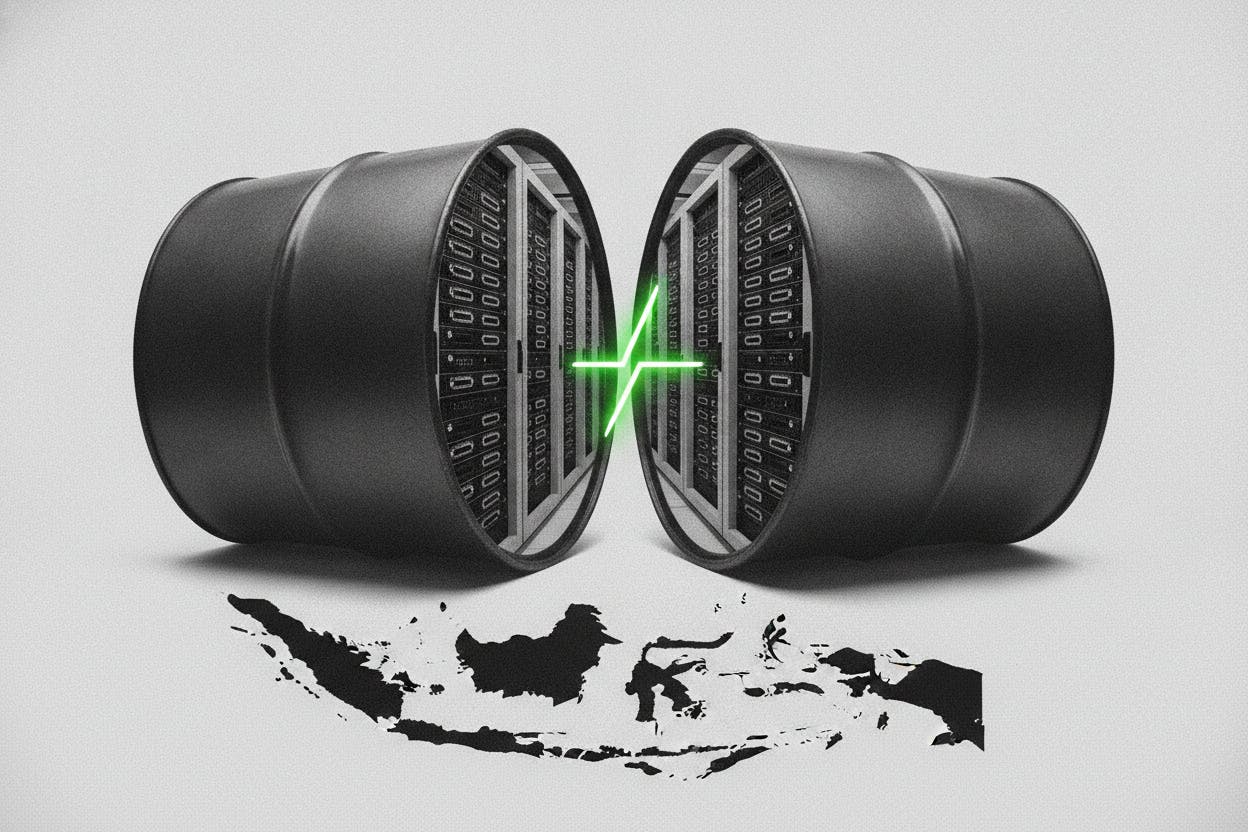
Ooredoo, one of the Middle East's largest telecom operators, is making a bold push into the fast-growing market for artificial intelligence infrastructure. The Qatari company said it will invest $800 million to take a 49% stake in Zankore, a newly formed "neocloud" platform designed specifically to handle AI workloads. The venture brings together Ooredoo with Indosat Ooredoo Hutchison, Nokia, and Nvidia, and will begin operations in Indonesia.
Zankore is positioning itself as a "neocloud" — a term for cloud providers built from the ground up for AI computing, rather than repurposed general-purpose data centers. The company's goal is to scale to 1 gigawatt (GW) of Nvidia "AI Factory" data center capacity over time. The first milestone is roughly 200 megawatts (MW) expected to come online in the first half of 2027, which is when the project shifts from ambition to serving actual paying customers.
Why a telecom company is betting on AI clouds
Telecom operators have been looking for new growth engines as their traditional voice and data businesses mature. Building and leasing out AI computing power is an attractive option because it leverages their existing strengths: access to land, power, and fiber networks, plus experience running large-scale infrastructure. Ooredoo's partnership with Nvidia is particularly notable, as it gives Zankore access to the chips that are in highest demand for AI training and inference.
The choice of Indonesia as the starting point is strategic. The country has a large and growing digital economy, and its government has been encouraging foreign investment in technology infrastructure. For Ooredoo, which already has a presence in Southeast Asia through its stake in Indosat Ooredoo Hutchison, Indonesia offers a natural beachhead for expanding across the region.
What this means for investors
For everyday investors, this deal is a reminder that the AI boom is not just about chipmakers like Nvidia. It is also driving massive spending on data centers, power, and cloud services. Companies that can secure the land, energy, and expertise to host AI hardware are becoming valuable in their own right. Ooredoo's move is part of a broader trend where telecoms and infrastructure firms are trying to capture some of the value being created by AI.
However, the venture is still early-stage. The $800 million investment is a significant sum, but the total cost of building 1GW of AI data center capacity will likely be much higher. Ooredoo and its partners will need to secure additional funding, navigate regulatory approvals, and compete with established cloud providers like Amazon Web Services, Microsoft Azure, and Google Cloud, as well as other neocloud startups. The first revenue is not expected until 2027, so this is a long-term bet.
For investors in Ooredoo, the deal adds a growth option but also increases exposure to the volatile AI infrastructure market. For those watching the broader sector, it signals that the race to build AI capacity is spreading beyond the usual tech hubs. The involvement of Nvidia is a strong endorsement, as the chipmaker typically partners with operators it believes can deliver scale.
Zankore's success will depend on execution. Building data centers is capital-intensive and subject to delays, and the AI computing market could become oversupplied if too many players build at once. Still, the demand for AI services is growing rapidly, and companies that can offer reliable, scalable capacity may find plenty of customers.
For now, investors should watch for updates on Zankore's construction timeline, customer sign-ups, and any additional funding rounds. The 200MW milestone in 2027 will be the first real test of whether this venture can move from paper to profit.