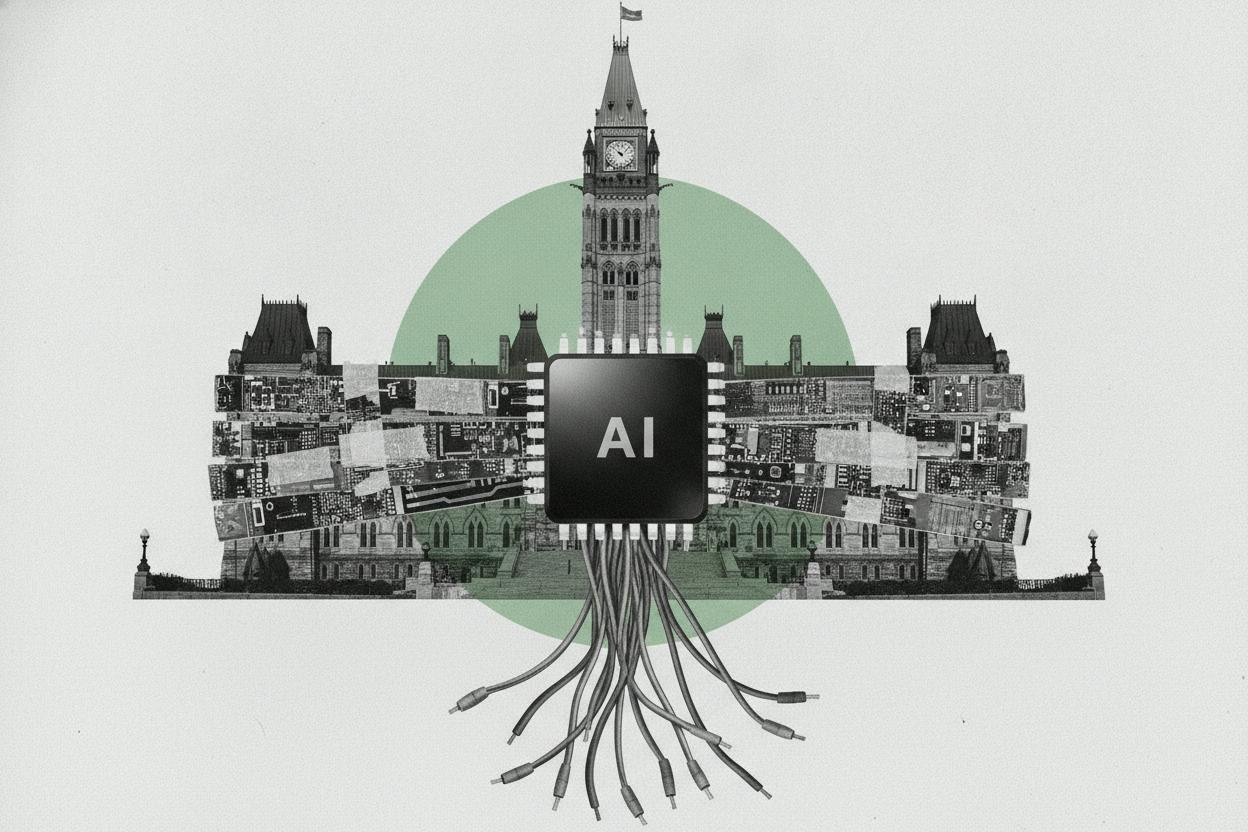
Canada's top banking regulator has put "frontier AI" on its watchlist, warning that the next generation of artificial intelligence could amplify existing risks for financial institutions. In its 2026 Semi-Annual Risk Outlook, the Office of the Superintendent of Financial Institutions (OSFI) said that while the banking system remains "resilient," the rapid adoption of advanced AI models introduces new vulnerabilities in cyber security, third-party dependencies, and reputational management.
What OSFI is worried about
OSFI's semi-annual outlook, released this week, updates the regulator's annual assessment from April. The key change: risks have risen since then, largely due to the growing use of frontier AI—the most advanced and capable AI systems, such as large language models that can generate text, code, and analysis. These models are increasingly being integrated into banks' operations, from customer service chatbots to fraud detection and risk modeling.
The regulator's concern is not that AI is inherently bad. In fact, OSFI acknowledged that the technology can boost productivity and improve decision-making. But the same features that make frontier AI powerful—its ability to process vast amounts of data, generate human-like responses, and operate with little human oversight—also create new avenues for cyberattacks, data breaches, and operational failures.
Specifically, OSFI flagged three areas of heightened risk:
- Cyber risk: AI can be used by malicious actors to launch more sophisticated phishing attacks, create deepfakes, or find vulnerabilities in bank systems. At the same time, banks' own AI systems could be manipulated or tricked into making harmful decisions.
- Third-party risk: Many banks rely on external vendors for AI tools and models. If those vendors have weak security or fail to meet regulatory standards, the bank could be exposed. OSFI has long emphasized the importance of managing third-party relationships, and AI adds a new layer of complexity.
- Reputational risk: If an AI system makes a biased decision, leaks customer data, or produces incorrect information, the bank's reputation could suffer. Regulators and customers alike are increasingly scrutinizing how AI is used, and missteps can lead to loss of trust.
Why this matters for investors
For everyday investors, this warning is a reminder that banks are not immune to the risks of new technology. While AI has the potential to cut costs and improve services, it also requires significant investment in risk management, compliance, and oversight. Banks that fail to keep up with these demands could face regulatory penalties, operational disruptions, or damage to their brand—all of which can affect their bottom line and, ultimately, their stock price.
OSFI's outlook also underscores the importance of capital and liquidity buffers. The regulator said the system remains resilient, thanks to the strong capital positions that Canadian banks have built over the years. These buffers are designed to absorb unexpected losses, and they provide a cushion against the kind of shocks that AI-related incidents could trigger.
However, the regulator's tone suggests that banks should not be complacent. The semi-annual outlook is a signal that OSFI expects banks to actively manage AI-related risks, and it may lead to more detailed guidance or supervisory expectations in the future. Investors should watch for any announcements from individual banks about how they are addressing these risks, as well as any regulatory actions that could impose new costs.
Broader context
This is not the first time regulators have raised concerns about AI in finance. Central banks and financial regulators around the world have been grappling with how to oversee the use of AI, from the European Union's AI Act to the U.S. Federal Reserve's focus on model risk management. Canada's approach, through OSFI, is part of a global trend toward greater scrutiny of AI in the financial sector.
For Canadian banks, which are among the most heavily regulated in the world, this is a familiar pattern. They have long been required to maintain high capital levels and undergo rigorous stress tests. The addition of AI risk to the regulatory agenda is a natural extension of that oversight.
Investors should also consider the broader economic backdrop. The Canadian banking sector has been navigating a period of elevated interest rates, which have squeezed margins and increased funding costs. In that environment, any new regulatory burden could add pressure. However, the system's resilience—backed by strong capital and liquidity—should help banks weather these challenges.
What to watch next
OSFI's outlook is a forward-looking document, and it does not specify any immediate actions. But investors should keep an eye on how banks respond. Look for disclosures in quarterly earnings about AI-related investments, risk management practices, and any potential liabilities. Also watch for any new regulatory guidance from OSFI, which could clarify expectations and potentially lead to higher compliance costs.
In the meantime, the message from OSFI is clear: AI is a double-edged sword. It offers significant opportunities for efficiency and innovation, but it also demands careful oversight. For investors, understanding how banks manage this balance will be key to assessing their long-term prospects.
As always, this is not a recommendation to buy or sell any stock. It's simply a look at what regulators are watching and how it might affect the financial system.