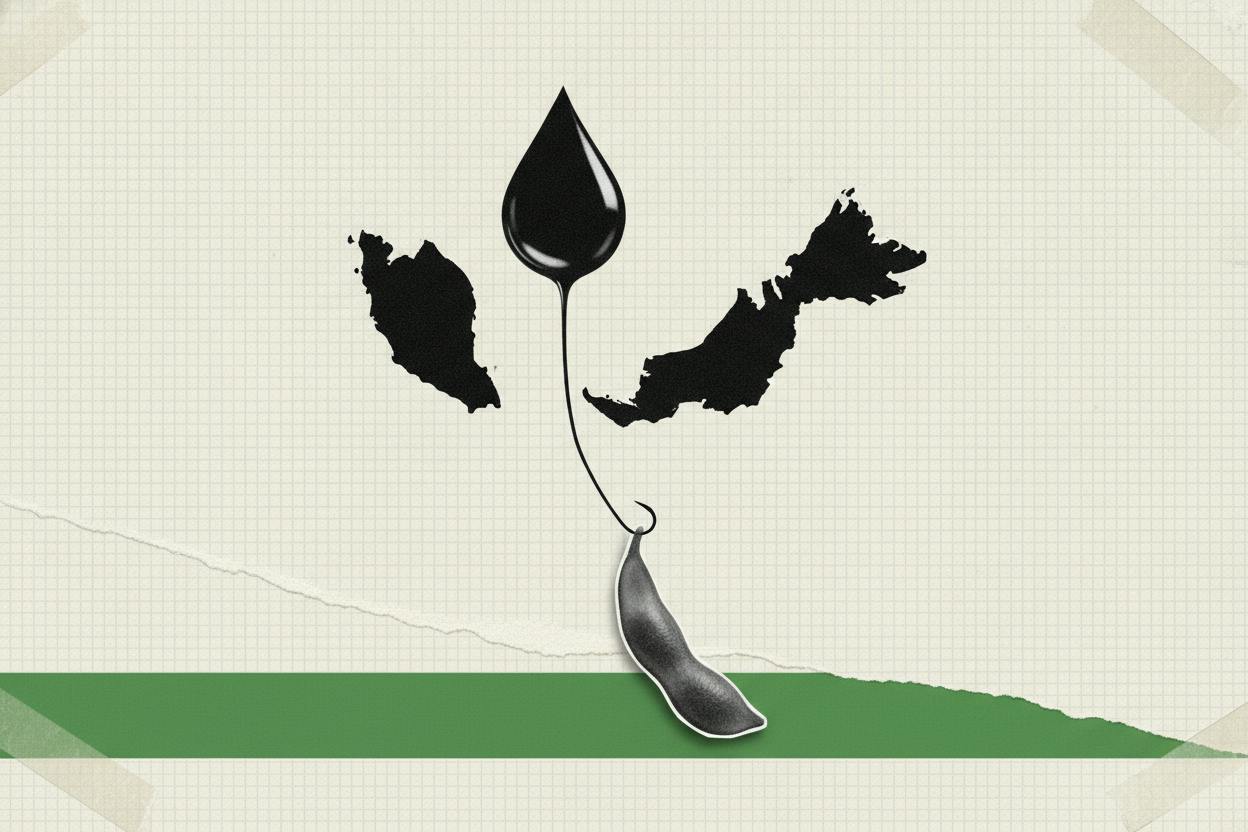
Malaysian palm oil futures slipped in early trade on Monday, snapping a three-session winning streak as weaker crude oil prices and cheaper rival vegetable oils weighed on the market. The benchmark contract on Bursa Malaysia Derivatives fell 0.81% to 4,528 ringgit a ton, tracking losses in competing oils.
Why palm oil follows its rivals
Palm oil rarely trades in isolation. It competes directly with other edible oils—most notably soybean oil—for buyers in global markets. When soybean oil prices fall, palm oil often follows, as traders and food companies compare the price gap between the two and shift orders to whichever is cheaper.
On Monday, Chicago-traded soybean oil dropped 0.45%, and China's Dalian commodity benchmarks also dipped. That softer tone spilled over into palm, pulling the Malaysian contract down from its recent gains.
Crude oil also plays a role. Palm oil is used to produce biodiesel, so when crude prices weaken, the incentive to blend palm-based fuel diminishes. That can reduce demand expectations and put downward pressure on palm prices.
What this means for investors
For everyday investors, palm oil futures are a barometer for the broader edible oils complex, which affects food prices worldwide. A dip in palm oil can signal cheaper cooking oil costs down the line, which may ease inflation pressures in food-importing countries.
But the move is also a reminder that commodity markets are interconnected. A change in soybean oil or crude oil can quickly ripple into palm, and vice versa. Investors who track agricultural commodities should watch the spreads between palm and soybean oil, as well as energy prices, for clues about where the market heads next.
Palm oil remains a key export for Malaysia and Indonesia, which together account for the vast majority of global supply. Any sustained weakness in prices can affect the revenues of plantation companies and the economies of producing regions.
Broader market context
The dip in palm comes amid a mixed session for commodities. While some agricultural markets saw gains—such as cattle futures hitting a two-week high on improved packer profits—others, like natural gas, slid on ample storage. Meanwhile, gold slipped as the dollar firmed, though central bank buying offered some support.
Investors are also keeping an eye on macroeconomic data. In Asia, Japan's GDP slipped 0.1% as consumers tightened spending, and Australia's ASX 200 slipped on renewed inflation worries ahead of the central bank's minutes. These signals suggest that global demand may be softening, which could weigh on commodity prices broadly.
What to watch next
Traders will be watching for updates on palm oil export data from Malaysia, as well as weather conditions in key growing regions. Any change in soybean oil prices or crude oil will likely continue to influence palm's direction.
For now, the market appears to be taking a breather after a three-day rally, with cheaper rivals setting the tone. Whether palm can regain its footing will depend on whether demand picks up and whether the price gap with soybean oil narrows.
As always, commodity prices are volatile, and moves like Monday's are part of the normal ebb and flow. Investors should focus on the longer-term trends rather than reacting to a single session's dip.



