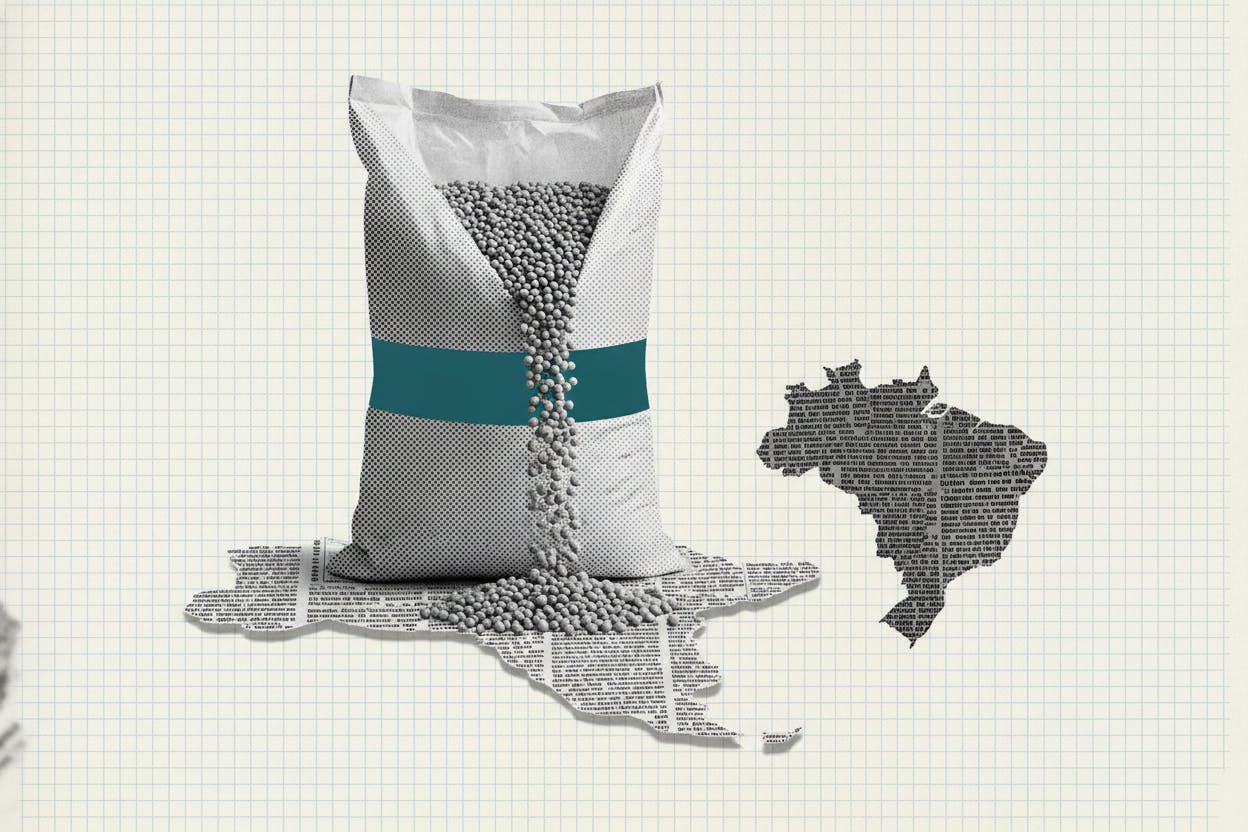
Argentine energy company Pampa Energia has announced plans to invest $2.7 billion in a large-scale fertilizer plant in Bahía Blanca, a move that could reshape the country's agricultural input supply chain. The facility would produce granulated urea, a nitrogen-based fertilizer essential for boosting crop yields, at a rate of 2.1 million metric tons per year by the end of 2029.
Why Urea Matters for Argentina's Economy
Urea is a key input for farmers, especially in grain-heavy economies like Argentina's. The country is one of the world's top exporters of soybeans, corn, and wheat, but it currently relies heavily on imports for the fertilizers that help grow those crops. That dependence creates vulnerabilities: when the Argentine peso weakens or when the government restricts access to foreign currency to pay for imports, fertilizer prices can spike, squeezing farmers' margins and eventually feeding into higher food costs for consumers.
Pampa's project targets exactly that problem. By producing urea domestically, the company says it could replace a significant portion of imports and also sell surplus output to neighboring Brazil, the largest agricultural economy in South America. The company estimates the plant could generate about $1 billion in annual economic value for Argentina through import substitution and export revenue, while also bringing in much-needed foreign currency.
The RIGI Incentive Program
To make the numbers work, Pampa has applied for benefits under Argentina's Incentive Regime for Large Investments (RIGI), a government program designed to attract long-term capital by offering tax breaks, customs duty exemptions, and other regulatory stability guarantees. The program is part of a broader push by the administration of President Javier Milei to encourage large-scale private investment and reduce the country's chronic fiscal and trade deficits.
For Pampa, RIGI approval would help offset the high upfront cost of building a world-class fertilizer plant. The company already operates in energy generation and oil and gas production, and this project would mark a significant expansion into the agricultural chemicals sector.
What It Means for Investors
For everyday investors, the story is less about Pampa's stock specifically and more about the broader implications for Argentina's economy and the agricultural supply chain. Fertilizer is a major cost for crop producers, and when a key input is imported, its price can swing with the peso's moves and any shortages created by limited access to dollars. More domestic urea supply would not eliminate those pressures, but it could make farm input costs less sensitive to currency shocks and import bottlenecks.
Over time, that can matter beyond farms: steadier costs in the grain supply chain can help reduce some of the stop-start jumps that filter into food prices. For investors holding Argentine bonds or stocks tied to the agricultural sector, a successful ramp-up of domestic fertilizer production could be a positive tailwind, potentially lowering input costs for farmers and improving export competitiveness.
That said, the project is still years away from completion, and its success depends on regulatory approvals, construction timelines, and global fertilizer prices. Investors should watch for updates on RIGI approval and any progress on financing. In the meantime, the broader energy sector has seen mixed moves recently, with energy stocks rallying on oil price surges even as tech shares retreat.
The Bottom Line
Pampa Energia's $2.7 billion urea bet is a long-term play on Argentina's agricultural strength and its need to reduce import dependence. If executed, the plant could provide a steady source of fertilizer for local farmers, open an export channel to Brazil, and help stabilize a key cost in the food supply chain. For now, it remains a large-scale project with significant execution risk, but one that highlights the potential for energy and industrial companies to diversify into agricultural inputs.