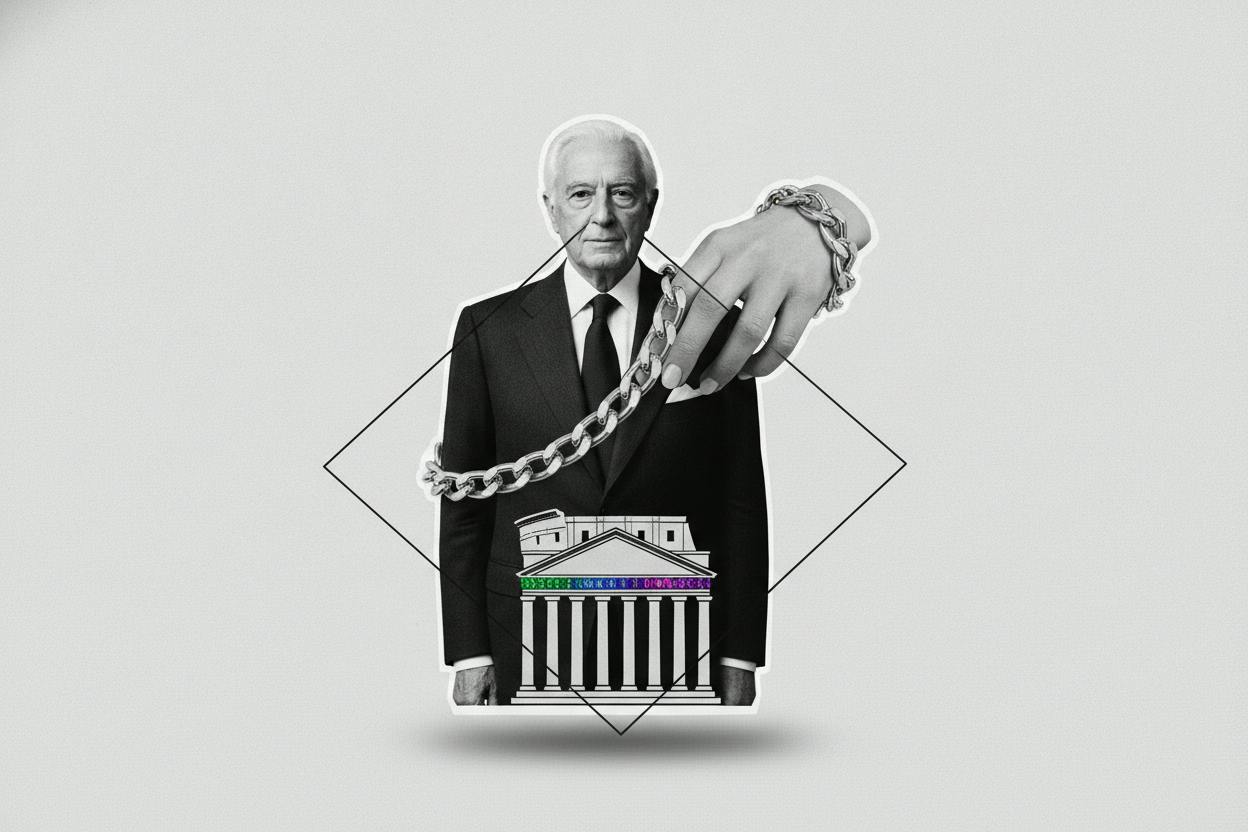
Paolo Bulgari, the longtime chairman who helped transform BVLGARI from a single Roman jewelry shop into a worldwide luxury group, died Saturday at the age of 89. The company and his family confirmed the news, marking the end of an era for one of Italy's most storied brand dynasties.
Bulgari joined the family firm in 1960, quickly earning a reputation as one of the world's leading experts in precious stones. From 1984, he guided the brand's expansion alongside his brother Nicola and later his nephew Francesco Trapani. Under their leadership, BVLGARI pushed well beyond its jewelry roots into watches, fragrances, accessories, and even hotels, while opening flagship boutiques in fashion capitals like New York and Paris.
That kind of growth is rarely just about design flair. Scaling a luxury house demands heavy upfront spending on inventory, marketing, and prime real estate, plus a distribution network capable of keeping boutiques stocked and the brand consistent across continents. It's a capital-intensive game that not every family-run company can sustain on its own.
A painful but necessary sale
In 2011, the Bulgari family made a decision that would reshape the luxury landscape: they sold control of the Milan-listed company to LVMH, the French conglomerate behind Louis Vuitton and Moët & Chandon, for about $5 billion. The deal ended more than a century of family control and marked one of the largest acquisitions in luxury goods history.
Paolo Bulgari later described the sale as painful but necessary, saying it was the only way to secure the company's future and protect its thousands of employees. On Saturday, LVMH CEO Bernard Arnault paid tribute, saying Bulgari played a pivotal role in the maison's success while safeguarding its Italian spirit and deeply rooted Roman heritage.
The deal was structured as a share swap, with LVMH acquiring Bulgari's family stake in exchange for LVMH shares. That structure allowed the Bulgari family to become significant shareholders in the larger group, giving them a continued stake in the brand's success even after ceding operational control.
What it means for investors
BVLGARI's journey offers a clear lesson for anyone investing in luxury or consumer brands: once a house moves past a single signature category, the main constraint often becomes capital and infrastructure, not creativity. Conglomerates like LVMH can fund store rollouts and new product lines, and bring shared capabilities like retail operations and global distribution.
In return, founding families may give up control, while the brand's heritage becomes the core asset the group protects and commercializes as it expands. That trade-off—control for scale—is a recurring theme in the luxury sector, and it's one investors should watch when evaluating family-controlled companies.
For everyday investors, the Bulgari story also highlights the value of brand equity. A heritage name with deep roots can command premium pricing and customer loyalty, but realizing that value often requires deep pockets. That's why we've seen a wave of consolidation in luxury, with giants like LVMH absorbing independent houses. The aging populations reshaping global growth could also play a role, as older, wealthier consumers tend to drive demand for high-end goods.
LVMH's acquisition of Bulgari has proven highly successful, with the brand now a key pillar in the group's jewelry and watches division. The deal is often cited as a textbook example of how a conglomerate can scale a heritage brand while preserving its identity—a model that other luxury groups have since tried to replicate.
For investors, the takeaway is that the luxury sector rewards scale and distribution as much as craftsmanship. While independent brands can thrive in niche markets, going global typically requires either deep internal resources or a partnership with a larger player. The recent market volatility has reminded investors that luxury stocks are not immune to broader economic swings, but long-term demand for iconic brands has historically remained resilient.
Paolo Bulgari's death closes a chapter, but his legacy lives on in the brand that bears his family's name—and in the strategic blueprint that turned a Roman jeweler into a global powerhouse.