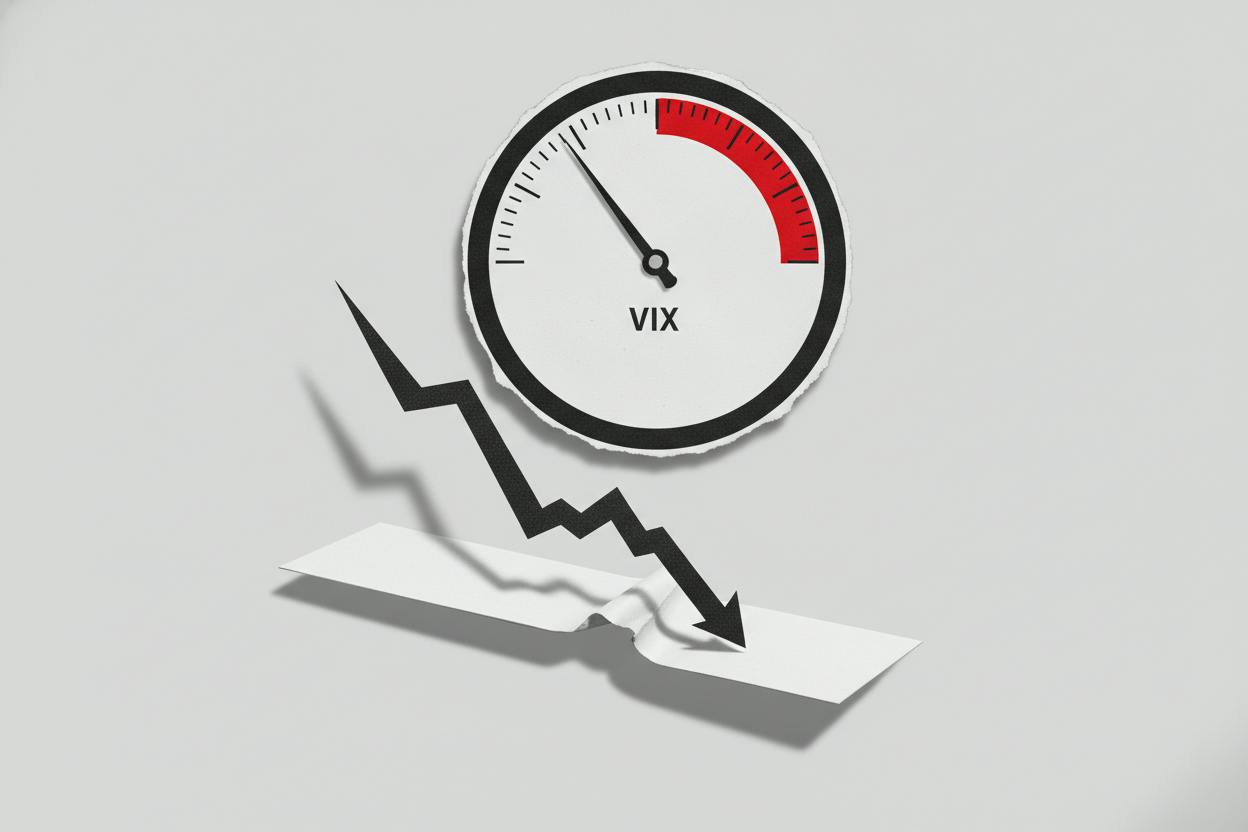
The S&P 500 has fallen 11.6% from its October 6 high, officially entering a correction—a drop of 10% or more from a recent peak. The slide has been led by mega-cap technology stocks as investors reassess how durable the AI-driven profit story really is. Now, with the Cboe Volatility Index (VIX) at 35.89, Wall Street is trying to figure out whether this selloff is finding a floor or setting up for another leg down.
What's driving the selloff?
The correction has been broad, but the heaviest weight has come from the tech giants that powered much of the market's gains over the past year. As AI trade cools and defensives gain, investors are questioning whether the earnings growth from artificial intelligence can justify the lofty valuations these stocks reached. That reassessment has hit the biggest names hardest, dragging the index lower.
At the same time, markets are trying to price the Federal Reserve's next moves. The central bank's policy meeting on December 8-9 is now in focus. Most investors expect a quarter-point rate cut, but the bigger question is what the Fed signals about future tightening. If the message is hawkish—suggesting more rate hikes to come—stocks could face further pressure. If it hints at a pause, that could help stabilize markets.
The VIX spike and what it means
The VIX, often called Wall Street's "fear gauge," measures expected volatility in the S&P 500 over the next 30 days, based on options prices. A reading of 35.89 is well above the long-term average of around 20, indicating that investors are bracing for big swings.
That jump matters because it can become self-fulfilling. When expected volatility rises, investors typically demand a higher "equity risk premium"—the extra return they require for holding stocks instead of safer assets. That higher bar tends to push prices down until the math looks attractive again. Additionally, systematic funds that follow rules—like volatility-targeting and risk-parity strategies—often cut stock exposure when volatility spikes, then add it back only after markets calm. This can amplify both selloffs and rebounds.
Strategists are watching whether fear is peaking. A move toward 40 is often seen as a "maximum stress" zone, but some argue that valuations still have room to reset, meaning the correction could have further to go.
What it means for investors
For everyday investors, the VIX at 35.89 isn't just a number—it has real consequences. It raises the implied cost of insuring portfolios, which can pressure stocks and widen day-to-day swings. It can also trigger mechanical de-risking from rule-based funds, potentially extending the chop even if the economic news doesn't change much.
Still, volatility spikes often burn out. Angelo Kourkafas, an investment strategist, noted that when the VIX first closes above 30 in a cycle, the S&P 500 has averaged an 8.1% total return over the following six months. That historical pattern isn't a promise, but it helps explain why a sustained drop in the VIX from the mid-30s could start to make the next stretch look better than the current tape feels.
For those watching the broader market, the 200-day moving average is a key technical level to monitor. A break below it could signal more downside, while holding above it might suggest the correction is running its course.
What to watch next
The Fed's December meeting is the next major catalyst. Investors will parse the statement and press conference for any shift in tone on inflation and future rate moves. Beyond that, earnings season will offer clues about whether corporate profits can hold up in a higher-rate environment.
For now, the debate is whether this correction is a healthy reset or the start of something worse. The VIX's path—whether it keeps climbing toward 40 or starts to fade—will be a key tell. As always, history suggests that volatility spikes don't last forever, but that doesn't make the current discomfort any easier to stomach.
For investors, the takeaway is to stay focused on the long term. Corrections are a normal part of market cycles, and trying to time the bottom is notoriously difficult. Keeping a diversified portfolio and a steady hand is often the best strategy, even when the headlines feel scary.