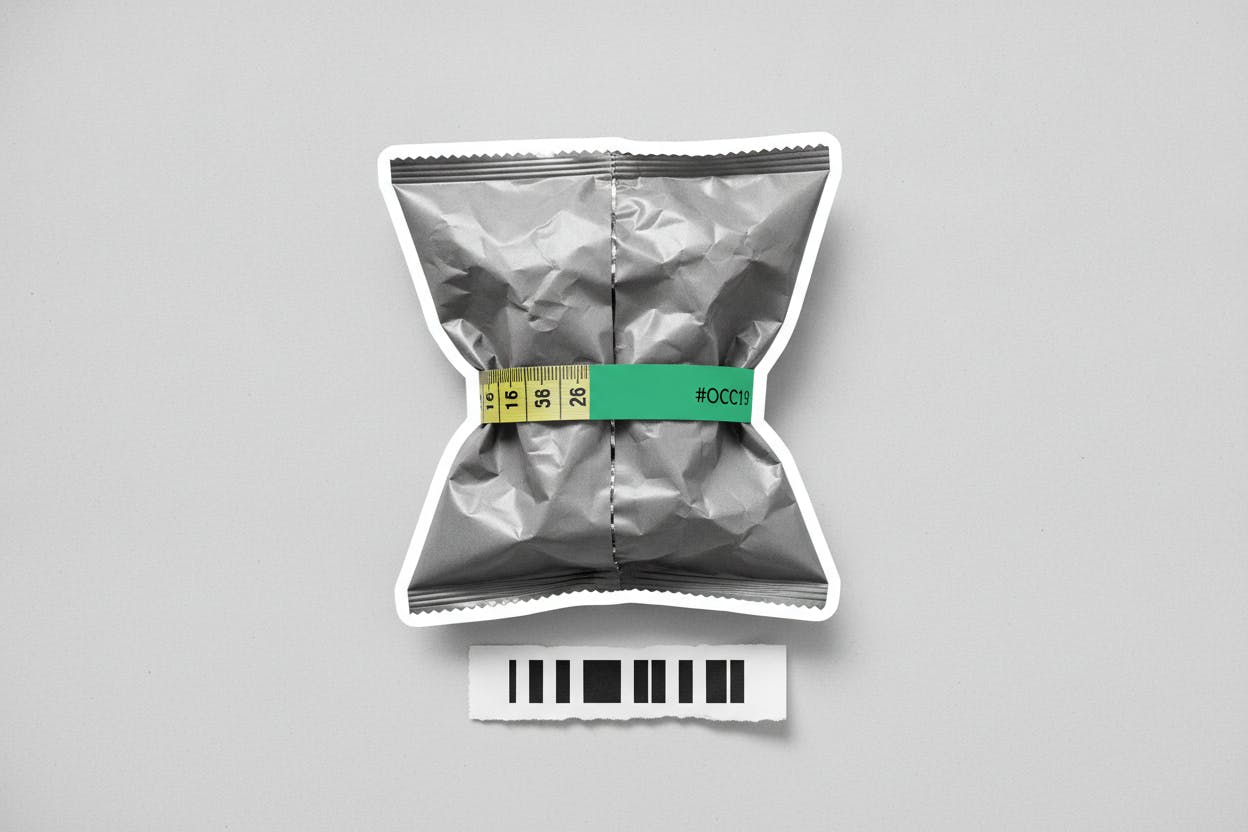
PepsiCo's tried-and-true playbook of cutting prices to boost snack sales is showing cracks. The company's second-quarter results, released for the period ending June 13, revealed that North America food volumes remained flat, even after the company slashed prices on popular brands like Lay's and Doritos by as much as 15%.
This marks a worrying sign for a company that relies heavily on its snack division. According to Reuters, food brands including Ruffles and PopCorners account for roughly 58% of PepsiCo's annual revenue. The flat volumes suggest that the usual price-driven incentives are losing their effectiveness in a changing consumer landscape.
Why Discounts Aren't Working
The core issue appears to be a shift in how Americans approach snacking. PwC's analysis of Numerator data, cited by Reuters, points to the growing use of GLP-1 weight-loss drugs—medications like Ozempic and Wegovy that suppress appetite—as a key factor. These drugs, originally developed for diabetes, have surged in popularity and are now reshaping food consumption patterns.
Beyond medication, consumers are also becoming more deliberate about what they eat. The post-pandemic era has seen a focus on health and wellness, with many people cutting back on impulse snacking. This trend is particularly challenging for PepsiCo, whose snack portfolio is built on convenience and indulgence.
The broader economic backdrop adds another layer. While US inflation cooled sharply in June, giving consumers some relief, higher prices for essentials like housing and energy have left many households more cautious with discretionary spending. Snacks, while affordable, are often the first category to feel the pinch when budgets tighten.
What This Means for Investors
For everyday investors, PepsiCo's flat snack volumes are a red flag that the company's traditional growth drivers may be losing steam. The company has long been considered a defensive stock—a reliable holding that performs well even in economic downturns because people keep buying chips and drinks. But if the snack habit itself is changing, that defensive moat could narrow.
Investors should watch for several key indicators in coming quarters. First, whether PepsiCo can find new ways to stimulate demand beyond price cuts. This could involve product innovation, such as healthier snack options or smaller portion sizes that align with GLP-1 users' reduced appetites. Second, the company's ability to manage costs will be crucial, as discounting pressures margins.
The results also highlight a broader theme in consumer goods: companies that rely on volume growth may need to adapt to a world where consumers are more selective. This isn't unique to PepsiCo—other snack and beverage makers face similar headwinds. For context, retailers like Five Below have also seen their pricing strategies tested as costs rise and consumer behavior shifts.
Looking Ahead
PepsiCo's next move will be closely watched. The company may need to accelerate its push into better-for-you snacks or expand its beverage business, which has shown more resilience. International markets also offer growth potential, but the North America snack business remains the profit engine.
For now, the message is clear: the old playbook of cutting prices to move more chips is no longer a sure thing. Investors should brace for a period of slower growth in PepsiCo's core snack segment, and watch for signs that the company can adapt to a world where consumers are eating less, and more thoughtfully.