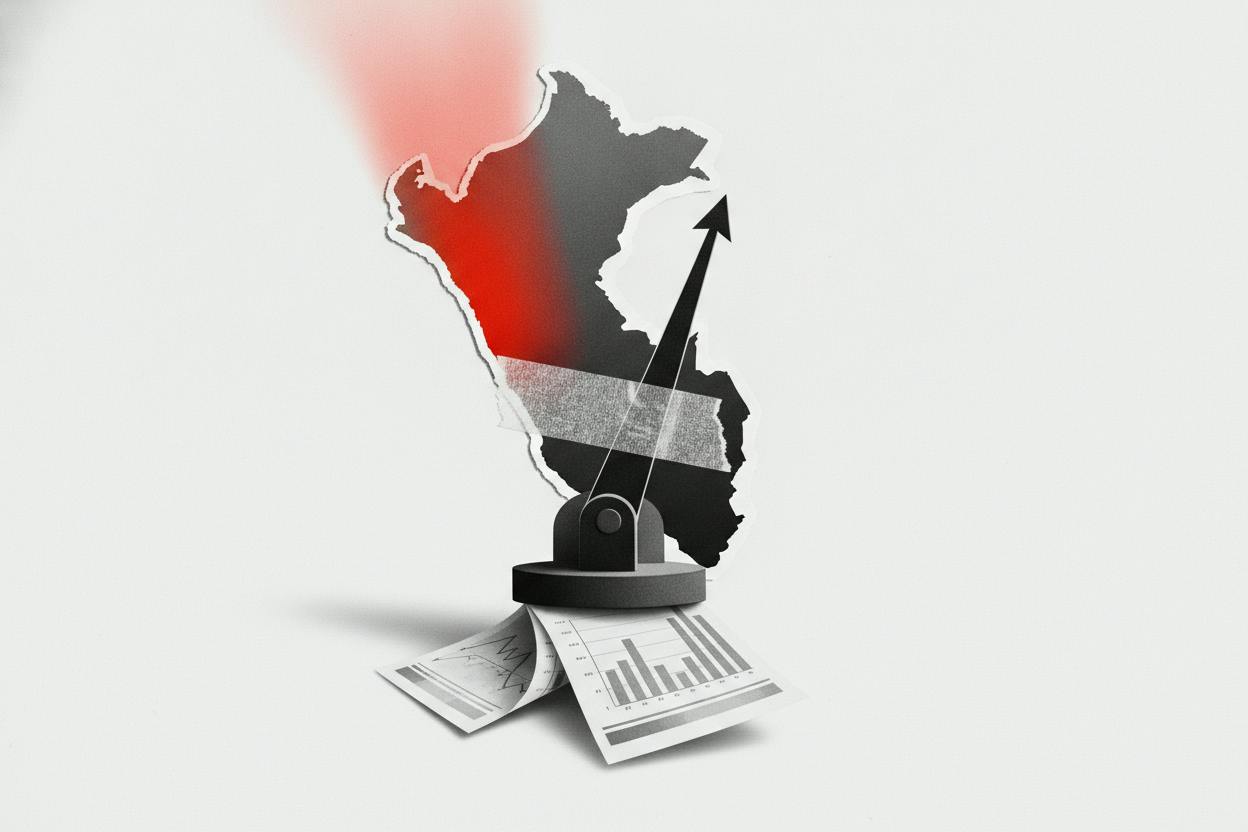
Peru's central bank kept its benchmark interest rate at 4.25% on Wednesday, a decision that caught many investors off guard. With annual inflation climbing to 4.5% in September and the lingering threat of El Niño, many had expected the bank to raise rates. Instead, policymakers chose to hold steady, signaling a cautious approach to an economy still finding its footing.
Why the hold despite rising inflation?
Inflation in Peru has been creeping upward, reaching 4.5% in September—above the central bank's target range of 1% to 3%. Typically, central banks respond to rising prices by increasing interest rates to cool demand. But Peru's central bank appears to be weighing other factors.
One major consideration is the potential impact of El Niño, a climate pattern that can disrupt agriculture and fishing, pushing food prices higher. While El Niño poses an upside risk to inflation, it also threatens economic growth. Raising rates too aggressively could stifle an economy that is still recovering from recent shocks.
The bank's decision mirrors a broader trend among some central banks in emerging markets, which are grappling with the dual challenge of managing inflation while supporting growth. In a similar vein, Poland held rates steady even as fuel-driven inflation topped its target, highlighting the delicate balance policymakers face.
What does this mean for investors?
For everyday investors, the central bank's decision has several implications. First, a steady rate means borrowing costs for businesses and consumers remain unchanged, which can support economic activity. However, if inflation continues to rise, the bank may be forced to hike rates later, which could dampen growth and affect corporate earnings.
Peru is a major producer of metals like copper and silver, so its economy is closely tied to commodity prices. The central bank's stance could influence the sol, Peru's currency, and in turn affect the returns on investments in Peruvian assets. A stable rate environment might be seen as supportive for the currency, but persistent inflation could erode its value over time.
Investors with exposure to emerging markets should note that Peru's decision comes amid a backdrop of diverging central bank policies across the globe. While some central banks, like the U.S. Federal Reserve, have signaled that rates may stay higher for longer, others are pausing or even cutting. This divergence can create opportunities but also adds complexity to global investing.
Inflation expectations and the global picture
Peru's inflation problem is not isolated. In the United States, consumer inflation expectations have risen, with one-year expectations climbing to 3.9% in September, according to the New York Fed. This has coincided with a drop in mortgage demand as 30-year rates hit 7.49%. These trends suggest that inflationary pressures remain a global concern, and central banks are watching closely.
In emerging markets, inflation is often driven by food and energy costs, which are more volatile than in developed economies. For instance, Indian households expect 10% inflation as food and fuel costs bite, illustrating the severity of price pressures in some regions.
What to watch next
Investors will be watching Peru's central bank for signals about its next move. If inflation continues to accelerate, the bank may have no choice but to raise rates, even if it risks slowing growth. The evolution of El Niño will be a key factor, as severe weather could push food prices higher and complicate the bank's decisions.
For those with investments in Peruvian stocks or bonds, the central bank's commitment to price stability is a positive sign, but the path ahead is uncertain. As always, diversification and a long-term perspective remain essential for navigating such volatility.
In the meantime, the broader global environment remains challenging. With Fed minutes signaling rates may stay higher for longer, emerging market currencies and assets could face headwinds. Peru's decision to hold rates steady might offer some short-term relief, but the underlying inflationary pressures are unlikely to disappear quickly.
The bottom line
Peru's central bank has chosen patience over haste, holding rates steady despite rising inflation. For investors, this means a period of watchful waiting. The bank's next moves will depend on how inflation and El Niño evolve, and the decisions could have ripple effects across the region.
As always, it's important to remember that central bank decisions are just one piece of the investment puzzle. Staying informed and keeping a diversified portfolio can help you weather whatever comes next.