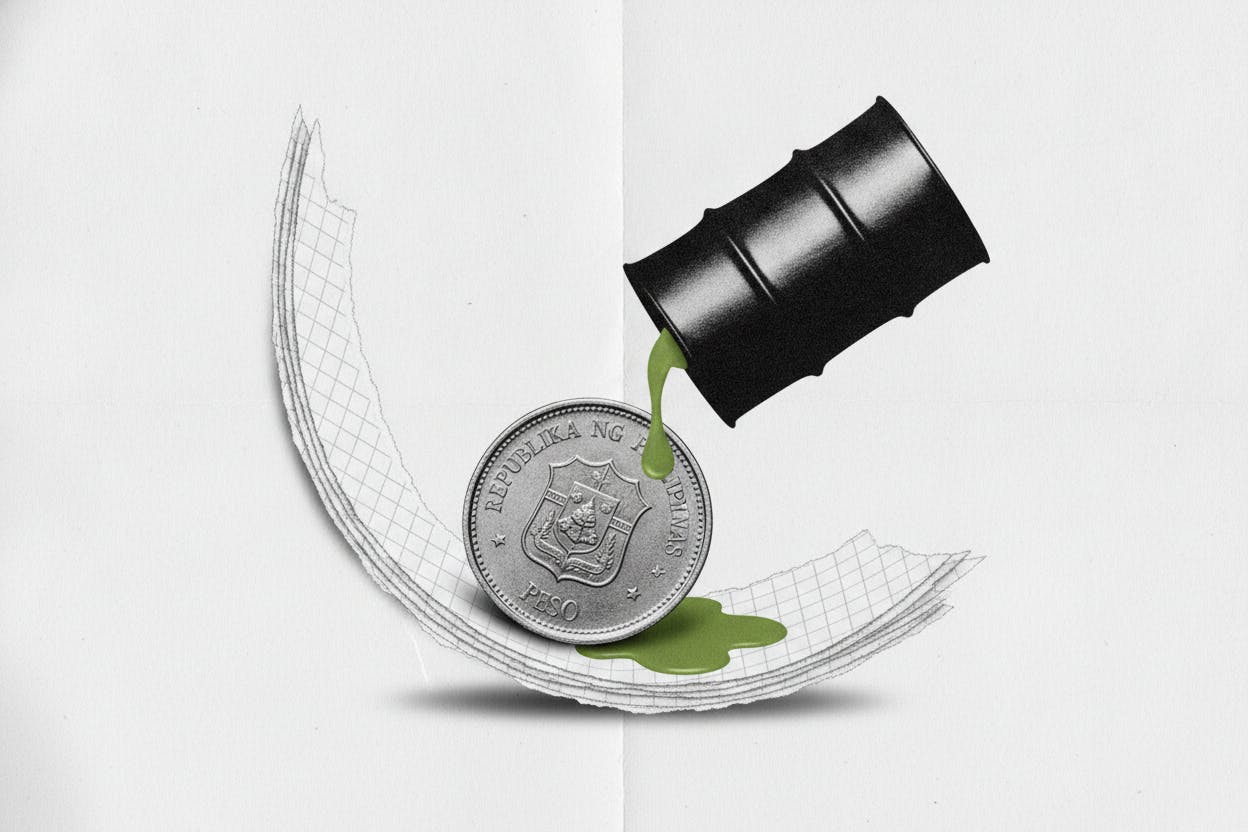
The Philippine peso tumbled to a record low on Tuesday, touching 62.652 per US dollar, as a combination of rising US Treasury yields and fresh US strikes on Iran pushed investors out of emerging Asian assets. The move snapped a 10-session run of gains for emerging-market currencies, underscoring how quickly sentiment can shift when global risk appetite turns.
Why the peso is under pressure
At the heart of the selloff is the jump in US Treasury yields. When yields on “risk-free” government bonds rise, investors can earn a higher return without taking on much risk. That makes assets in emerging markets—like the Philippine peso—look less attractive, so money tends to flow out of those currencies and back into dollars.
Japan’s government bond yields also hit new highs, adding to the global pressure. Higher yields in developed markets squeeze the relative return investors get for holding currencies like the peso, making it harder for emerging-market assets to compete.
Oil is the other big factor. The Philippines is a net importer of crude, so when oil prices climb above $95 a barrel, the country’s import bill swells. That means more dollars are needed to buy the same amount of oil, which directly weighs on the peso. The recent US strikes on Iran have stoked fears of supply disruptions, particularly around the Strait of Hormuz, a key shipping lane for global oil. Those worries have helped push crude higher, adding to the currency’s woes.
What this means for investors
For everyday investors, a weaker peso has a few knock-on effects. First, it makes imported goods more expensive, which can feed into inflation. That could prompt the Philippine central bank to keep interest rates higher for longer, affecting borrowing costs for households and businesses.
Second, a falling currency can hurt returns for foreign investors holding Philippine assets. If you own Philippine stocks or bonds, a weaker peso reduces the value of those investments when converted back to dollars. That’s part of the reason why emerging-market assets often sell off together when the dollar strengthens.
The broader picture is that this isn’t just a Philippine story. Across Asia, currencies and stock markets have been under pressure as Treasury yields climb and oil prices rise. Asian stocks slid as oil jumped to $95, and South Korea’s KOSPI fell sharply on the same worries. Indian stocks also declined as oil and bond yields rose.
What to watch next
Investors will be watching two things closely: the path of US Treasury yields and the trajectory of oil prices. If yields keep climbing, emerging-market currencies could face more pressure. If oil continues to rally, import-dependent countries like the Philippines will feel the strain.
Central banks in the region may step in to support their currencies, but that can be a costly move. For now, the peso’s record low is a reminder that global forces—like US monetary policy and geopolitical tensions—can have a direct impact on local currencies and, ultimately, on the value of your investments.
As always, it’s important to keep a long-term perspective. Currency moves can be volatile, but they tend to even out over time. For investors with exposure to emerging markets, diversification and a clear understanding of the risks are key.



