Plains All American Pipeline, a major U.S. midstream operator, is set to report second-quarter earnings on August 7, and one segment is expected to show a steep decline in profit. But the drop may be less alarming than it appears, according to analysts at UBS Securities.
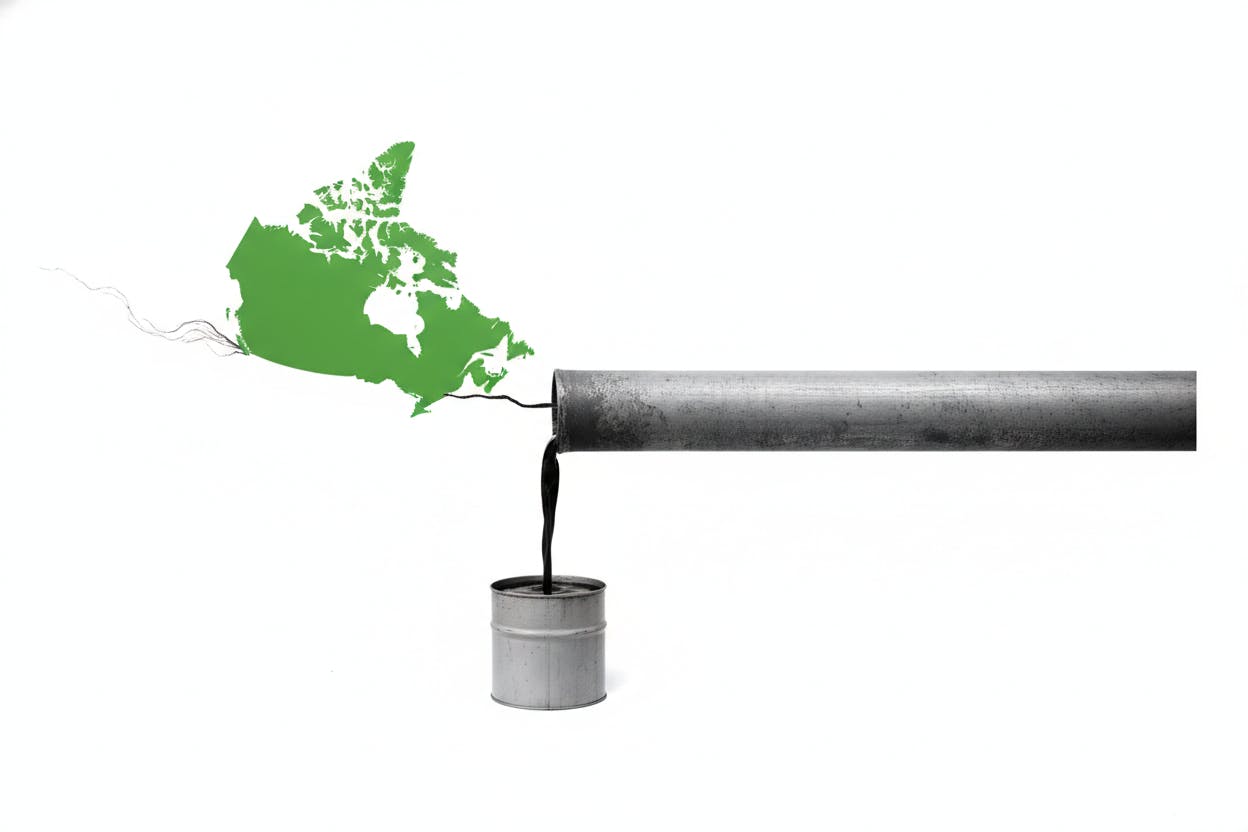
The investment bank forecasts that Plains' natural gas liquids (NGL) segment will generate roughly $40 million in profit for the quarter, down sharply from $148 million in the first quarter. The reason is largely structural: Plains sold its Canadian NGL business earlier this year, removing a significant source of earnings from that segment.
At the same time, UBS expects the company's crude oil segment to pick up the slack. The bank projects crude profit will rise to $675 million from $582 million in Q1, driven by steady volumes moving through Plains' fee-based pipeline network. Combined, UBS estimates total earnings before interest, taxes, depreciation, and amortization (EBITDA) will come in around $715 million, compared with $730 million in the prior quarter.
What the Canadian Exit Means for Plains
Plains All American Pipeline is what's known as a midstream company — it owns and operates pipelines, storage terminals, and other infrastructure that moves oil, natural gas, and natural gas liquids from production sites to refineries and export hubs. Unlike oil producers, midstream firms typically earn stable, fee-based revenue, making them less sensitive to swings in commodity prices.
The sale of Plains' Canadian NGL assets was part of a broader portfolio shift. By exiting Canada, the company streamlined its operations and focused on its core U.S. assets, particularly in the Permian Basin of West Texas and New Mexico. But the move also means that the NGL segment, which once included processing plants and fractionation facilities in Canada, now represents a smaller piece of the business.
UBS's estimate of $40 million in NGL profit for Q2 reflects that reduced footprint. The drop from $148 million is not a sign of operational trouble, but rather a one-time adjustment tied to the divestiture. Investors should view the NGL figure in the context of the broader portfolio, not as a standalone red flag.
Crude Segment Takes Center Stage
With the NGL segment shrinking, Plains' crude oil business is becoming even more important to the company's overall profitability. UBS expects crude segment profit to rise by about 16% quarter over quarter, to $675 million. That growth is tied to higher volumes moving through Plains' pipelines, which generate predictable fee income regardless of oil prices.
The key driver is production in the Permian Basin, the most prolific oil field in the United States. As drilling activity remains robust, Plains benefits from increased demand for its pipeline capacity. The company also has growth projects underway that could add further volume in the coming quarters.
However, there is a potential headwind on the horizon. New natural gas pipelines are expected to come online later this year, which could shift the competitive landscape. If those new pipes reduce the need for Plains' infrastructure, crude volumes could face pressure. UBS's estimate for Q2 does not yet account for that risk, but it is something investors will watch closely in the months ahead.
What It Means for Investors
For everyday investors, the key takeaway is that Plains' Q2 report may look messy on the surface, but the underlying story is about portfolio transformation, not a sudden profit collapse.
The NGL segment's profit drop from $148 million to $40 million could easily be misinterpreted as a sign of operational weakness. In reality, it reflects the sale of Canadian assets, which is a one-time event. The crude segment's growth is expected to offset most of that decline, keeping total EBITDA near Q1 levels.
UBS's estimate of $715 million in EBITDA is only slightly below the $730 million reported in the first quarter. That suggests the company's core earnings power remains intact, even as the mix of where those earnings come from shifts.
Investors should also note that NGL earnings are typically more sensitive to commodity prices and processing margins, while crude pipeline earnings are more stable and volume-driven. With the Canadian exit, Plains becomes more reliant on its crude business, which could make its earnings stream more predictable over time.
That said, the broader market backdrop matters. If Permian production slows or if new pipeline competition emerges, Plains' crude volumes could come under pressure. The company's growth projects and its ability to maintain high utilization rates will be key factors to watch.
For context, Plains' results come amid a busy earnings season for midstream companies. Investors can compare Plains' performance with other pipeline operators to gauge the health of the sector. The company's August 7 report will provide the next clue on whether the crude segment can continue to carry the load.
Disclaimer: This article is for informational purposes only and does not constitute investment advice. Always do your own research before making investment decisions.