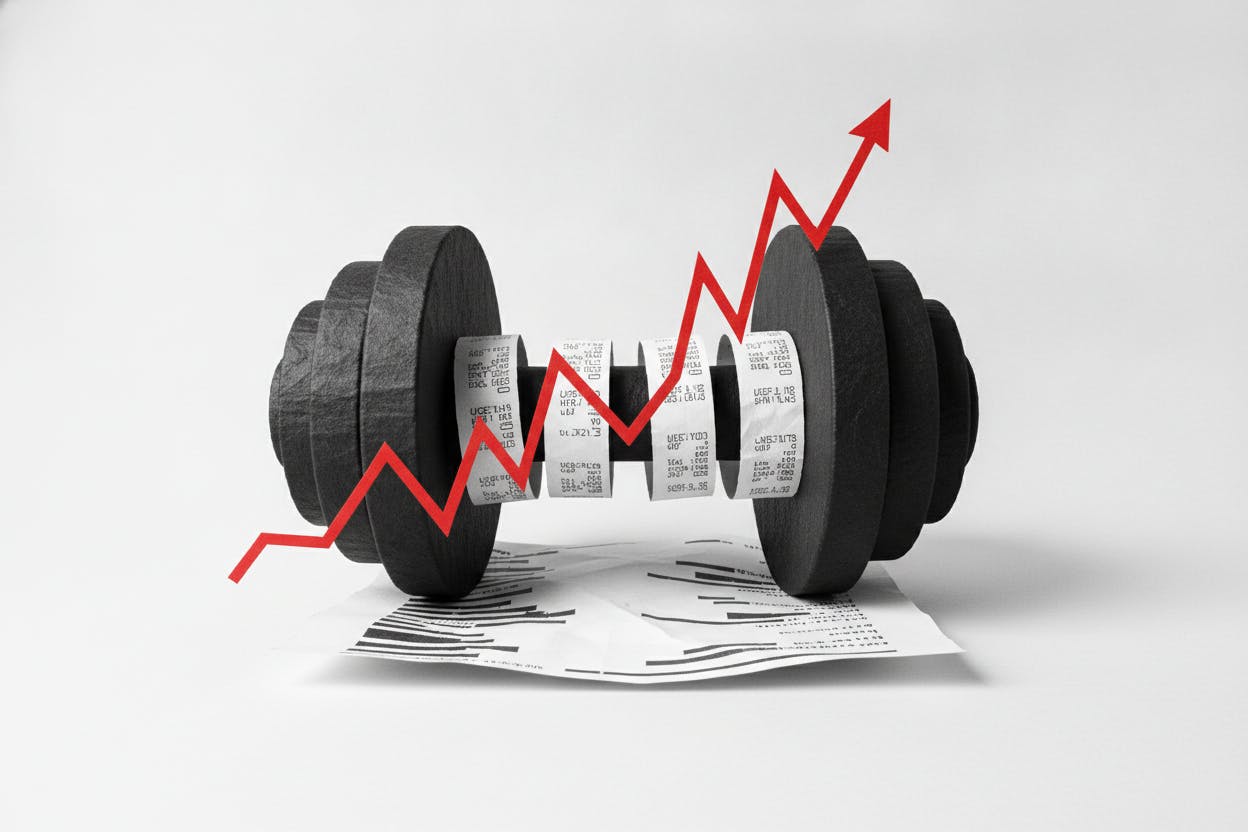
Planet Fitness, the US gym chain, trimmed its full-year profit outlook on Tuesday after higher interest costs ate into its bottom line, even though revenue growth remained on track. The company's adjusted earnings of $0.88 per share came in slightly ahead of Wall Street expectations, but the rising cost of borrowing overshadowed the beat.
Peloton, the connected-fitness company, also added to the cautious tone, saying that fiscal 2027 revenue could look softer because of a tough comparison with last year's one-time subscription price increase.
What happened at Planet Fitness?
Planet Fitness reported revenue of $365.2 million for the quarter, up 7.1% from a year earlier. That growth was in line with what analysts had expected. However, the company's profit outlook for the full year was dialed back, and the culprit was not weak demand but higher interest costs.
The company drew $75 million from a variable-rate funding note, which increased its debt load and exposed it to rising interest rates. As a result, Planet Fitness raised its 2026 interest-expense forecast to about $115 million, roughly $4 million higher than its previous guidance. That extra expense is expected to weigh on earnings for the rest of the year.
For everyday investors, this is a reminder that a company's bottom line can be affected by factors beyond its core business. Even if a gym chain is signing up new members and growing sales, the cost of financing its operations can eat into profits.
Peloton's softer outlook
Peloton, known for its stationary bikes and treadmills, also pointed to softer fiscal 2027 revenue. The company had raised subscription prices last year, which gave a temporary boost to revenue. But that one-time bump creates a difficult comparison for the next fiscal year, as the company won't have that same lift again.
This is a common pattern in business: a price increase can boost revenue in the short term, but it also sets a higher bar for future growth. Investors should watch how Peloton manages its subscription base and whether it can grow without relying on price hikes.
What it means for investors
For investors in Planet Fitness, the key takeaway is that the company's core business appears healthy, but its financial structure is adding pressure. Higher interest rates are a headwind for any company with variable-rate debt, and this is a good example of how monetary policy can ripple through the economy.
It's also worth noting that Planet Fitness's sales growth of 7.1% is solid for a mature gym chain. The company has a large, loyal membership base and a franchise model that has historically been resilient. However, the increased interest expense could limit earnings growth in the near term.
For Peloton, the softer outlook is a sign that the company is still working to stabilize after a post-pandemic slowdown. The subscription price increase helped revenue last year, but now the company needs to find other ways to grow.
Investors should keep an eye on how both companies manage their costs and debt. In a higher-for-longer interest rate environment, companies with significant borrowing needs may see their profits squeezed, even if their operations are performing well.
For broader context, other companies have also adjusted their outlooks recently. For example, EPAM trimmed its 2026 revenue outlook as tech clients pulled back, and Shift4 shares dropped after its 2026 profit outlook missed Wall Street targets. These moves highlight that many firms are facing headwinds from higher costs and tougher comparisons.
The bottom line
Planet Fitness's trimmed outlook is a cautionary tale about the impact of interest rates on corporate profits. While the company's sales are growing, the cost of its debt is rising, and that is eating into earnings. Peloton's warning about fiscal 2027 revenue is a reminder that one-time boosts can create tough comparisons down the road.
For everyday investors, the lesson is to look beyond the headline numbers and consider the full picture, including a company's debt levels and how it finances its operations. As interest rates remain elevated, companies with variable-rate debt may continue to feel the pinch.