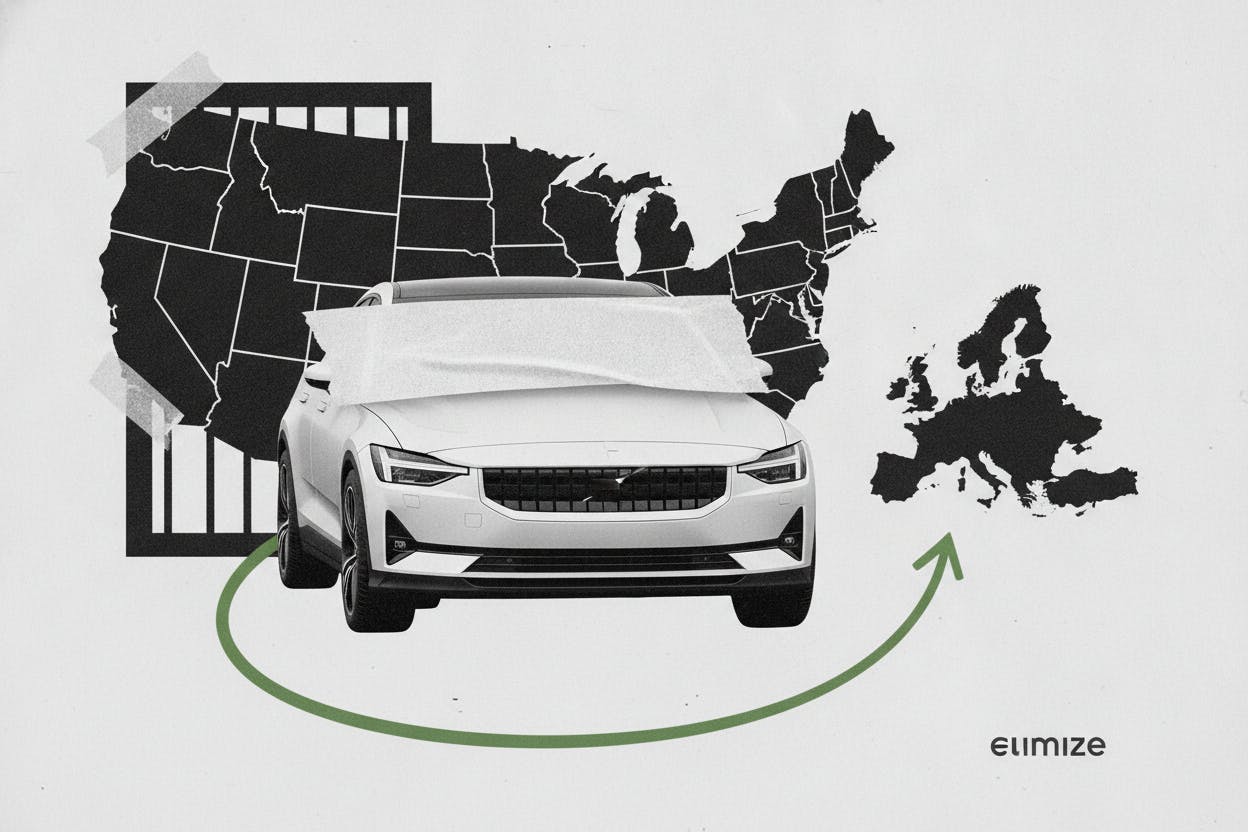
Electric vehicle maker Polestar says the US Commerce Department is blocking it from selling cars in the United States starting with model year 2027, even as its corporate sibling Volvo continues to sell under the same connected-vehicle security rule. The company is questioning why it is being singled out, a development that could significantly affect its American expansion plans.
What's happening
Polestar, the Swedish EV brand owned by China's Geely, has been selling cars in the US for several years, including models like the Polestar 2 and the Polestar 3 SUV. But according to the company, the Commerce Department has informed it that its vehicles will not be allowed to be sold in the US from model year 2027 onward, citing a rule designed to protect connected vehicles from national security risks.
The rule in question targets connected-vehicle technology—systems that link cars to the internet, including navigation, remote diagnostics, and over-the-air updates. The US government has been tightening restrictions on such technology, particularly when it involves components from certain foreign suppliers, citing concerns about data security and potential remote access by adversaries.
What makes Polestar's situation notable is that Volvo, which is also owned by Geely and shares much of the same underlying technology and supply chain, continues to sell its vehicles in the US under the same rule. Polestar argues that this inconsistency is unfair and is asking why it is being shut out while Volvo is not.
Why this matters for investors
For everyday investors, this is more than a regulatory spat. The US is a critical market for Polestar. The company has been working to increase its presence in North America, with plans to expand its model lineup and retail network. Losing access to the US market from 2027 would cut off a major source of future revenue and growth.
Polestar's stock, which trades on the Nasdaq under the ticker PSNY, has already been volatile as the company navigates a competitive EV market and works to improve its financial performance. A ban on US sales would likely force the company to rely more heavily on Europe and other regions, where EV demand has also been uneven.
The situation also highlights a broader risk for automakers with Chinese ties. The US government has been increasingly scrutinizing Chinese-made technology in vehicles, not just from Polestar but also from other brands that source components from China. This is part of a larger trend of trade and security tensions between Washington and Beijing, which has already affected tariffs on Chinese EVs and other goods.
What investors should watch
Investors should pay attention to how Polestar responds. The company may appeal the decision, seek a waiver, or adjust its supply chain to comply with the rule. Any of these moves could affect its costs and timelines.
It's also worth watching whether Volvo's continued sales under the same rule remain unchanged. If Volvo is allowed to keep selling while Polestar is blocked, it could suggest that the decision is specific to Polestar's particular technology or suppliers, rather than a blanket ban on Chinese-owned brands.
For those holding Polestar stock or considering an investment, the key question is whether the company can resolve this issue before 2027. If it cannot, the US market—which has been a bright spot for many EV makers—would be off the table, potentially slowing Polestar's path to profitability.
In the broader context, this story is a reminder that regulatory and geopolitical risks can hit individual companies hard, even when the overall market seems stable. As recent market moves show, investor sentiment can shift quickly on news like this.
Polestar's situation also echoes other companies facing similar headwinds. For instance, JD Sports recently cut its profit outlook as North American sales slid, illustrating how regional market access can be a make-or-break factor for global brands.
Ultimately, the coming months will be crucial. Polestar has said it is seeking clarity from US officials, and investors will be watching for any updates on its appeal or negotiations. Until then, the uncertainty alone could weigh on the stock.
The bottom line
Polestar's claim that it is being unfairly blocked from the US market raises serious questions about its future in one of the world's largest auto markets. While the company has time to find a solution, the clock is ticking. For investors, this is a reminder to consider not just a company's products and financials, but also the regulatory environment it operates in.
As always, it's wise to stay informed and consider how such developments might affect your portfolio. But remember, this is not a recommendation to buy or sell any stock—just an explanation of what's happening and why it matters.