Porsche has reaffirmed its 2026 revenue target of €35-36 billion, a rare show of steadiness for a European automaker in a turbulent market. But the luxury carmaker also cautioned that 2027 could be the more difficult year, as it navigates a weak China market and a gap in its popular Macan SUV lineup.
The company's guidance, delivered alongside its latest update, suggests that management expects a stronger-than-expected fourth quarter in 2026. That's the read from RBC Capital Markets, which noted that the revenue range implies a pickup in deliveries and pricing in the final months of the year.
Why 2027 looks messier
Porsche's caution about 2027 isn't new. The company first flagged these headwinds at its October analyst day, and it repeated them this time. Two issues stand out.
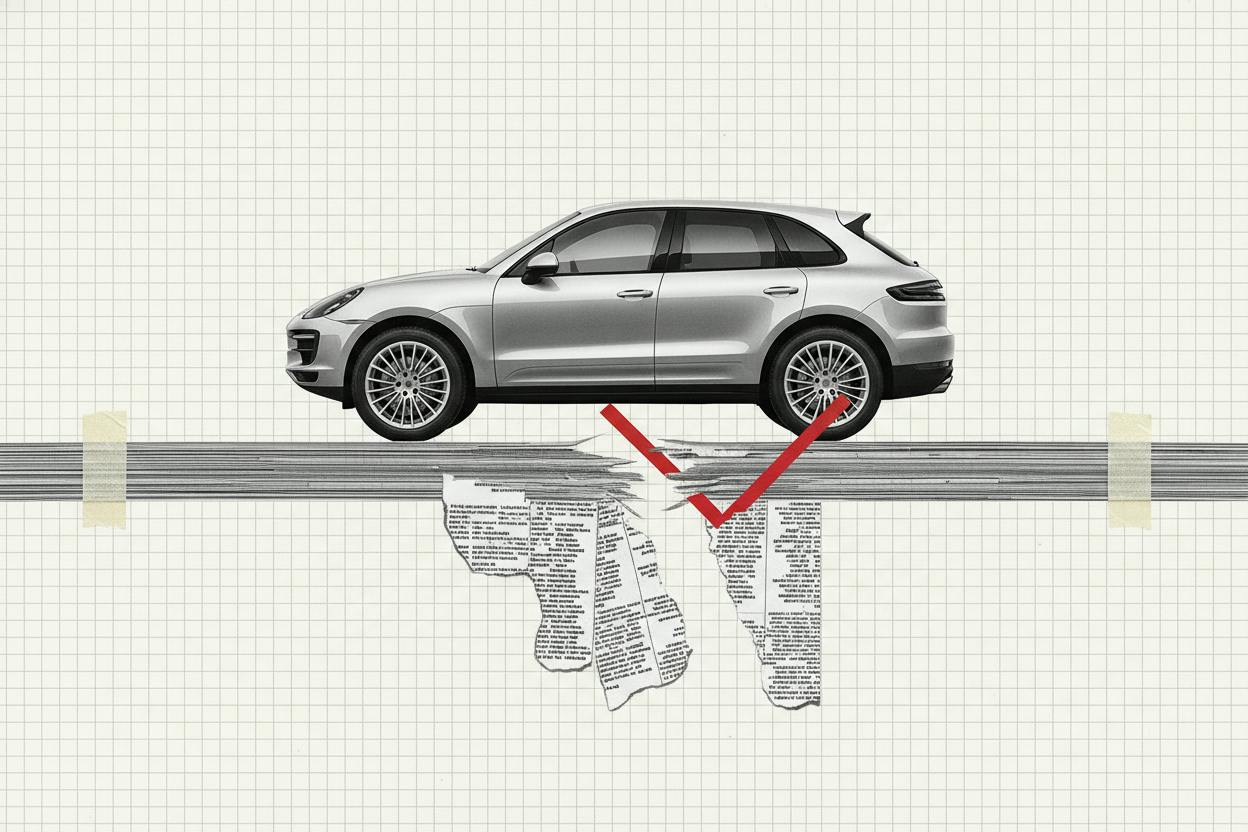
First, the gasoline-engine version of the Macan, a key model for Porsche, won't be sold again until its expected return in 2028. That leaves a hole in the lineup for most of 2027, just as the all-electric Macan tries to carry the segment.
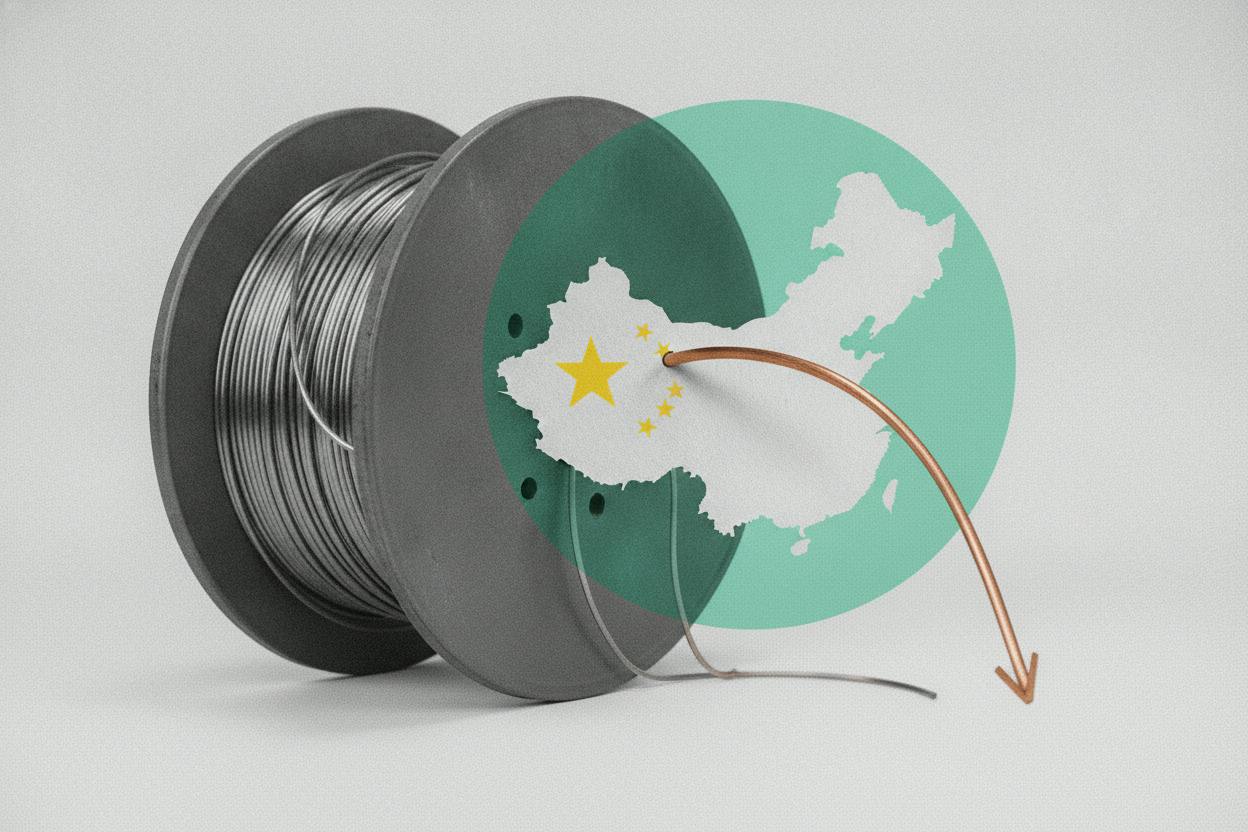
Second, Porsche is planning for China to account for less than 10% of its deliveries over the longer term. That's a significant shift for a brand that once relied heavily on Chinese demand for its SUVs and sports cars. The company's strategy now assumes a smaller, but presumably more stable, presence in the world's largest auto market.
Why does China matter so much? Because cars shipped to China are exported from Porsche's European plants. If China demand weakens, Porsche can redirect those vehicles to other markets, but that flexibility has limits. A prolonged slump in China would pressure volumes and margins.
What this means for investors
For everyday investors, the key takeaway is that Porsche is trying to manage expectations. By sticking with its 2026 target, it's signaling confidence in the near term. But the 2027 warning is a reminder that the road ahead is bumpy.
European automakers are facing a perfect storm: slowing demand, high development costs for electric vehicles, and intensifying competition from Chinese rivals. Porsche's ability to hold its pricing power and brand appeal will be tested.
RBC's view that the 2026 guidance implies a stronger fourth quarter could offer some short-term support for the stock. But investors should weigh that against the longer-term challenges the company has outlined.
It's also worth noting that Porsche's situation isn't isolated. Other European companies are dealing with similar pressures. For example, Vallourec's profit drop shows how external shocks can hit earnings, while Saipem's 2027 outlook includes war costs and a delayed merger. These stories highlight a broader theme: 2027 is shaping up to be a year of reckoning for many companies.
The bigger picture
Porsche's guidance also fits into a wider narrative about the global economy. With central banks like the Bank of Japan weighing rate hikes and mixed factory data muddying the US outlook, the macroeconomic environment is uncertain. Luxury goods, including high-end cars, are often sensitive to economic cycles. If consumers feel less wealthy, they may postpone big-ticket purchases.
For Porsche, the challenge is to navigate these headwinds while maintaining its premium positioning. The company's brand remains strong, and its electric vehicle push is underway. But the next couple of years will require careful execution.
Investors should watch for updates on Macan sales, China demand, and any changes to the 2027 outlook. The company's ability to hit its 2026 target will be a test of its operational discipline.
In the meantime, the message from Porsche is clear: 2026 is on track, but 2027 will require patience.