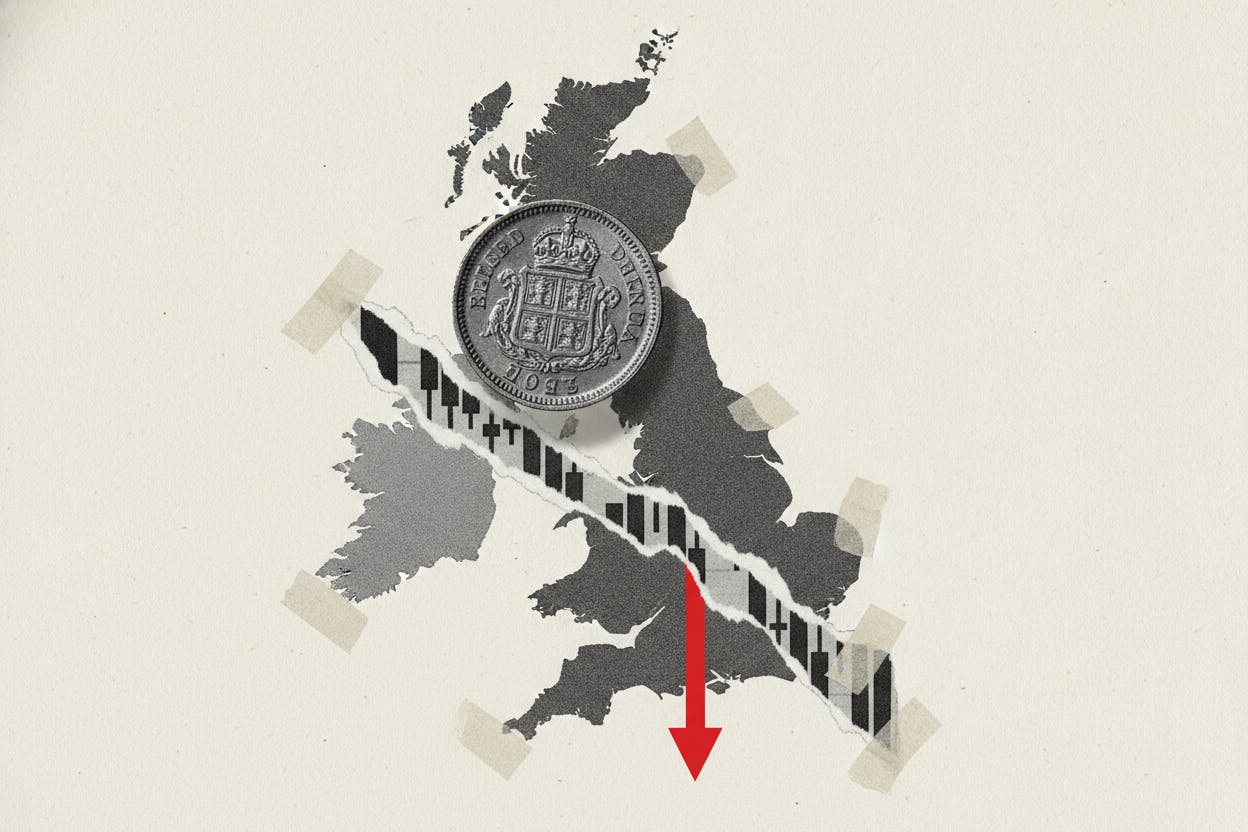
The British pound is sliding, losing 2.2% against the US dollar in June and approaching its weakest level since November. The currency's decline reflects a double dose of uncertainty: political turmoil in Westminster and a sharp shift in expectations for Bank of England interest rate hikes.
By Thursday, sterling was trading around $1.3161, down from levels above $1.34 earlier in the month. The move comes as investors grapple with two big questions: who will set the UK's economic policy next, and how high will UK interest rates go?
Political Churn Adds to Uncertainty
Prime Minister Keir Starmer resigned this week, according to Reuters, putting the UK on track for yet another leadership change. The resignation raises fresh questions about who will become the next chancellor and what fiscal plans the new government will pursue. For currency markets, political instability often translates into a weaker pound, as investors demand a higher risk premium to hold UK assets when the policy outlook is unclear.
This political uncertainty comes at a time when the UK has already seen a revolving door of prime ministers and chancellors in recent years. Each change brings the potential for shifts in tax and spending plans, which can unsettle bond investors and, by extension, the currency. Until the new Treasury team can reassure gilt investors, the pound may remain under pressure.
Rate Hike Expectations Cool
At the same time, the interest-rate story has softened. Lower oil prices over the past couple of weeks have eased worries about an energy-driven inflation flare-up, which in turn makes additional rate increases feel less urgent. That shift is showing up in markets: traders now price in just one Bank of England rate rise this year, down from two a couple of weeks ago.
Currencies often respond to two forces: interest-rate expectations and a country-specific risk premium. When markets cut the number of Bank of England hikes they expect, UK yields look less attractive compared to US ones, which can weigh on the pound even if UK economic data hasn't changed much. The cooling of rate hike expectations removes a key support for sterling that had been in place earlier this year.
The broader backdrop also includes a relatively strong US dollar, which has been edging higher as traders brace for a data deluge and Federal Reserve remarks. That dynamic adds to the headwinds for sterling.
What It Means for Investors
For everyday investors, the pound's slide has several implications. First, anyone holding UK assets or receiving income in pounds may see the value of those holdings shrink when measured in dollars or other currencies. Second, a weaker pound can boost the earnings of UK companies that generate revenue overseas, as those foreign earnings are worth more when converted back into sterling. However, it also makes imports more expensive, which can feed into inflation.
The key question now is whether the pound will stabilize or fall further. That depends on two factors: how quickly the new government can clarify its fiscal plans, and whether inflation data or oil prices shift the rate hike outlook again. If oil prices remain subdued and political uncertainty persists, sterling could stay under pressure. Conversely, a swift and credible fiscal plan from the new chancellor could help restore confidence and support the currency.
For now, the pound is missing the second BoE hike that traders expected just weeks ago. That gap between expectation and reality is a major reason for the currency's weakness. Investors will be watching closely for any signals from the Bank of England or the new government that could shift the calculus.
In the broader market context, the pound's decline is part of a larger story of currency volatility driven by shifting rate expectations and political risk. Similar dynamics have played out in other currencies, such as the Hungarian forint, where the central bank recently cut rates to 6% amid easing inflation pressures. But for the UK, the combination of political churn and cooling rate bets creates a particularly challenging environment for sterling.