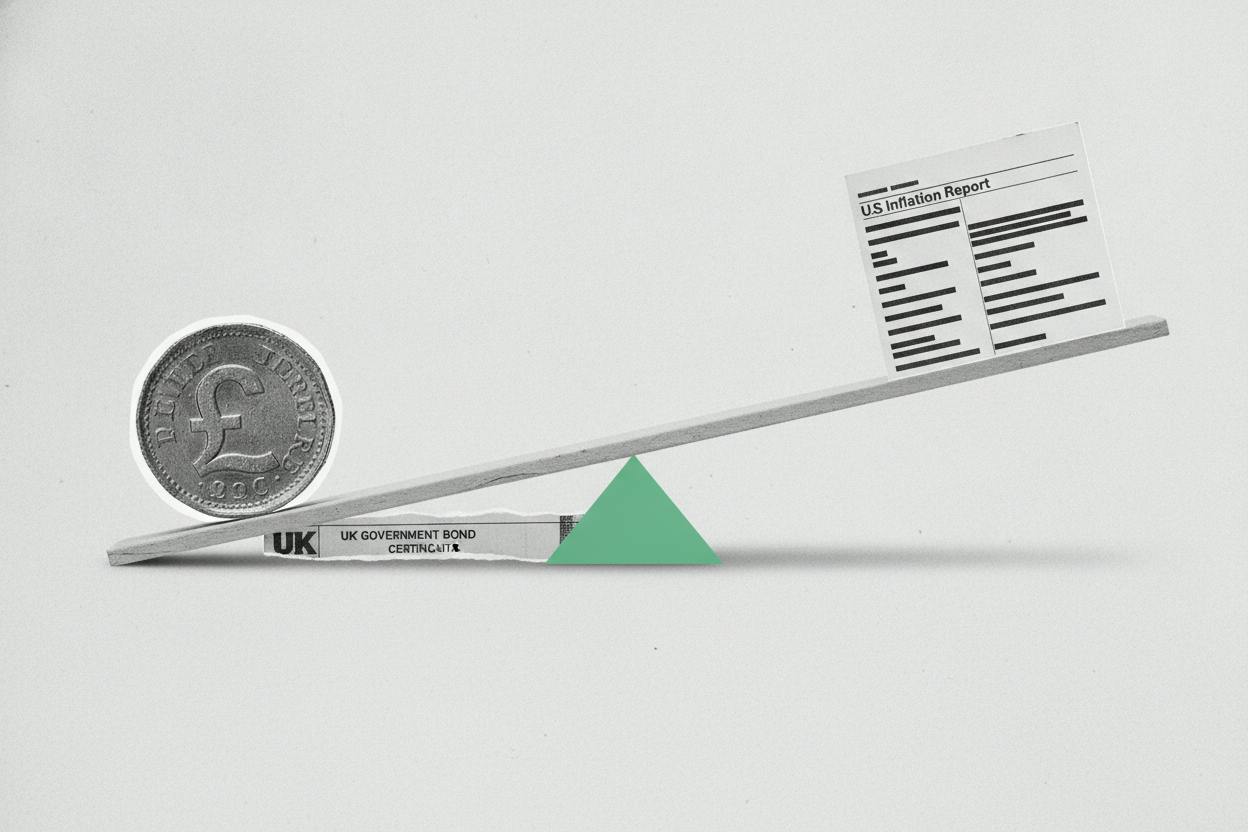
The British pound strengthened to a one-week high against the US dollar on Tuesday, trading near $1.3268, as currency markets turned their attention to the next US inflation report. Investors are also keeping an eye on the UK's upcoming budget, scheduled for October 28, which could influence the pound's trajectory in the weeks ahead.
Why the pound is moving
Sterling's rise comes as traders position themselves ahead of the release of US consumer price index (CPI) data, a key measure of inflation. The data is closely watched because it can influence the Federal Reserve's next move on interest rates. If inflation comes in hotter than expected, the Fed may be more inclined to keep rates higher for longer, which typically supports the dollar. Conversely, cooler inflation could raise hopes for rate cuts, weakening the dollar and boosting currencies like the pound.
Currently, markets are weighing the odds of a Fed rate hike versus a pause. The dollar has been under pressure recently as traders anticipate that the Fed may be nearing the end of its tightening cycle. This has provided some relief for other major currencies, including sterling.
At the same time, the UK's own economic calendar is busy. The government is set to present its budget on October 28, which will outline fiscal policy for the coming year. Traders are watching for any signals on tax changes, spending plans, and how the government intends to manage public finances. A budget that is seen as fiscally responsible could support the pound, while one that raises concerns about debt or inflation could weigh on it.
What the US inflation data could mean
The upcoming US CPI report is one of the most important data points for global markets this week. Inflation has been cooling from the multi-decade highs seen in 2022, but it remains above the Fed's 2% target. The central bank has kept interest rates at elevated levels to bring price growth under control, and any surprises in the inflation data could shift expectations for future rate decisions.
For everyday investors, the connection between inflation data and currency movements might seem indirect, but it has real implications. A stronger pound can affect the cost of imported goods, the returns on overseas investments, and the competitiveness of UK exports. It also influences the value of your money when traveling abroad or buying products priced in dollars.
If US inflation comes in lower than expected, the dollar could weaken further, potentially pushing the pound even higher. On the other hand, a higher-than-expected reading could reverse the pound's recent gains.
What it means for investors
For investors holding assets in pounds or dollars, currency fluctuations can have a noticeable impact on returns. A rising pound can boost the value of UK-based investments when converted back to dollars, but it can also make UK exports more expensive, which might affect companies that rely heavily on overseas sales.
Currency markets are also a barometer for broader investor sentiment. The pound's strength suggests that traders are feeling more optimistic about the UK economy, or at least less pessimistic than they were earlier this year. However, the upcoming budget is a wildcard that could quickly change the mood.
Investors should also keep an eye on the Federal Reserve's policy path. The central bank has signaled that it will be data-dependent, meaning each inflation report and jobs number will be scrutinized for clues. This can lead to volatility in currency markets, which can spill over into stocks and bonds.
For those with international exposure, it's worth remembering that currency moves are just one piece of the puzzle. Diversification across currencies and asset classes can help manage the risks associated with exchange rate fluctuations.
Looking ahead
The next few days are likely to be eventful for currency markets. The US CPI release will be the main catalyst, but traders will also be listening to comments from Fed officials for any hints about their thinking. Meanwhile, the UK budget on October 28 will be a key event for sterling, with investors assessing its implications for growth and inflation.
As always, it's important to focus on the long-term picture rather than getting caught up in short-term currency swings. For most investors, the impact of daily exchange rate movements is minimal compared to the overall performance of their portfolios.
For more on how inflation data is affecting currencies, see our coverage of the dollar's recent moves and the gold market's reaction to the same data.