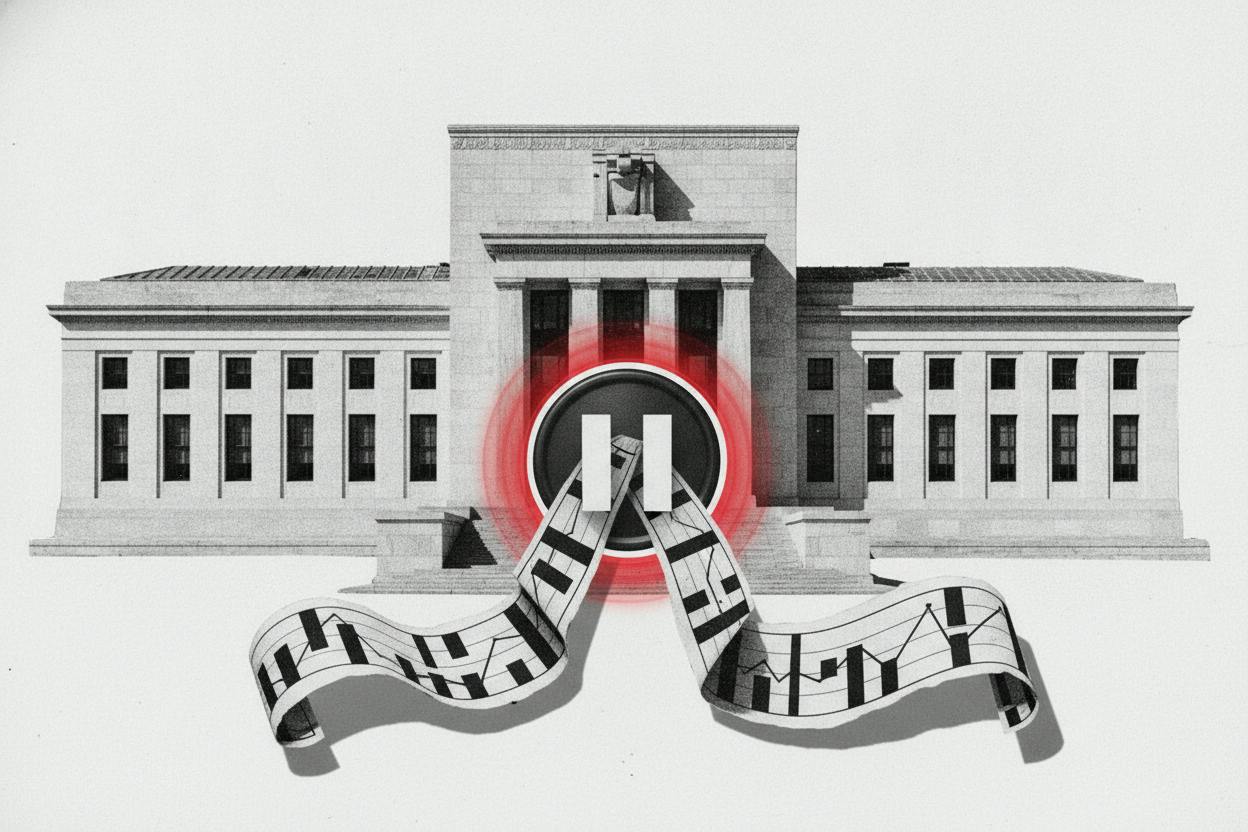
Federal Reserve Governor Michelle Bowman said on Tuesday that after September's move to a 3.75%-4.00% policy-rate range, the central bank can afford to “wait and see” before deciding on any further interest rate hikes. Speaking at the IMF-World Bank meetings in Bangkok, Bowman said she feels “no urgency” to tighten monetary policy further and wants time to observe how the economy and financial markets respond to the last quarter-point increase.
Bowman's comments add to a growing debate among Fed officials about whether the current level of rates is high enough to bring inflation back to the central bank's 2% target. While some policymakers argue that more tightening is needed, others, like Bowman, are signaling a willingness to pause and assess the impact of past hikes.
A Split Among Fed Officials
Bowman's stance is notably softer than that of Susan Collins, president of the Boston Fed, who said she still expects at least one more rate hike before the end of the year if inflation doesn't cool sufficiently. The divergence highlights the uncertainty within the Federal Open Market Committee (FOMC) about the path ahead.
Together, the comments underscore the central question facing the Fed: is policy already restrictive enough to finish the job on inflation, or do rates need to go higher? The answer will depend on incoming economic data, particularly inflation reports and employment figures.
Bowman also used her appearance to discuss bank oversight, including how supervisors should think about lending tied to data centers and artificial intelligence. She repeated her call for changes to Fed supervision following the internal review of Silicon Valley Bank's 2023 failure, a topic that remains a priority for the central bank.
What It Means for Markets
For investors, Bowman's “no urgency” comment keeps the next Fed step uncertain. When Fed officials sound less aligned on where rates go next, markets stop treating upcoming meetings as a foregone conclusion. Traders express those shifting odds in fed funds futures, contracts that reflect expectations for the policy rate.
The result is that each inflation or jobs report can move pricing more than usual, because investors are constantly recalibrating the chance of a “hold” versus a “hike.” That sensitivity typically shows up first in short-term interest rates and short-dated rate volatility, and it can spill over into rate-sensitive assets that tend to reprice quickly around big US data releases.
For everyday investors, this means that market swings could become more pronounced in the coming weeks. Bond yields, particularly on shorter-dated Treasuries, may fluctuate as traders adjust their expectations. Stocks, especially those in rate-sensitive sectors like technology and real estate, could also see increased volatility.
Broader Context
The Fed's September move to a 3.75%-4.00% range was part of a series of aggressive hikes aimed at curbing inflation, which has been running at multi-decade highs. While recent data has shown some signs of cooling, inflation remains well above the Fed's target.
Bowman's comments come at a time when other central banks around the world are also grappling with similar decisions. For instance, the Bank of England's chief economist has cast doubt on market bets for four rate hikes, and India's wholesale inflation has hit a new high in its series, prompting expectations of more RBI hikes. These global dynamics add to the complexity of the Fed's decision-making.
In the US, the upcoming inflation report is expected to show an acceleration in September, driven by rising gas and food prices. That data could influence the Fed's next move, and markets will be watching closely.
What to Watch Next
Investors should keep an eye on the next FOMC meeting, scheduled for early November. While Bowman's comments suggest a possible pause, the final decision will depend on the latest economic data. Key indicators to watch include the Consumer Price Index (CPI), the Personal Consumption Expenditures (PCE) price index, and monthly jobs reports.
If inflation shows signs of easing, the Fed may hold rates steady. If it remains stubbornly high, another hike could be on the table. Either way, the uncertainty itself is a factor that markets will have to price in.
For now, Bowman's message is clear: the Fed can afford to be patient. Whether that patience translates into a prolonged pause or just a temporary breather remains to be seen.