PowerX, a Japanese maker of battery energy storage systems (BESS), moved to calm investors this week after its shares fell nearly 4% on news that the start of its key factory in Tomakomai would be delayed. In a filing with the Tokyo Stock Exchange, the company said its shipment plan for the current fiscal year remains unchanged, pointing to production progress of 99.2% as of Wednesday.
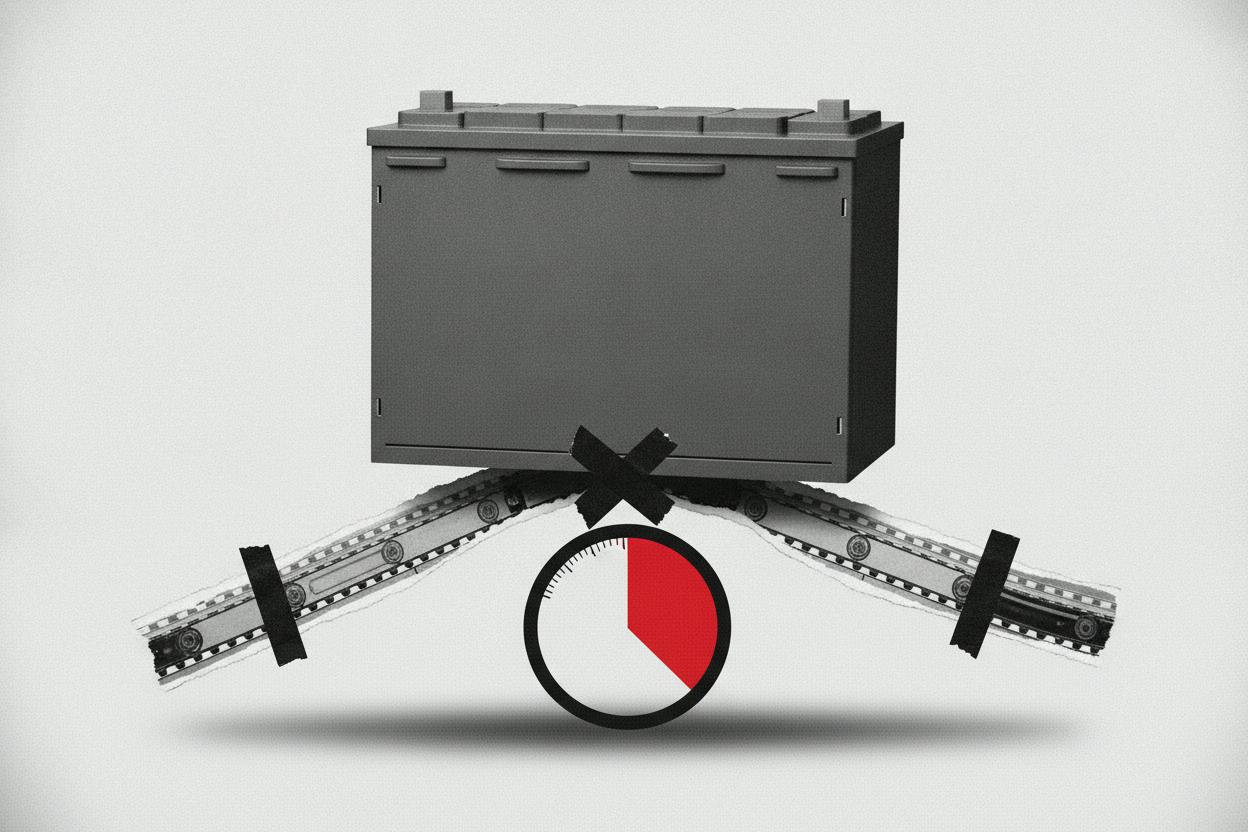
The clarification came after Nikkei, a Japanese business newspaper, reported production bottlenecks and delays at the Tomakomai facility. PowerX acknowledged the factory's start has been pushed back to July 2028, but insisted that the delay does not affect this year's delivery schedule.
What is PowerX and why does it matter?
PowerX designs and manufactures battery energy storage systems, which are large-scale batteries that store electricity for later use. These systems are increasingly important as utilities and businesses integrate more renewable energy, such as solar and wind, which generate power intermittently. BESS helps smooth out supply and demand, making grids more reliable.
The company is part of a broader push in Japan and globally to expand energy storage capacity. Governments and corporations are investing heavily in batteries to support the transition away from fossil fuels. For investors, PowerX represents a play on this trend, though the sector is competitive and capital-intensive.
What the delay means
The Tomakomai factory, located in Hokkaido, was expected to be a major production hub for PowerX. Pushing its start to 2028 suggests the company is facing challenges in scaling up manufacturing, a common hurdle for battery makers. However, PowerX says it is using a "bridge" of capacity to meet current demand: running two shifts at its existing Okaya plant.
This approach allows the company to maintain output while the larger facility comes online. The 99.2% production progress figure indicates that the company has nearly completed its planned output for the year, which supports its claim that shipments remain on track.
Investors should note that production progress is not the same as shipments. The company still needs to deliver the units to customers, and any logistics or quality issues could affect final numbers. But the filing suggests that, at least for now, the delay at Tomakomai is not expected to hit this year's results.
What it means for investors
For everyday investors, the key takeaway is that PowerX is trying to reassure the market that its near-term business is healthy, even if its long-term expansion plans have slipped. The share price drop reflects investor nervousness about delays, which can signal operational problems or rising costs.
Battery storage is a growth area, but it is also a sector where execution matters. Companies that miss deadlines or face production issues can see their valuations punished. PowerX's response is an attempt to draw a line between the factory delay and its current financial performance.
Investors should watch whether the company meets its shipment targets in the coming months and whether the Tomakomai delay leads to higher costs or lost contracts. The broader context is also important: the global battery storage market is expanding, with players like CATL seeing revenue surge even as margins face pressure. Similarly, Adani Green's profit rise highlights the growing role of storage in renewable projects.
For now, PowerX's statement appears to have calmed immediate concerns, but the longer-term question remains: can it scale up production efficiently? The answer will determine whether the company can compete in a market that is becoming increasingly crowded.
As with any growth stock, investors should weigh the potential upside against the risks. Battery storage is essential for the energy transition, but not every company in the space will succeed. PowerX's ability to deliver on its promises will be crucial.
In the meantime, the company's use of two-shift production at its existing plant shows a pragmatic approach to bridging the gap. Whether that is enough to satisfy investors remains to be seen, but the immediate shipment plan appears intact.