Viva Energy, the Australian fuel refiner and convenience retailer, said its Geelong refinery delivered a strong quarter ended September 30, even after an April fire disrupted operations and forced planned maintenance. In an Australian Securities Exchange filing, the company reported a realized refining margin of $21.40 a barrel, a figure that held up despite AU$18.5 million in hedging losses.
The result underscores how favorable regional refining conditions helped offset the impact of the incident. But the company also pointed to parts of its business that are less tied to the daily swings of refining: total fuel sales were essentially flat, up just 0.1% to 4.21 billion liters, while convenience and mobility volumes rose 1.1%. That helped lift convenience sales by 3.8% year-on-year to AU$407 million.
What's behind the numbers
Refining margins are a key measure of profitability for companies that turn crude oil into products like petrol, diesel, and jet fuel. A realized margin of $21.40 a barrel means Viva earned that amount for every barrel it processed, after accounting for the cost of crude and other inputs. That's a healthy level, but it's also cyclical: margins can jump when supply is tight or when competitors face outages, and they can shrink just as quickly when conditions ease.
The April fire at the Geelong refinery, in Victoria, forced the company to shut down some units for repairs and maintenance. Despite that, the refinery still managed to produce strong margins, thanks to what Viva described as robust regional refining conditions. The hedging losses, meanwhile, are a reminder that financial instruments meant to protect against price swings don't always work in the company's favor.
Investors, however, seemed cautious. The stock was down about 3% in recent Thursday trade, suggesting the market wasn't ready to fully price in a cleaner story yet.
The bigger picture: moving away from refining swings
Beyond the headline margin, Viva highlighted a strategic shift that could matter more for long-term earnings quality. The company said its Western Australia distribution center began deliveries in October, completing a supply-chain transition that allows it to exit the Coles Product Supply Agreement by the end of November.
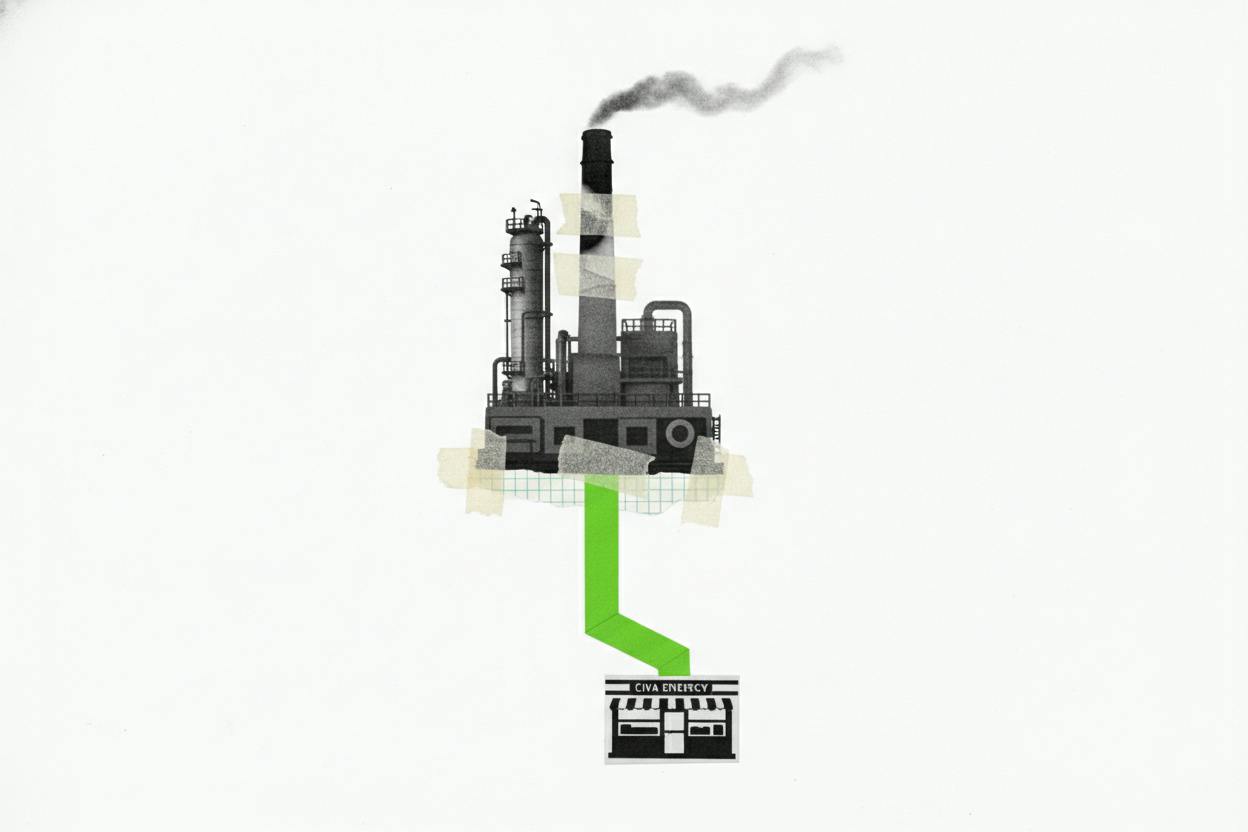
That exit is significant. By bringing distribution and procurement in-house, Viva gains more control over logistics costs, inventory management, and how it runs its convenience stores. The idea is to shift a larger share of profits toward steadier, retail-driven revenue rather than relying on volatile refinery conditions.
Convenience and mobility sales, which rose 3.8% to AU$407 million, are a growing part of that mix. These are the kinds of cash flows that investors often value more highly because they're less exposed to the boom-and-bust cycles of commodity markets. If Viva can execute on this transition, a bigger portion of its earnings could come from predictable sources, which might support a higher valuation multiple over time.
What it means for investors
For everyday investors, the key takeaway is that Viva's quarter looks strong on the surface, but the real story is about the mix of earnings. A high refining margin can flatter results, but it's not guaranteed to last. Hedging losses, like the AU$18.5 million this quarter, can also dent profits in ways that are hard to predict.
The move away from the Coles supply deal is a deliberate attempt to make earnings more stable. If the company can successfully manage its own supply chain and grow its convenience business, it may become less dependent on the ups and downs of global refining markets. That could make Viva a more attractive investment for those who prefer steadier returns.
Still, the stock's recent dip suggests the market is waiting to see proof that the transition will deliver. As with any company in a cyclical industry, investors should watch how refining margins evolve and whether the convenience side can keep growing. The next few quarters will be telling.