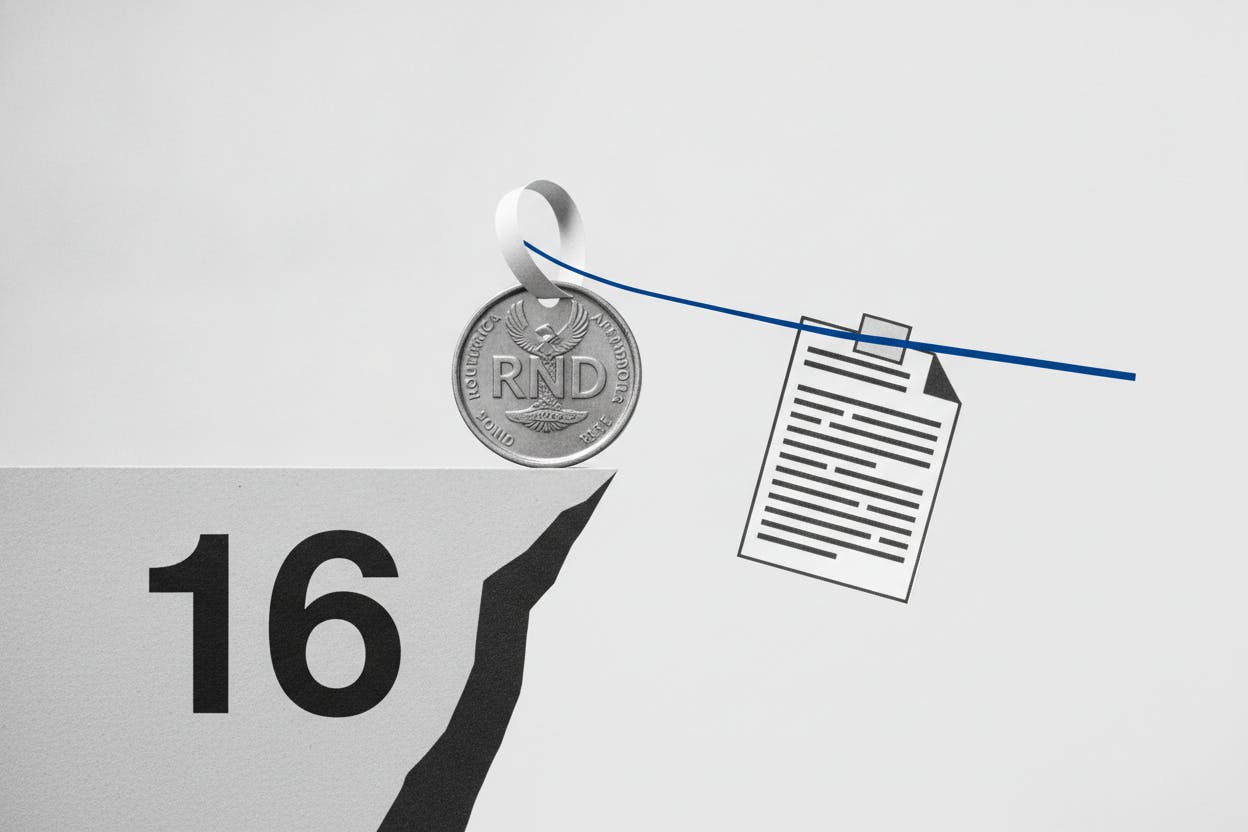
South Africa's rand hovered near the 16-per-dollar mark in early Friday trading, as currency markets braced for the latest US nonfarm payrolls report. The release, which details job creation and wage growth in the world's largest economy, has become a key catalyst for global markets, often triggering sharp moves in currencies, bonds, and equities.
At last check, the rand was trading around 15.9975 per dollar, a level that reflects a market in wait-and-see mode. For emerging-market currencies like the rand, major US data releases are pivotal because they influence expectations for the Federal Reserve's next policy moves.
Why the jobs report matters for the rand
The nonfarm payrolls report is more than just a jobs tally. It also includes average hourly earnings, a key gauge of wage inflation. Together, these numbers help investors gauge the health of the US labor market and, crucially, whether the Fed can afford to keep interest rates elevated or will need to start cutting them.
When US interest rates are high, the dollar tends to strengthen as investors seek higher yields. That puts pressure on emerging-market currencies like the rand, which often see capital outflows in such an environment. Conversely, if the data suggests the Fed might ease policy sooner, the dollar typically weakens, giving the rand and other EM currencies some breathing room.
ETM Analytics, a South Africa-focused research firm, noted that a soft jobs report would likely weaken the dollar and support the rand, as markets would begin pricing in less Fed tightening. In other words, weaker-than-expected job growth or wage gains could be seen as a sign that the Fed's fight against inflation is progressing, potentially paving the way for rate cuts.
The broader context for emerging-market currencies
The rand's movement is part of a wider pattern. Across the globe, emerging-market currencies often pause ahead of major US data releases, as traders position themselves for potential volatility. This week, similar dynamics have been at play elsewhere. For instance, Asian currencies have benefited from a softer dollar, with the South Korean won near a 14-month high. Meanwhile, gold prices have edged higher as Treasury yields cooled ahead of the jobs report.
The rand's sensitivity to US data is amplified by South Africa's own economic challenges, including sluggish growth and persistent power cuts. These domestic issues make the currency more vulnerable to external shocks, as investors demand a higher risk premium to hold rand-denominated assets.
What it means for investors
For everyday investors, the rand's level against the dollar has direct implications. A weaker rand makes imported goods more expensive, feeding into domestic inflation. It also affects the returns on overseas investments when converted back into rands, and can influence the performance of South African stocks, particularly those with significant international earnings.
If the jobs report comes in soft, the rand could strengthen, which might ease some inflationary pressure and potentially give the South African Reserve Bank more room to consider its own rate policy. On the other hand, a strong report could push the dollar higher, putting the rand under renewed pressure.
Investors should also keep an eye on how the Fed's stance evolves. Recent comments from Fed officials have suggested a higher bar for rate hikes, as noted in Fed Governor Waller's remarks, which have already influenced currency markets. The jobs data will either confirm or challenge that narrative.
For those with exposure to emerging markets, the key takeaway is that US data remains a dominant driver of currency movements. The rand, like many of its peers, is likely to remain sensitive to every twist and turn in the Fed's policy path. As always, diversification and a long-term perspective are prudent strategies in such an environment.
In the coming days, markets will also be watching for any follow-through in the dollar's movement and how other EM currencies respond. The rand's next move may well be decided by the numbers released on Friday morning.



