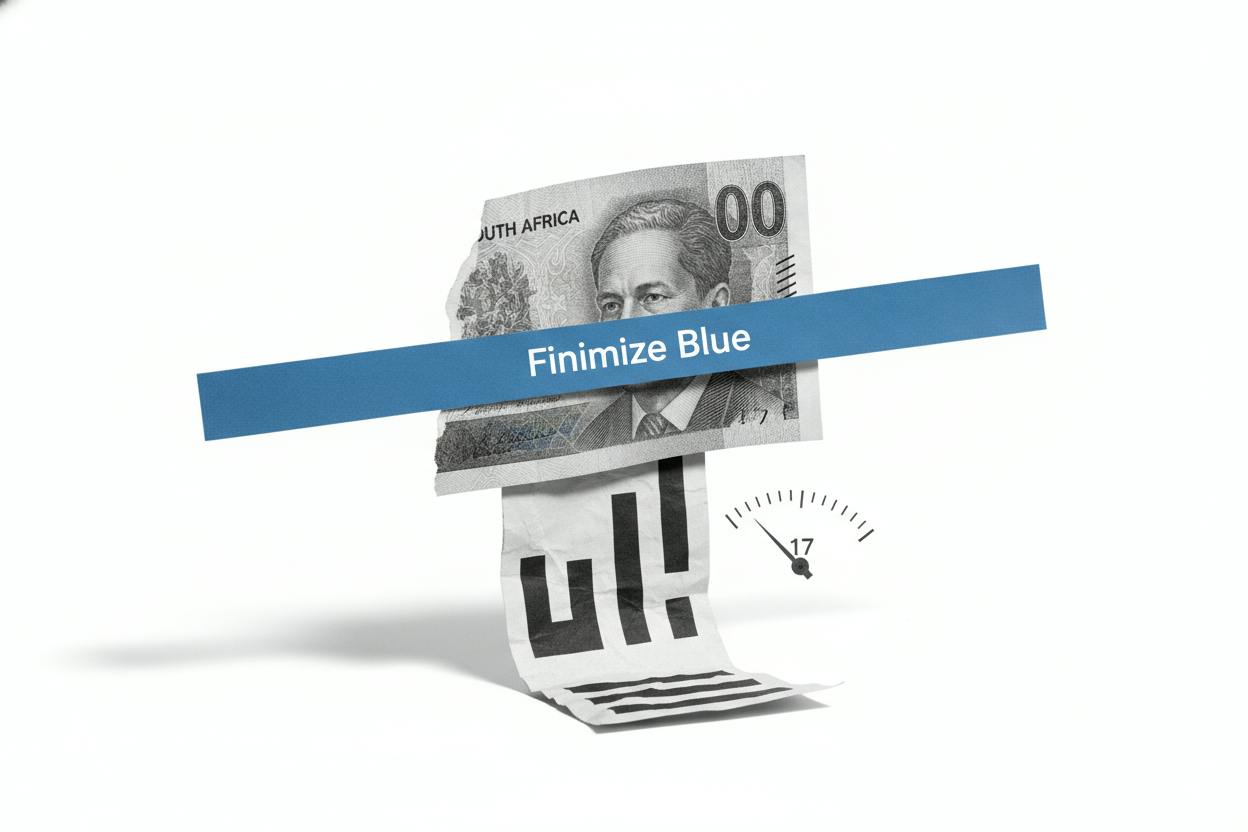
South Africa's rand slipped toward a seven-month low this week, hovering near the psychologically important 17-per-dollar mark as investors digested hotter-than-expected US inflation data and braced for a busy stretch of local economic news.
The currency traded at around 16.9750 per US dollar, according to Reuters, just shy of the 17-per-dollar level that would mark its weakest point since April. The move comes as part of a broader trend that has seen the dollar strengthen against many emerging-market currencies, a theme that has been playing out across global markets in recent weeks.
What's driving the rand lower?
The immediate trigger was fresh US producer-price data, which came in hotter than analysts had expected. Producer prices measure what businesses pay for goods and services, and a higher reading can signal that inflation pressures are persisting in the world's largest economy.
That matters for currencies like the rand because it influences what the US Federal Reserve does next. If inflation stays sticky, the Fed is more likely to keep interest rates elevated for longer, or even raise them again. Higher US rates tend to pull money toward dollar-denominated assets, as investors can earn better returns there. That often leaves risk-sensitive currencies like the rand on the back foot.
The dollar has already been flexing its muscles, hitting a 19-month high as hot inflation revived bets on further Fed rate hikes. The rand has not been alone in feeling the pressure; other emerging-market currencies have also struggled against a strengthening dollar.
A packed week for South African markets
Now the focus shifts to domestic data and policy. Statistics South Africa is due to release October consumer price inflation (CPI) figures on Wednesday, followed by the South African Reserve Bank's (SARB) interest rate decision on Thursday.
The SARB last raised its benchmark rate by 0.25 percentage points in September, continuing a tightening cycle aimed at bringing inflation back to its target range. The central bank has been walking a tightrope, trying to rein in price pressures without choking off economic growth.
Investors are also showing some caution in the bond market. South African government bonds sold off, pushing the yield on the 2035 issue up to about 8.545%. When bond yields rise, it typically signals that investors want more compensation to lend money over the long term, often because they see higher inflation or greater risk ahead.
This week's events come against a backdrop of diverging fortunes for African currencies, with some holding up better than others as dollar demand remains uneven across the continent.
What it means for your money
A weaker rand has a direct impact on the prices you pay. When the currency falls, imported goods and raw materials become more expensive in local currency terms. Over time, some of those higher costs get passed on to consumers, showing up in everything from fuel prices to electronics and food items that rely on imported inputs.
If Wednesday's CPI report shows inflation staying sticky, or if the weaker currency threatens to push it back up, the SARB will have less room to start cutting interest rates. That's a key consideration for anyone with floating-rate loans, such as home loans or vehicle finance, because these are often directly linked to the central bank's policy rate.
Even if your own rate doesn't reset immediately, the same "higher-for-longer" thinking can ripple through the economy. Higher bond yields, like the 2035 at 8.545%, can feed into borrowing costs for businesses and consumers, making loans more expensive across the board.
For investors, the rand's slide is a reminder of how interconnected global and local factors can be. A currency move driven by US inflation data can quickly become a domestic story, influencing everything from import prices to the central bank's next move.
Markets will be watching Wednesday's CPI print closely for any signs that inflation is accelerating, and Thursday's SARB announcement for clues about the future path of interest rates. A decision to hold rates steady, or to signal a pause, could offer some relief to the rand. But if inflation proves stubborn, the currency could remain under pressure.
In the meantime, the rand's slide toward 17 per dollar is a clear signal that global investors are still cautious about risk, and that South Africa's economic fundamentals are being tested by both domestic and international headwinds.