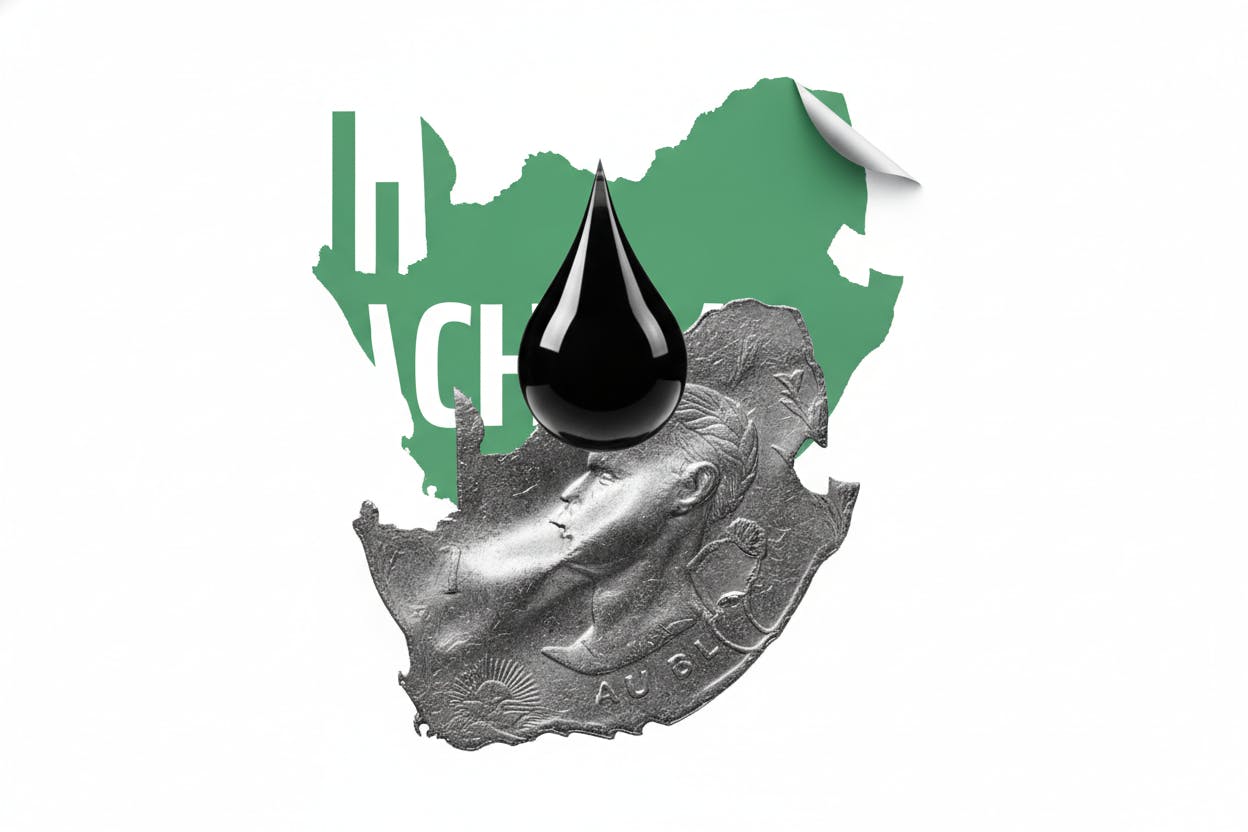
South Africa's rand weakened in early Tuesday trading, slipping 0.3% to 16.2675 per US dollar, as rising oil prices and heightened Middle East tensions pushed investors toward the safety of the greenback. The move extends a recent pattern where the currency has struggled to hold gains against a firmer dollar.
Why the rand is under pressure
The rand's decline is part of a broader trend affecting emerging-market currencies. When the US dollar strengthens, assets in developing economies often lose appeal because they become relatively more expensive for international investors. The dollar has been buoyed by safe-haven demand as geopolitical risks in the Middle East escalate, a dynamic that typically hits risk-sensitive currencies like the rand hardest.
At the same time, oil prices have climbed for a third straight session. South Africa is a net importer of fuel, and crude is priced in dollars. That means every dollar rise in oil prices increases the country's import bill, requiring more dollars to pay for the same amount of fuel. This added demand for dollars puts further downward pressure on the rand.
The combination of a stronger dollar and pricier oil creates a double squeeze. Not only does the rand lose value against the dollar, but the higher cost of imported fuel can feed into domestic inflation. For ordinary South Africans, that could eventually mean higher prices at the petrol pump and for goods that depend on transport.
What it means for inflation and the central bank
Fuel costs are a significant component of South Africa's consumer price index. When oil prices rise, the risk is that inflation picks up, even if other price pressures are cooling. The South African Reserve Bank has been cautious about cutting interest rates, and a sustained rise in oil prices could keep it on hold for longer.
Investors will be watching upcoming inflation data closely. A hotter-than-expected reading could reinforce expectations that the central bank will maintain its current policy stance, which would support the rand but could also weigh on economic growth. Conversely, if inflation comes in cooler, it might give the bank room to ease, but that could also weaken the currency further.
For now, the rand's slide is modest, but the direction is clear. As long as oil prices remain elevated and geopolitical tensions persist, the currency is likely to stay under pressure. Traders will also keep an eye on any shifts in US interest rate expectations, as a more hawkish Federal Reserve would strengthen the dollar further.
What investors should watch
For everyday investors, the key takeaway is that currency movements can have ripple effects across portfolios. A weaker rand makes imported goods more expensive, which can squeeze company margins and reduce the purchasing power of consumers. It can also make South African assets less attractive to foreign investors, potentially affecting local stocks and bonds.
However, a weaker rand isn't all bad news. It can boost the earnings of South African companies that export goods or earn revenue in dollars, as their profits translate into more rands. Mining companies, for example, often benefit from a softer currency.
Investors should also consider the broader emerging-market context. The rand's move is not isolated; other currencies in Asia and Latin America have also been reacting to oil prices and dollar strength. For instance, Asian currencies have firmed as the dollar slipped, but oil remains a looming risk. Similarly, Latin American currencies gained as the dollar slid for a third day, showing how regional dynamics can diverge.
In the near term, the rand's path will likely hinge on oil prices and any headlines from the Middle East. A de-escalation could ease pressure, while further escalation could push the rand toward weaker levels. The rand had firmed to 16.14 per dollar earlier as traders awaited July inflation data, but that optimism has faded as oil and dollar dynamics took over.
For now, the rand remains vulnerable, and investors should brace for continued volatility. Keeping an eye on oil prices, the dollar index, and any central bank commentary will be crucial in the days ahead.