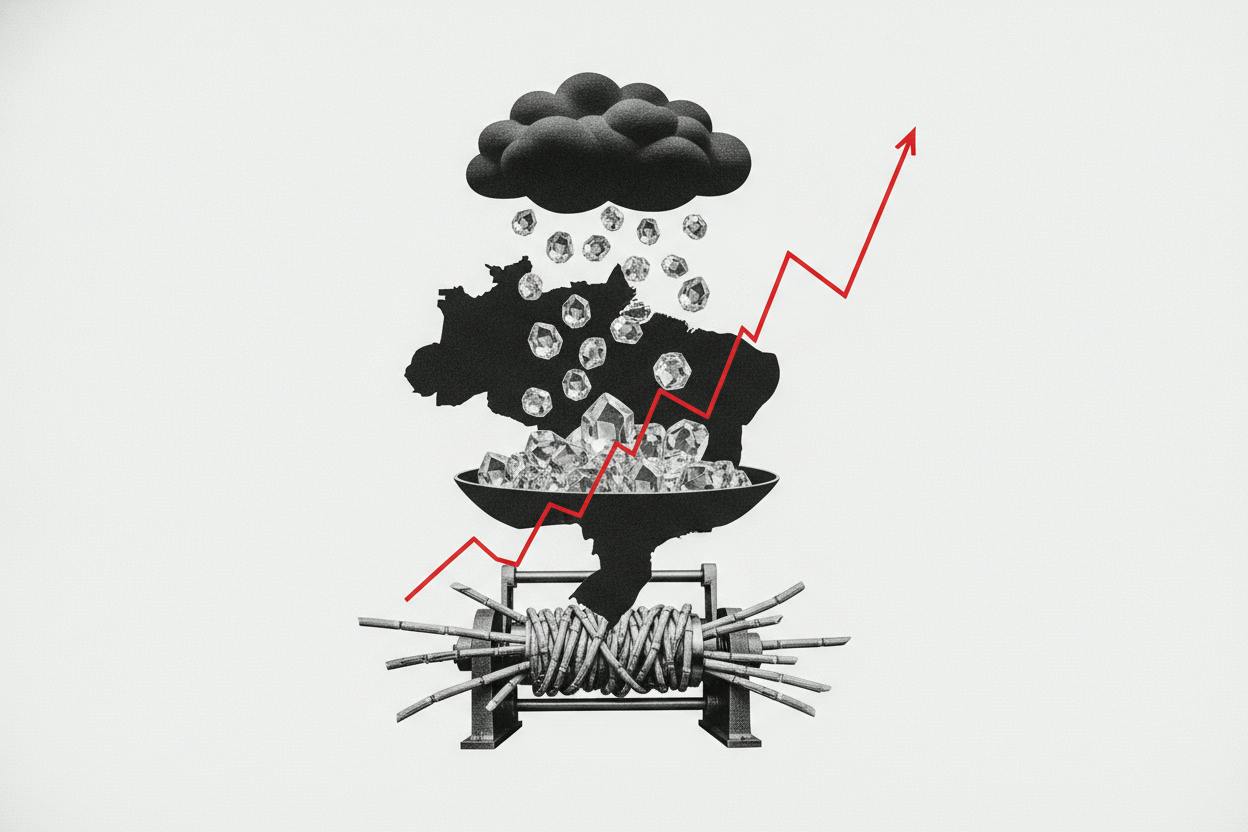
Raw sugar prices climbed to a 19-month high on Tuesday, reaching 20.90 cents per pound on ICE futures, as fresh rain forecasts for Brazil raised concerns that the world's top exporter could harvest less than expected. The move underscores how sensitive the global sugar market remains to weather in South America's largest economy.
Why Brazil's weather matters
Brazil's Centre-South region is the market's swing supplier, meaning it can quickly shift global supply and demand dynamics. Even a short delay in cane crushing can ripple through prices worldwide. Traders said more rain over the next couple of weeks could slow the harvest and push sugar output below 38 million metric tons, down from the 40 million tons that a late-July Reuters poll had expected.
That downgrade helps explain why prices are firm even as some traders describe near-term physical demand as soft. In other words, the market is pricing in a tighter supply outlook, not a sudden surge in buying.
Refined (white) sugar also rose, echoing the move in raw sugar. White sugar is the processed form used in food and beverages, and its price tends to follow raw sugar closely.
Cocoa slips after a sharp run-up
In contrast, cocoa futures slipped after a sharp run-up in recent days. The pullback suggests some profit-taking after a strong rally, though cocoa remains a volatile market driven by weather and crop conditions in West Africa, the main growing region.
What it means for investors
For everyday investors, the sugar rally is a reminder that commodity prices can be highly sensitive to weather events. If you hold shares in food and beverage companies, higher sugar costs could squeeze their profit margins, as they may not be able to pass on all the increase to consumers. On the flip side, companies that produce or trade sugar could benefit from higher prices.
Commodity-focused exchange-traded funds (ETFs) that track sugar or agricultural futures may also see gains, but they come with their own risks, including volatility and the impact of currency moves.
It's also worth noting that Brazil's weather can affect other markets. For instance, Brazilian assets have rallied on political news, but a weaker harvest could weigh on the country's trade balance and currency. Investors with exposure to Brazil should keep an eye on the agricultural sector.
Meanwhile, the broader commodity complex has been mixed. The euro steadied after French bond jitters eased, and Canada's services sector continued to shrink, highlighting uneven global growth.
Looking ahead
Traders will be watching weather forecasts for Brazil's Centre-South region closely over the next few weeks. Any further rain could push prices higher, while a dry spell could ease concerns and lead to a pullback. The market will also be monitoring demand from major buyers like China and India, as well as the impact of a stronger US dollar, which can make dollar-denominated commodities more expensive for foreign buyers.
For now, the sugar market is firmly in weather-watch mode. As always, it's wise to remember that commodity prices are notoriously difficult to predict, and any investment should be part of a diversified portfolio.