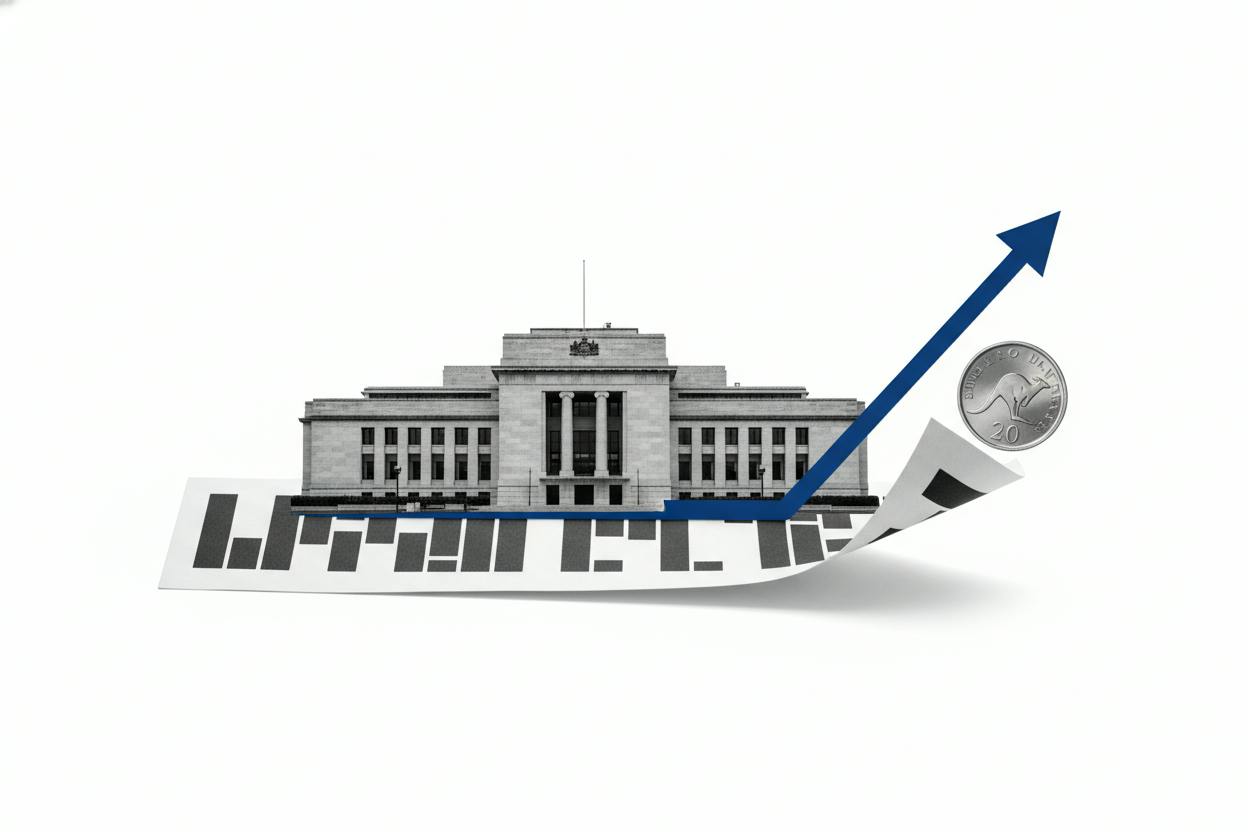
The Reserve Bank of Australia's latest meeting minutes have laid bare a central bank that remains firmly focused on fighting inflation, even as financial markets bet on rate cuts next year. The minutes show six of nine board members were open to another increase in the cash rate, which currently sits at 4.85% after five hikes this year.
The central bank's worry is straightforward: inflation has proven stickier than expected, and stopping too soon could allow price pressures to linger. Board members also flagged uncertainty around the "neutral rate" — the level of interest rates that neither stimulates nor restrains the economy — hinting that borrowing costs may need to stay higher for longer than many assume.
What the minutes reveal
The minutes, released after the board's latest meeting, show a clear tilt toward tighter policy. Six of nine members backed a fifth increase this year, and the same majority appeared open to further moves. That hawkish stance contrasts sharply with market pricing, which implies about 22 basis points of rate cuts by the end of next year.
Not everyone on the board agreed. The more cautious members pointed to a cooling labor market, with unemployment at 4.7% and expected to rise further, as well as a housing downturn. That split explains why markets can price cuts while the central bank's internal debate still reads hawkish.
For everyday Australians, the practical takeaway is that mortgage rates and other borrowing costs may stay elevated for a while. The RBA's focus on inflation means it is willing to tolerate some economic slowdown to bring price pressures under control.
What it means for investors
When a central bank signals a hawkish bias, the first thing traders adjust is the expected path for upcoming meetings. That shift in expectations tends to move short-dated government bond yields more than long-dated ones, because the front end of the yield curve is tightly tied to the policy outlook. The ASX 200 slipped ahead of the minutes as inflation worries returned, and the minutes are likely to reinforce that caution.
The Australian dollar is another pressure point. If investors start pricing fewer cuts — or a higher chance of one more hike — it can change the currency's appeal relative to other major rates markets. A stronger dollar can weigh on exporters and multinational earnings, while a weaker one can boost them.
The RBA's stance is not unique. Central banks in other developed economies are grappling with similar inflation concerns. For instance, the Bank of England's chief economist has suggested UK rates may need more hikes into 2027, and the Federal Reserve's Hammack has backed gradual rate hikes as inflation pressures broaden. This global hawkish tilt suggests that the era of ultra-low rates is firmly in the rearview mirror.
What to watch next
Investors will be watching for any further signals from the RBA, including speeches by board members and upcoming economic data. Key indicators include monthly inflation figures, employment numbers, and housing data. If inflation remains sticky, the case for another hike will strengthen. If the labor market weakens more than expected, the doves on the board may gain ground.
For now, the minutes make clear that the RBA is not ready to declare victory over inflation. The path of rates will depend on incoming data, but the bias is clearly toward tighter policy. That means investors should be prepared for a period of elevated rates, which has implications for everything from bond yields to the Australian dollar to the performance of rate-sensitive sectors like property and financials.
In the broader context, the RBA's stance is part of a global trend. Central banks in the US, UK, and elsewhere are all wrestling with how long to keep rates high. The US dollar firmed as traders awaited retail sales and Fed minutes, and similar dynamics are playing out in Australia. The key takeaway for investors is that the era of cheap money is over, and the adjustment to higher rates is likely to continue.



