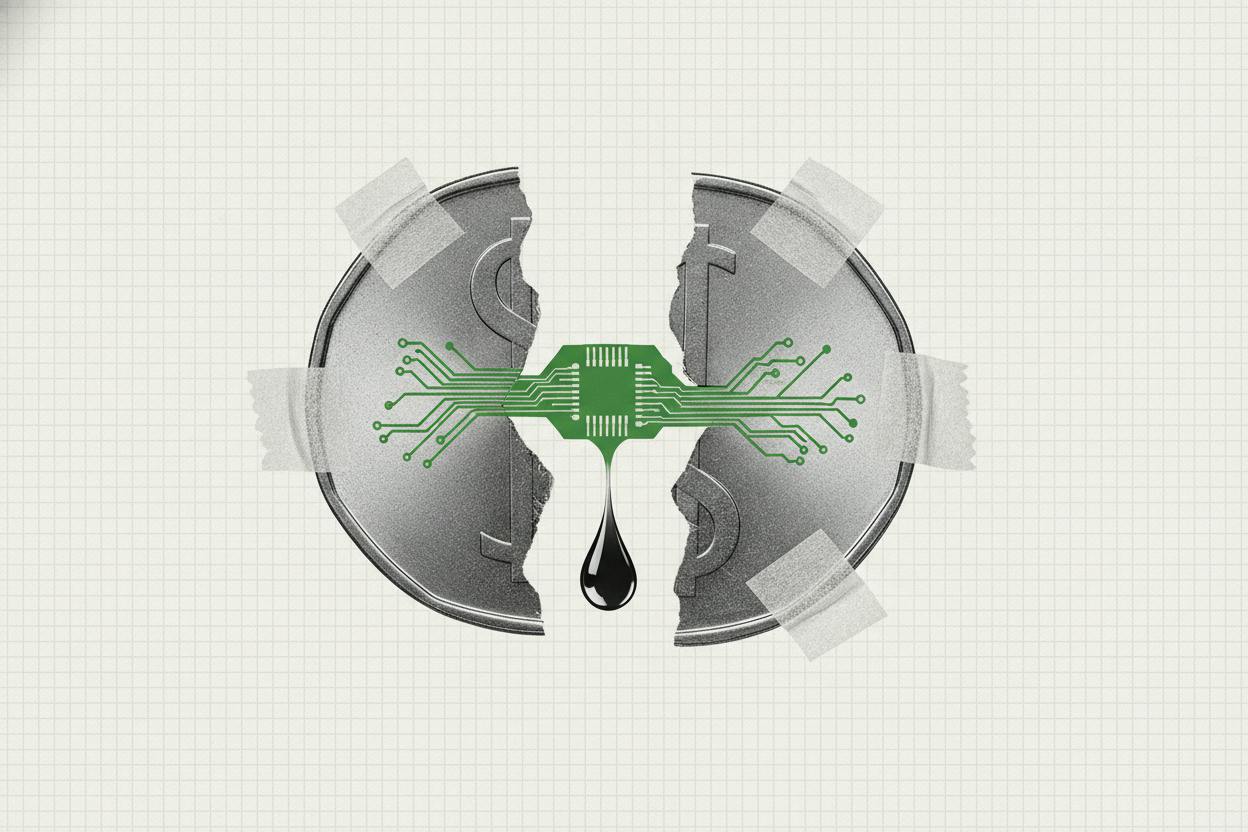
The Reserve Bank of Australia (RBA) is facing a tougher balancing act as it juggles a split board, uneven demand across the economy, and new risks from oil and artificial intelligence. In a speech in Canberra, board member Renee Fry-McKibbin said she sees “pockets of strong demand” alongside clear weakness elsewhere, while the cash rate sits at an 18-year high of 4.85%.
Her comments come at a delicate moment for the central bank. Rate hikes work with a lag, meaning the full effect of past increases is still working through the economy. That makes it harder for policymakers to agree on how much weight to put on inflation versus jobs when they look at the same data.
A board already divided
The disagreement is already visible. Reuters reported that the RBA’s latest rate hike came after a split vote, with three members worried the economy was close to a sharp downturn. A surprise rise in unemployment to 4.9% then pushed markets toward the idea that rates may have peaked.
But Fry-McKibbin’s warning of a “massive global oil supply shock” tied to the Middle East conflict complicates that picture. Oil usually hits inflation first through fuel and transport costs. If the jump sticks around, it can also lift what households and businesses expect prices to do next—a key factor for central banks trying to keep inflation expectations anchored.
She also flagged AI as a longer-run wild card for growth and wages. While AI could boost productivity over time, it could also disrupt jobs and alter wage dynamics in ways that are hard to predict. That makes the RBA’s already-foggy outlook even harder to lock down.
What it means for investors
At 4.85%, a split RBA board widens the range of plausible next moves. An oil-driven inflation burst would pressure the RBA to stay tough, even if the labor market is softening. But with the board already divided and demand uneven, each meeting starts to look more like a true coin-flip between “hold” and “hike,” rather than a steady path.
That uncertainty tends to show up most in Australia’s front-end rates—the shorter-term bond yields that move with expectations for the next few decisions. It can also spill into the Australian dollar as traders keep repricing the odds of “more hikes” versus “peak rates.”
For everyday investors, the key takeaway is that the RBA’s path is far from clear. If you’re holding cash or short-term bonds, a higher-for-longer scenario could keep yields elevated. If you’re in stocks, sectors sensitive to interest rates—like property and consumer discretionary—could see more volatility as the board’s split keeps markets guessing.
The RBA’s situation echoes other central banks facing similar dilemmas. For instance, the South African Reserve Bank's split vote kept rates steady but left the rand near a year low, showing how divided boards can keep markets on edge. Closer to home, the ASX slid 1.8% after RBA minutes revealed a split over rate hike risks, underscoring how sensitive markets are to any hint of division.
Fry-McKibbin’s comments also highlight the broader challenge of navigating an economy with uneven demand. While some sectors are booming, others are clearly struggling. That makes it hard for the RBA to set one rate that fits all.
Looking ahead, investors will be watching for more clues from the RBA, including any hints about how the board is weighing the oil shock and AI’s potential impact. The next few meetings could be pivotal, and the range of possible outcomes is wider than usual.
For now, the message is clear: the RBA is in a tough spot, and the path forward is anything but certain. Whether you’re a saver, a borrower, or an investor, it’s worth keeping an eye on how these risks play out.