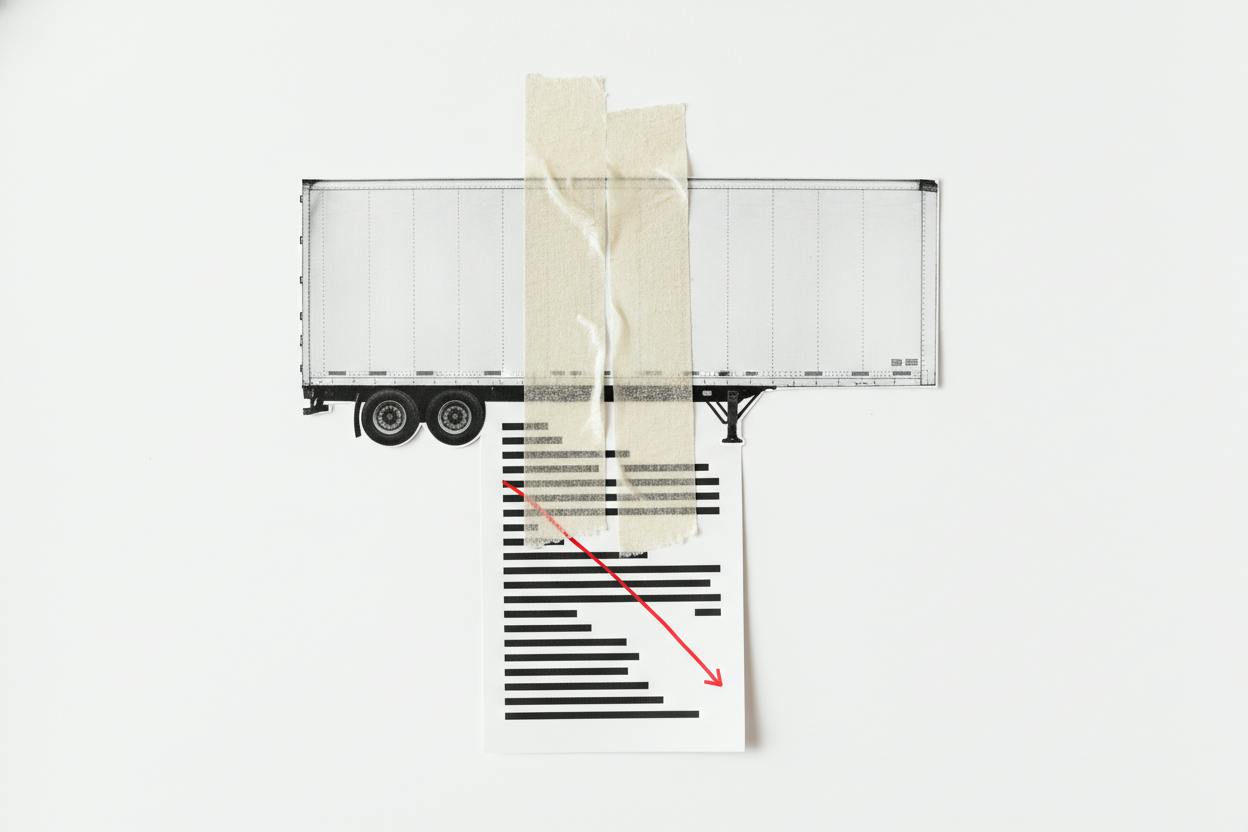
RBC Capital Markets has started covering Danish freight forwarder DSV with a “sector perform” rating, and the message is clear: the hard part isn't buying Schenker, it's making it work. The bank argues that the real test for DSV lies in integrating the German logistics giant, particularly its Road trucking unit, which it sees as the biggest execution risk.
DSV has built its reputation as a serial acquirer, snapping up rivals and squeezing out cost savings. RBC acknowledges that strength, calling DSV a strong “consolidator.” But the Schenker deal, which closed in 2025, is bigger and more complex than previous acquisitions. The Road business, in particular, operates with different margins and customer relationships than DSV's core air and sea freight operations, making it harder to fold into the existing model.
Why the integration matters more than the price target
RBC's caution is reflected in its numbers. The bank's 2028 earnings before interest and taxes (EBIT) forecast is about 10% below what analysts, on average, currently expect. That gap is significant because many valuation models for transport and logistics companies rely on forward EBIT or earnings per share. If consensus estimates drift down toward RBC's level, the stock could be repriced even if the company's long-term strategy remains intact.
In other words, RBC is treating the next year as a “proof phase.” The market will be watching operational updates on Schenker integration—how quickly DSV can cut costs, retain customers, and improve margins—rather than fixating on a specific price target. The bank's rating suggests it sees the stock as fairly valued at current levels, with limited upside unless integration goes better than expected.
This dynamic is familiar in the logistics sector. When a major broker publishes a below-consensus model, it can shift the “center of gravity” for forecasts. Other analysts often revise their numbers to match, especially if new data doesn't quickly support the market's higher assumptions. That can lead to a cascade of estimate cuts, which typically weighs on a stock even if the underlying business is performing well.
What it means for investors
For everyday investors, the key takeaway is that the near-term swing factor for DSV's stock is evidence that Schenker's Road integration is on track. If DSV reports early milestones that show cost savings or margin improvements, that could halt estimate cuts or even prompt upgrades. Conversely, any signs of trouble—such as customer attrition or slower-than-expected synergies—could accelerate the downward revisions.
It's also worth noting that RBC's cautious stance isn't unique to DSV. The bank has recently taken a similar view on other logistics names, such as DHL, which it started with an outperform rating, but the underlying theme is the same: integration and execution are what matter in this sector.
For investors holding DSV shares, the RBC note is a reminder that even well-run consolidators face risks when deals get complex. The stock may trade on sentiment around integration progress rather than on the company's long-term goals. That means keeping an eye on quarterly updates and any commentary about Schenker's Road unit will be more important than the headline price target.
In the broader context, logistics and freight forwarding have been under pressure from softer global trade and economic uncertainty. Europe's earnings have looked strong overall, but consumer-facing sectors are wobbling, and that could spill over into freight volumes. If the global economy slows further, DSV's integration task becomes even harder, as it would be trying to cut costs while volumes decline.
RBC's below-consensus EBIT forecast is a warning shot. It doesn't mean the stock is doomed, but it does suggest that the market's current expectations may be too optimistic. Investors should watch for any updates on Schenker integration, especially around the Road business, as those will likely drive the stock's direction in the coming quarters.
For those new to the story, DSV is one of the world's largest freight forwarders, moving goods by air, sea, and land. The Schenker acquisition, which came from Deutsche Bahn, made DSV even bigger, but it also brought a sprawling network that needs to be integrated carefully. RBC's “sector perform” rating is essentially a neutral call, but the reasoning behind it—that the real test is yet to come—is a useful lens for any investor evaluating the stock.
As always, this is not a recommendation to buy or sell. It's an explanation of what a major bank's view means and what investors should be watching. The next few quarters will be telling.