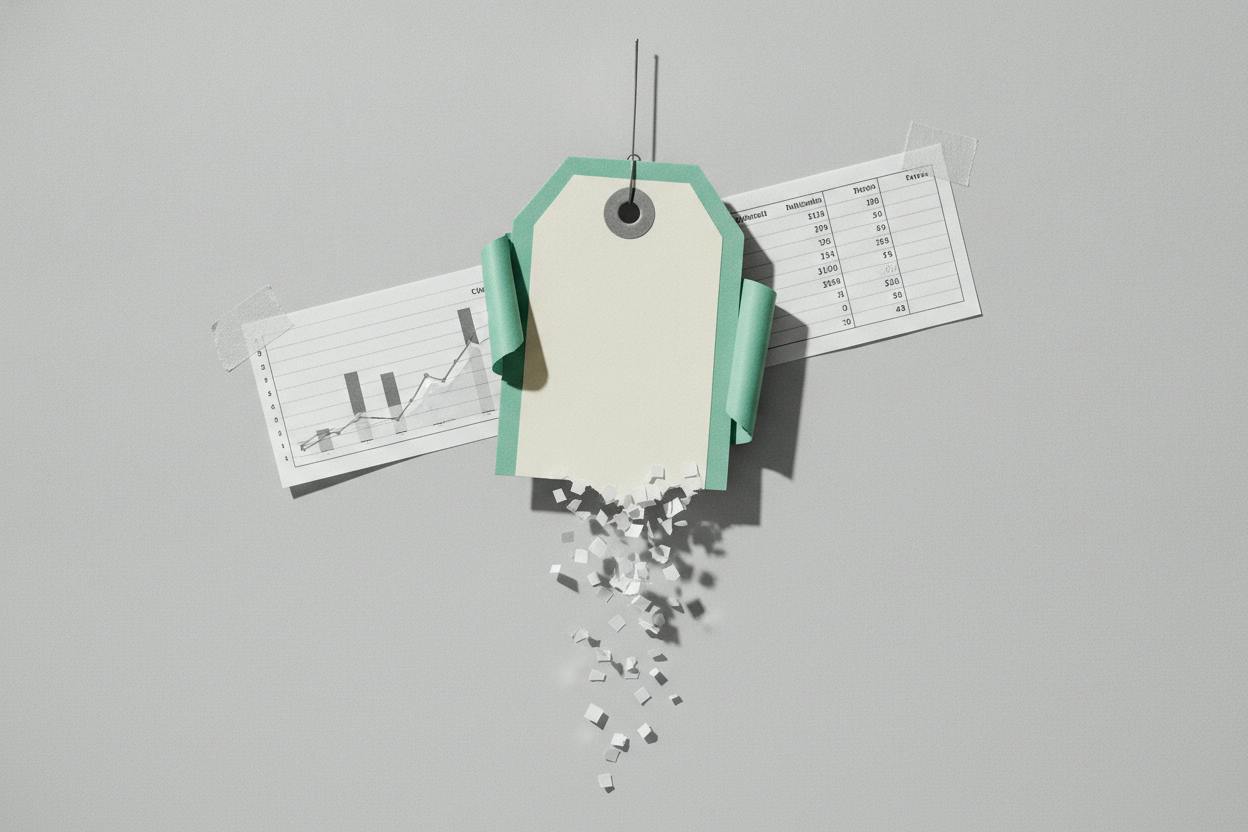
RBC Economics, the research arm of Royal Bank of Canada, has weighed in on the latest round of US tariff threats, and its bottom line is reassuring for the broader Canadian economy: these tariffs are likely to sting a narrow slice of exporters, but they are not big enough to knock the national outlook off course.
In a note published Thursday, the team estimated that the threatened tariffs cover roughly 5% of Canadian exports, including products like plastics, clothing, and electrical equipment. But when measured by value added—a metric that strips out imported inputs—the direct exposure drops to about 0.4% of Canada's GDP and employment. In plain terms, the pain could be very real for specific industries, but it is unlikely to derail the country's overall growth.
What the numbers mean
To understand why RBC is framing this as a headwind rather than a shock, it helps to look at how tariffs actually hit an economy. When the US imposes a tariff on a Canadian product, the immediate cost falls on the exporter—either through lower prices, lost sales, or both. But not every dollar of exports is pure domestic production. Many Canadian goods contain components sourced from other countries, so the actual hit to Canadian GDP is smaller than the headline export figure suggests.
That is why RBC's use of value-added data matters. By focusing on the portion of exports that genuinely originates in Canada, the bank estimates the direct economic impact is just 0.4% of GDP and jobs. For comparison, a typical recession involves a decline of several percentage points. A 0.4% drag is noticeable but manageable.
The sectors most exposed—plastics, clothing, and electrical equipment—are concentrated in certain regions and among smaller firms. For those businesses, the tariff threat could mean lost orders, squeezed margins, or even layoffs. But for the Canadian economy as a whole, the effect is likely to be modest.
Why the Bank of Canada is staying put
RBC also pointed to stronger-than-expected economic data as a reason the Bank of Canada is holding interest rates steady for now. When growth is solid and inflation is under control, central banks typically prefer to wait before making any policy moves. The tariff uncertainty adds a reason to pause, but it is not enough to force the Bank's hand.
For everyday investors, this means the Bank of Canada is unlikely to cut rates aggressively in response to the tariff news. That has implications for borrowing costs, mortgage rates, and the value of the Canadian dollar. A stable policy stance can support confidence, but it also means that any future rate cuts may come later than some had hoped.
What it means for investors
For investors, the key takeaway is that the tariff threat is a sector-specific issue, not a broad market event. Companies that export plastics, clothing, or electrical equipment to the US could see their earnings pressured, and their stock prices may react negatively. On the other hand, businesses that sell mostly domestically or that have diversified supply chains are likely to be less affected.
This is a good reminder to look beyond headline risks. When a tariff announcement hits the news, it is easy to assume the entire market will suffer. But the actual impact depends on how exposed each company is. Investors should consider whether their holdings have meaningful US export exposure or rely on imported inputs that could become more expensive.
RBC's analysis also highlights the importance of value-added measures. A company that assembles products from foreign parts may face less tariff pain than one that produces everything domestically. Similarly, a company that can pass higher costs to customers may weather the storm better than one that operates on thin margins.
For those looking for broader context, the tariff situation is part of a larger trade story. Canadian small exporters are already bracing for a 50% US tariff, according to a recent CFIB survey that flagged revenue fears. That survey suggests the anxiety is real, even if the macro impact is limited.
On the corporate side, some companies are taking proactive steps to shield themselves. GM's $4.5B parts stockpile is a prime example of how a major manufacturer is preparing for potential supply shocks. Such moves can help mitigate the impact of tariffs, but they also add costs.
Investors should also keep an eye on how other central banks and governments respond. If the US tariffs escalate, there could be retaliation, which would broaden the economic impact. But for now, RBC's view is that the latest threats are a manageable headwind.
The bottom line
RBC's assessment is a useful reality check. The latest US tariff threats are not a reason to panic about the Canadian economy. They are a reason to be selective—especially if you own stocks in the most exposed sectors. The Bank of Canada's decision to hold rates reflects a broader confidence that the economy can absorb this shock, even if it leaves some exporters feeling the pinch.
As always, the key for investors is to focus on the fundamentals of individual companies rather than reacting to every headline. Tariffs are just one factor in a complex equation. A company with strong pricing power, a diversified customer base, and a resilient supply chain may be well-positioned to navigate the headwinds. Others may struggle. The data from RBC suggests that, for the economy as a whole, the storm is likely to pass without causing lasting damage.