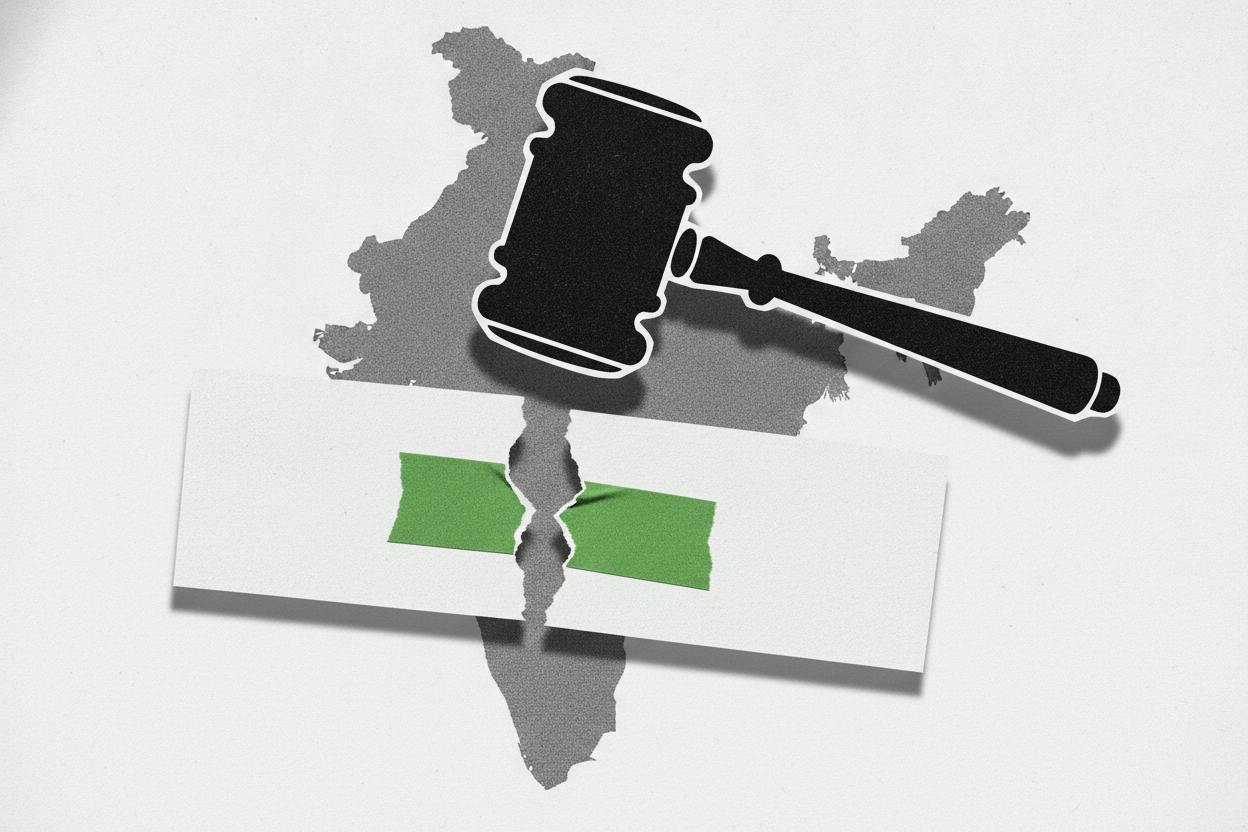
The Reserve Bank of India (RBI) has asked the Supreme Court to review its earlier ruling that Yes Bank's write-off of 84.15 billion rupees (about $894 million) in additional tier-1 (AT-1) bonds was impermissible. The central bank's move reignites a legal battle that has significant implications for how India handles failing banks and for investors who hold these complex securities.
What are AT-1 bonds?
AT-1 bonds, also known as additional tier-1 bonds, are a type of perpetual bond that banks issue to meet regulatory capital requirements. They are designed to absorb losses when a bank gets into trouble, converting into equity or being written off entirely. This mechanism is meant to stabilize a lender without relying solely on taxpayer bailouts or diluting existing shareholders.
In the case of Yes Bank, which was placed under a rescue plan in 2020, the RBI and the bank's new management wrote off the AT-1 bonds as part of the restructuring. The idea was that these bondholders would share the pain, allowing the bank to continue operating. However, a group of bondholders challenged the write-off, arguing that it was unfair and that the terms of the bonds did not allow for such a move in this situation.
The court's ruling and the RBI's response
Earlier this year, the Supreme Court ruled that the write-off was not permissible, effectively siding with the bondholders. That decision left Yes Bank in a difficult position: it had already treated the bonds as gone, but now it might have to compensate the bondholders. The practical question of how to make them whole—and who would bear the cost—remained unresolved.
Now, the RBI has asked the Supreme Court to review that ruling. The central bank's request suggests it believes the original decision was flawed, possibly because it could set a precedent that undermines the very purpose of AT-1 bonds. If bondholders can successfully challenge write-offs, it might make it harder for banks to raise this type of capital in the future, as investors would demand higher yields to compensate for the risk that they might not be able to recover losses.
What this means for investors
For everyday investors, this case is a reminder that not all bonds are created equal. AT-1 bonds are considered riskier than regular corporate bonds because they are explicitly designed to absorb losses. They are often sold to institutional investors, but retail investors can also hold them, sometimes without fully understanding the risks.
The Supreme Court's review could go either way. If the court upholds the original ruling, Yes Bank and potentially the RBI would need to find a way to compensate the bondholders, which could be costly. If the court reverses its decision, the write-off would stand, and bondholders would lose their investment, but the bank would be on firmer financial footing.
For investors in Indian banks, the outcome matters because it could affect how banks manage their capital in future crises. A ruling that favors bondholders might make banks more cautious about using AT-1 write-offs, potentially leading to higher capital costs. On the other hand, a ruling that supports the write-off would reinforce the idea that these bonds are truly loss-absorbing, which is what regulators intend.
Broader context
The Yes Bank case is unfolding against a backdrop of heightened attention to India's financial sector. The RBI has been working to strengthen banks' balance sheets, and the government has been pushing for more transparency in bond markets. Meanwhile, foreign investors have been pouring money into Indian stocks, as noted in a recent report on foreign inflows into Indian equities, and the rupee has been firming up. These factors suggest that investor confidence in India remains relatively strong, but legal uncertainties like this one can create ripples.
For those holding AT-1 bonds of any bank, the key takeaway is to understand the specific terms and conditions. These instruments are not like traditional bonds; they are closer to equity in terms of risk. The Yes Bank case is a stark example of how a write-off can happen, and why it is crucial to read the fine print.
What to watch next
The Supreme Court's decision on whether to review its ruling will be closely watched. If it agrees to hear the case, it could take months or even years to reach a final verdict. In the meantime, Yes Bank will have to navigate the uncertainty, and bondholders will be waiting to see if they get any relief.
For the broader market, the case highlights the delicate balance between protecting investors and ensuring that banks can be rescued without excessive cost to the public. It is a classic tension in financial regulation, and India's courts are now at the center of it.
As the legal process unfolds, investors should keep an eye on any updates, as they could have implications for bank stocks and bond markets. The RBI's decision to seek a review is a significant development, but it is far from the final word.