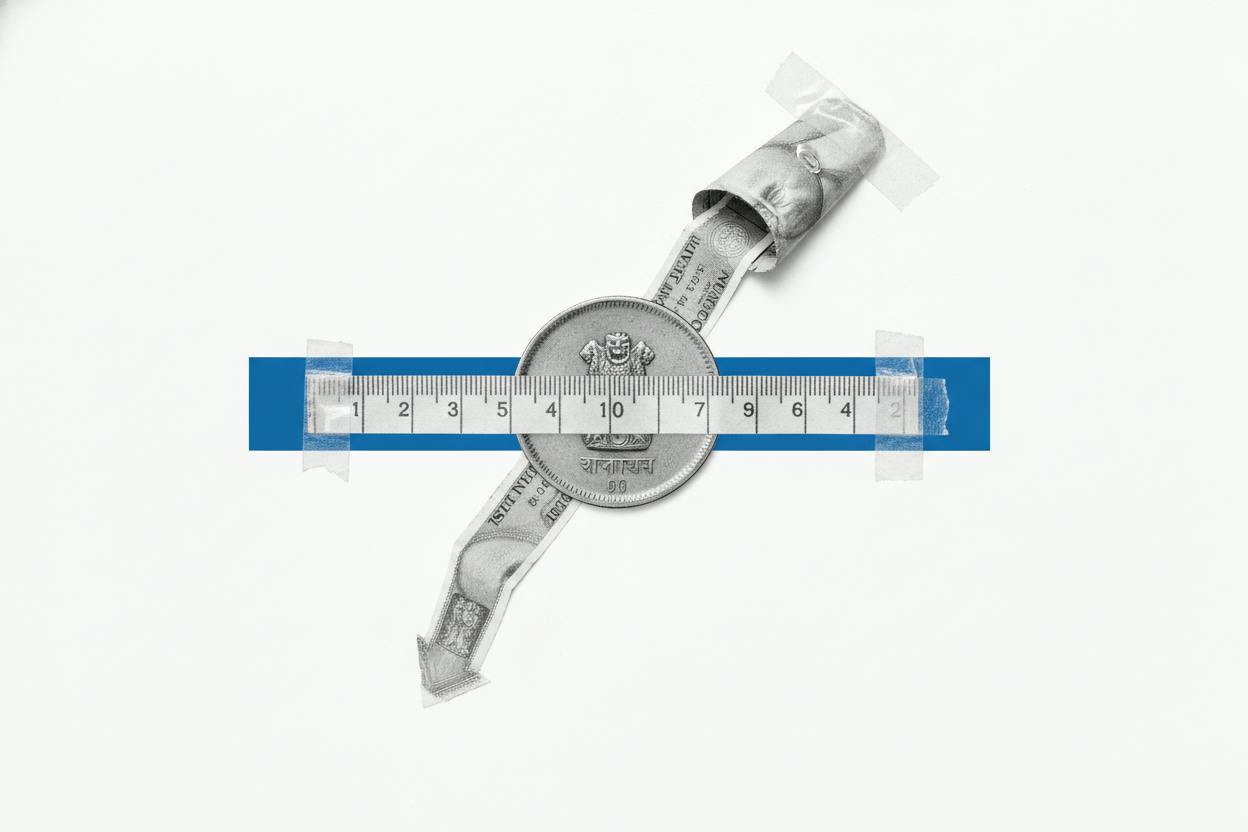
India's central bank is back in the currency market, and this time it is leaning on a familiar playbook. Traders say the Reserve Bank of India (RBI) has been using state-run banks to sell dollars and has kept running dollar-rupee swaps, all in an effort to defend a zone around 95.80 to 96 rupees per dollar.
The rupee has been hovering near that 95.80 mark, and market participants believe the RBI wants to slow any further slide. The currency has been under pressure from higher oil prices and softer foreign inflows — two forces that tend to weigh on a country that imports most of its crude.
How the RBI intervenes without showing its hand
Central banks rarely step into the currency market under their own name. Instead, they often work through state-run banks, which place the actual buy and sell orders. That is exactly what traders say is happening now: state-run banks were seen offering dollars, a common sign that the RBI is intervening indirectly.
The RBI has also been using dollar-rupee swaps. In a swap, the central bank effectively exchanges rupees for dollars with banks for a set period, then reverses the trade later. This can soak up rupees from the banking system while giving banks dollars in the meantime. It is a tool that influences both the currency and domestic liquidity at the same time.
That dual effect matters. According to traders, the combination of dollar sales and swaps has helped cut the banking system's liquidity surplus by about 55%. In plain terms, there is less spare cash sloshing around in India's banking system than before. When liquidity is abundant, short-term borrowing costs tend to fall; when it tightens, those costs can rise.
Why the rupee is under pressure
The rupee's slide is not happening in a vacuum. Higher oil prices make imports more expensive for India, which increases demand for dollars to pay for energy shipments. At the same time, softer foreign inflows mean fewer dollars are coming in through investments. When fewer dollars arrive and more are needed, the currency tends to weaken.
This is a familiar pattern for oil-importing economies. A weaker currency can feed into inflation because imported goods cost more in local terms. That creates a tricky situation for a central bank: it may want to defend the currency to keep price pressures in check, but aggressive intervention can drain liquidity and tighten domestic financial conditions.
The RBI's approach so far looks aimed at smoothing the rupee's path rather than fixing it at a specific level. Defending a zone — rather than a single hard line — gives policymakers room to let the currency move gradually while pushing back against sharp, disorderly drops.
What it means for investors
For everyday investors, the first takeaway is that currency moves can ripple through an entire portfolio. A weaker rupee affects the earnings of companies that import heavily, the returns on foreign investments held by Indian investors, and the appeal of Indian assets to overseas funds.
When the RBI drains liquidity through swaps and dollar sales, short-term interest rates in India can edge higher. That can influence everything from money market funds to the cost of borrowing for banks and companies. Investors watching Indian bonds and rate-sensitive sectors may want to keep an eye on how much liquidity the central bank continues to absorb.
Oil prices remain a key variable. If crude stays elevated, the pressure on the rupee is likely to persist, and the RBI may need to keep intervening. If oil eases and foreign inflows pick up, the currency could find more natural support. Traders are also watching whether the RBI's presence in the market remains as active as it has been.
It is worth remembering that intervention is not a one-way bet. Central banks can slow a currency's move, but they cannot indefinitely override broader economic forces. The RBI's goal is typically to prevent sharp swings that can unsettle businesses and investors, not to set the rupee's level forever.
For now, the message from the market is clear: the RBI is active, the liquidity surplus is shrinking, and the 95.80-96 zone is the line traders are watching. How long that line holds will depend on oil, inflows, and how much firepower the central bank is willing to use.