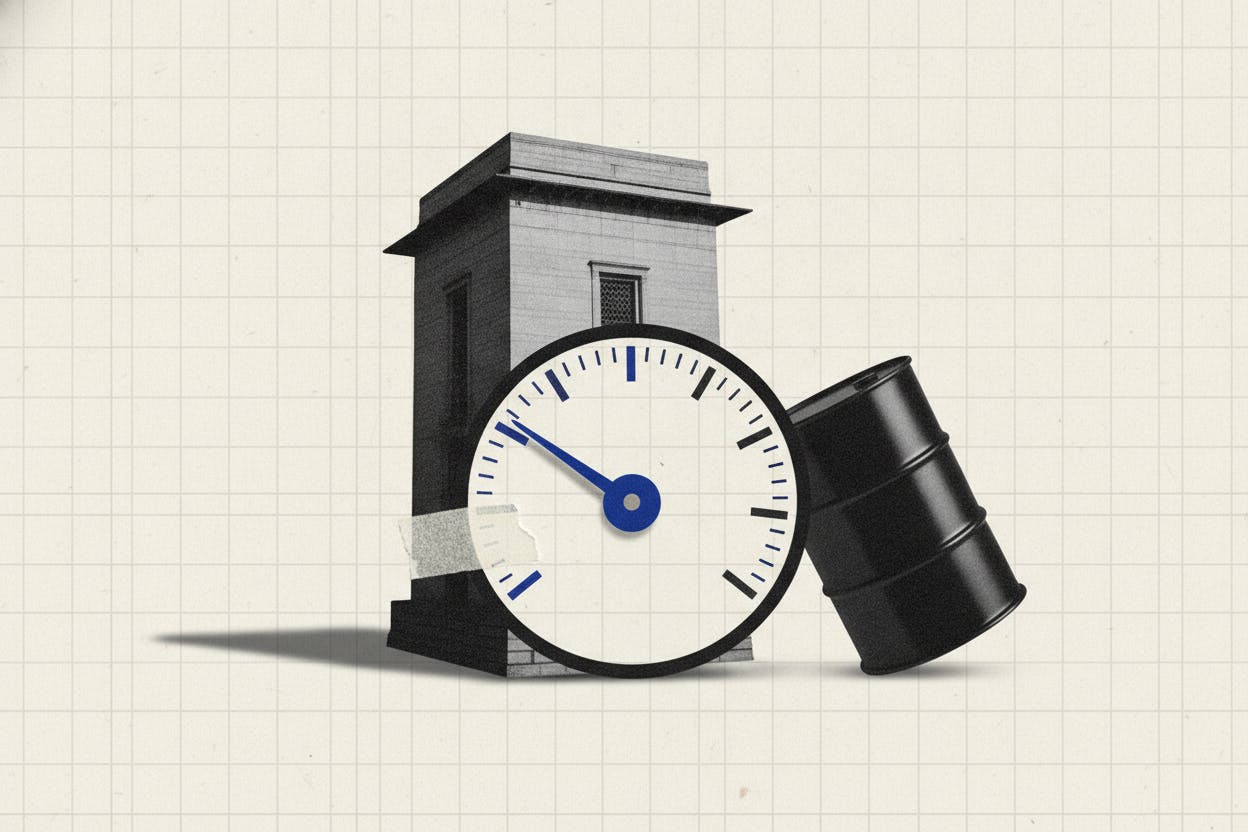
The Reserve Bank of India (RBI) left its benchmark interest rate unchanged at 5.25% on [date], keeping its policy stance at “neutral” as it waits for clearer inflation signals. The decision, which matched market expectations, comes as rising oil prices threaten to complicate the central bank's path forward.
In its statement, the RBI said it needs to see more data before making any move, highlighting that inflation remains the key focus. The “neutral” stance means the central bank is not leaning toward either a rate cut or a hike—the next move will depend entirely on how the data unfolds.
Why oil prices matter
The biggest swing factor for India's monetary policy right now is crude oil. India imports the vast majority of its oil, so when global prices rise, the cost of fuel, transportation, and many goods and services goes up. That can feed directly into inflation, which the RBI is tasked with keeping under control.
If oil prices stay elevated or climb further, they could push inflation above the RBI's comfort zone. In that scenario, the central bank would likely hold rates higher for longer, or even consider a hike. Conversely, if oil prices cool and inflation stays benign, the door opens for rate cuts down the line.
The RBI's decision to pause and wait is a classic example of a central bank in “data-dependent” mode. Rather than committing to a direction, it is giving itself room to react to incoming numbers, especially the next inflation print.
What this means for investors
For everyday investors, the RBI's hold is largely a non-event in the short term—rates staying put means borrowing costs for home loans, car loans, and business credit remain unchanged for now. But the bigger picture matters for portfolios.
If oil prices keep rising, it could squeeze corporate margins in sectors like airlines, logistics, and consumer goods, which rely heavily on fuel and transportation. On the flip side, energy companies and oil marketing firms could benefit from higher crude prices. Investors often watch oil as a leading indicator for inflation and, by extension, for central bank policy.
The RBI's neutral stance also means that fixed-income investors—those holding bonds or debt funds—should not expect a quick shift in yields. A rate cut would typically boost bond prices, but with the central bank on hold, bond markets are likely to stay range-bound until clearer signals emerge.
Global context
India is not alone in this cautious approach. Central banks around the world are grappling with similar trade-offs between supporting growth and containing inflation. The U.S. Federal Reserve and the European Central Bank have also signaled that they are in no rush to cut rates, as inflation remains sticky in many economies.
For emerging markets like India, the global backdrop matters because higher U.S. interest rates tend to attract capital away from riskier assets, putting pressure on currencies like the rupee. A stable rupee is important for keeping imported inflation in check, so the RBI will be watching global oil prices and the dollar closely.
What to watch next
The key date for investors is the next inflation report, which will give the RBI the data it says it needs. If inflation comes in below expectations, the market may start pricing in a rate cut later this year. If it surprises to the upside, the “neutral” stance could shift toward a hawkish tilt.
Oil markets will also be in focus. Any major supply disruption or geopolitical escalation could send prices higher, forcing the RBI to reassess its path. Conversely, a sharp drop in crude would ease inflation pressures and give the central bank more room to support growth.
For now, the message from the RBI is clear: patience. The central bank is willing to wait for more clarity before making its next move, and investors should be prepared for a period of stability in rates, with oil prices as the wildcard that could change everything.