India's government bond rally lost steam this week after the Reserve Bank of India (RBI) warned that food inflation is becoming more widespread, not just a temporary blip. With Brent crude oil still hovering near $95 a barrel, traders are scaling back hopes for an early interest rate cut, and the yield on the benchmark 2036 bond is now expected to drift toward 7.15%-7.20%.
What's driving the caution?
Food prices are a heavyweight in India's inflation basket, accounting for nearly half of the consumer price index. When food costs spike, they can quickly push overall inflation above the central bank's comfort zone. In its monthly bulletin, the RBI noted that early November data—through the 19th—showed broad-based pressure in staples like cereals and pulses. That follows a weak monsoon season that helped push inflation above the RBI's 6% upper tolerance limit in October.
The concern is whether these price increases are a one-off shock or a sign of something more persistent. If food inflation spreads to other goods and services, it could force the RBI to keep interest rates higher for longer, which would be a headwind for bond prices.
At the same time, oil prices remain elevated. Brent crude near $95 a barrel raises India's import bill and fuels transportation and fuel costs, adding another layer of inflationary pressure. For a country that imports most of its oil, high crude prices are a double-edged sword: they hurt the economy and complicate the central bank's job.
What does this mean for bond investors?
For everyday investors, the key takeaway is that the bond market's recent optimism may have been premature. Earlier this year, falling inflation and expectations of a policy pivot had fueled a rally in Indian government bonds. But the RBI's warning suggests that the path to lower rates is not as clear-cut as many hoped.
When bond yields rise, bond prices fall. So if the 2036 bond yield drifts toward 7.15%-7.20% as traders expect, that means the recent price gains could be given back. For investors holding bond funds or individual government securities, this is a reminder that interest rate expectations are a major driver of returns.
The RBI's next policy decision is scheduled for December 4, and all eyes will be on how the central bank balances its inflation mandate with the need to support economic growth. If food inflation continues to spread, the RBI may hold rates steady for longer, which would keep yields elevated. On the other hand, if price pressures ease, there could be room for a more dovish stance.
Broader market context
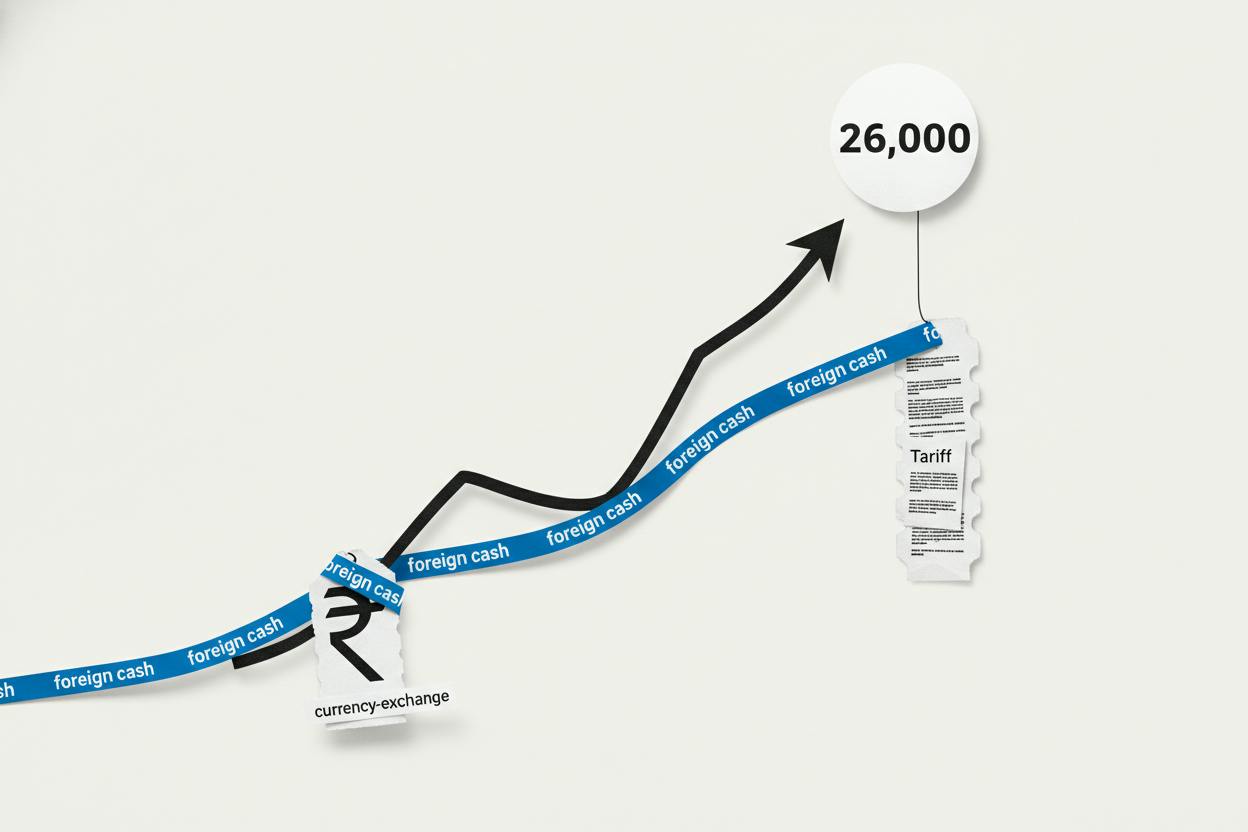
India's bond market has been a bright spot for global investors, with record foreign inflows helping push the Nifty stock index toward 26,000. But the latest inflation warning is a reminder that the economic backdrop remains uncertain. As foreign inflows have surged, partly on hopes of policy easing, any disappointment on the inflation front could trigger a pullback.
Globally, central banks are wrestling with similar challenges. In the US, growth was revised up but core inflation remains sticky, while in Australia, hot inflation has dimmed rate-cut hopes. The RBI's stance is part of a broader trend where central banks are cautious about declaring victory over inflation.
What to watch next
Investors should keep an eye on two things: the trajectory of food prices and the movement of oil. If monsoon-related supply disruptions ease and food inflation moderates, the RBI could signal a more accommodative stance. But if oil prices stay high and food pressures broaden, the central bank may have no choice but to keep rates on hold.
For now, the bond market is adjusting to the reality that rate cuts are not imminent. The 2036 bond yield drifting toward 7.15%-7.20% reflects that adjustment. For investors, this means staying patient and not chasing yield in the expectation of a quick policy pivot. As always, diversification and a long-term perspective remain the best tools for navigating uncertainty.