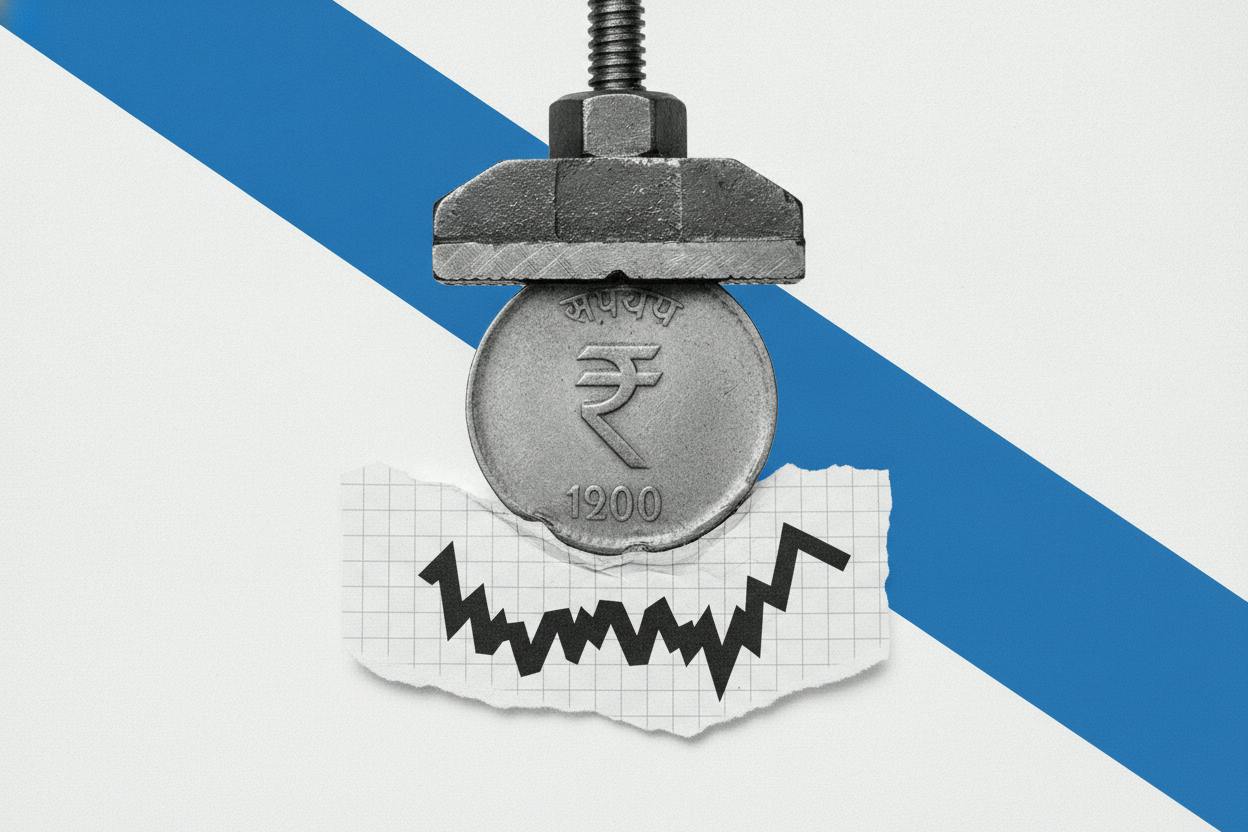
The Reserve Bank of India (RBI) is stepping up its defense of the rupee, tightening monetary policy on multiple fronts after the currency slid about 6% this year and touched record lows. The central bank raised interest rates this month for the first time in four years, then followed up by draining cash from the banking system and tightening rules around large foreign-exchange hedges.
According to Reuters, the RBI is also considering a larger 50-basis-point rate hike at its December policy review. A basis point is one-hundredth of a percentage point, so a 50-basis-point move would be double the size of the increase delivered this month.
Why the RBI is acting now
The rupee's decline has been driven largely by a strong US dollar, as the Federal Reserve keeps interest rates elevated to fight inflation. A weaker rupee makes imports more expensive, which can feed into domestic inflation—a key concern for the RBI, whose primary mandate is price stability.
By raising rates, the RBI aims to make Indian assets more attractive to foreign investors, which can support the currency. But rate hikes also slow economic growth by making borrowing costlier for businesses and consumers. The central bank is walking a tightrope between supporting the rupee and not choking off growth.
The RBI's decision to drain liquidity from the banking system—through bond sales and tighter reserve requirements—is another tool to mop up excess cash. Less cash in the system tends to push up short-term interest rates, which can also help defend the currency.
What the new FX hedging rules mean
The RBI also tightened rules around large foreign-exchange hedges, making it more expensive for traders to bet against the rupee. Hedging is a way for companies and investors to protect themselves against currency swings, but the new rules are aimed at curbing speculative positions that add pressure on the currency.
These steps come after a period of turbulence in the forwards market, where currencies are traded for future delivery. The RBI has previously had to clarify its hedging rules after market turmoil, and this latest move is part of a broader effort to reduce volatility.
What it means for investors
For everyday investors, the RBI's actions have several knock-on effects. Higher interest rates can translate into better returns on fixed-income instruments like bank fixed deposits and government bonds. However, they also make loans—such as home and car loans—more expensive, which can weigh on consumer spending and corporate profits.
A steadier rupee is generally positive for foreign investors holding Indian assets, as currency swings can eat into returns. It also helps contain imported inflation, which is good for the overall economy. But the path ahead is uncertain, and much depends on global factors like the US dollar's strength and oil prices.
Investors will be watching the RBI's December meeting closely. If the central bank delivers a 50-basis-point hike, it would signal a more aggressive stance to defend the currency. That could lead to further volatility in bond markets and equities.
In the meantime, the RBI's liquidity-draining measures are likely to keep short-term interest rates elevated, which could affect money market funds and short-term debt instruments. For those with exposure to Indian equities, the focus will be on how companies manage higher borrowing costs and whether the currency stabilizes.
The RBI's actions are part of a broader global trend of central banks tightening policy to combat inflation and support their currencies. As the US dollar remains strong, other emerging-market central banks are facing similar pressures.
For now, the RBI is signaling that it will do what it takes to steady the rupee, even if that means more pain for borrowers and slower growth. The coming months will test whether these measures are enough to restore confidence in the currency.