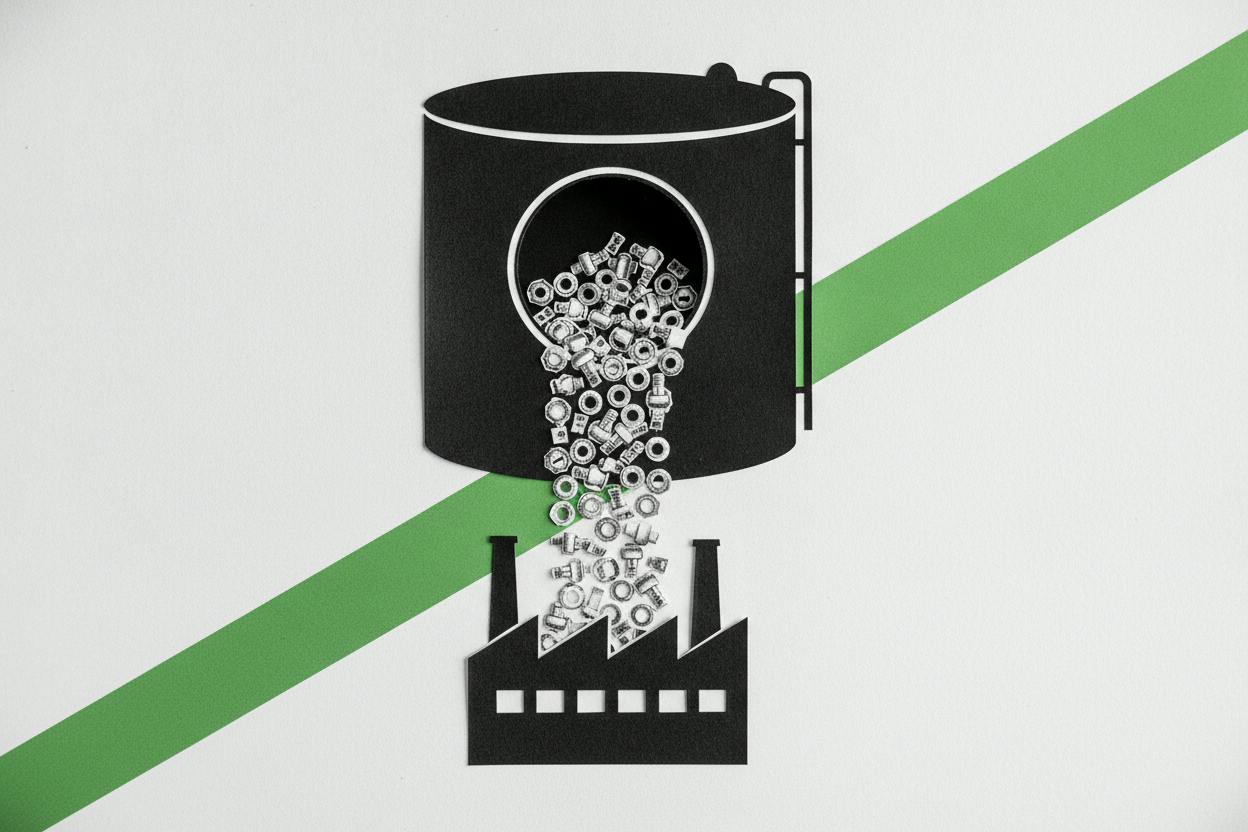
Reliance Industries, India's largest conglomerate by market value, is drawing up plans for a major coal-to-gas project in the southern state of Andhra Pradesh. A draft memorandum of understanding seen by Reuters outlines a two-phase investment worth 430 billion rupees (roughly $5 billion), with the bulk of that spending tied to successful early trials and regulatory approvals.
The project would convert coal into synthetic gas, a process that has drawn renewed interest in India as the country seeks to reduce its reliance on imported natural gas and cut emissions from burning coal directly. For Reliance, the move fits a broader pattern of investing in energy transition technologies while still leveraging its strengths in traditional hydrocarbons.
What the two-phase plan looks like
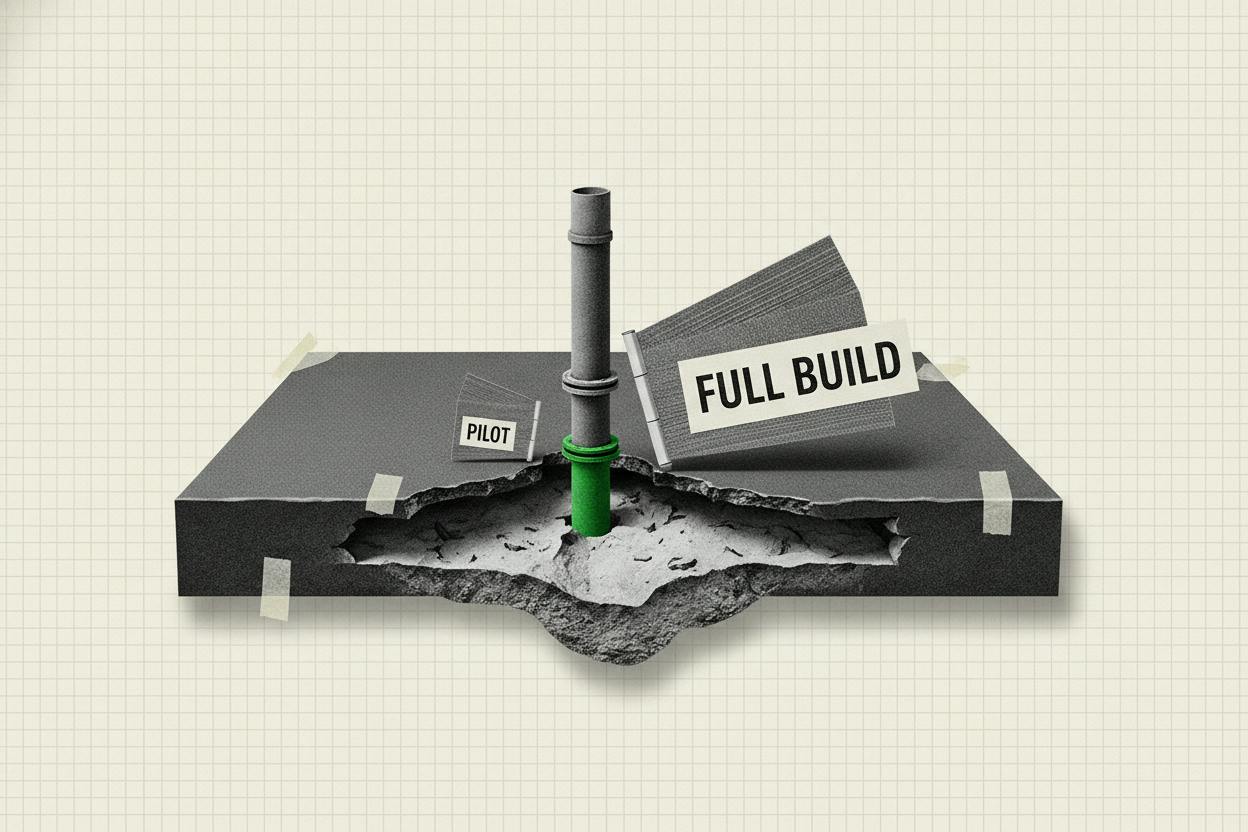
Under the draft agreement, the first phase would be a smaller-scale operation designed to test the technology and prove its commercial viability. Only if those trials meet expectations and the necessary permits come through would Reliance proceed with the larger second phase, which could make the project one of the largest industrial builds in Andhra Pradesh.
This staged approach is common for capital-intensive projects in emerging industries, where the upfront costs are high and the technical risks are significant. By conditioning the big-ticket spending on early results, Reliance limits its downside if the technology underperforms or if market conditions shift.
The 430 billion-rupee figure is substantial even for a company of Reliance's size. For context, it is roughly equivalent to the annual capital expenditure budget of many large Indian firms. The company has not publicly confirmed the project, and the draft MoU is not a binding commitment, so the final scale and timeline remain uncertain.
Why coal-to-gas matters
Coal gasification—turning coal into a combustible gas—is not a new idea, but it has gained traction in India as a way to use the country's abundant coal reserves more cleanly. The gas can be used for power generation, as a feedstock for chemicals and fertilizers, or as a substitute for imported natural gas.
India is the world's second-largest coal producer and importer, and its energy demand is growing rapidly. The government has been pushing for greater use of coal gasification to reduce import bills and lower the environmental impact of coal use. However, the technology is expensive and has a mixed track record globally, with some projects struggling to achieve profitability.
For Reliance, the project would be a bet on that technology maturing. The company already operates one of the world's largest refining complexes at Jamnagar, and it has been investing heavily in new energy businesses, including solar manufacturing and green hydrogen. A successful coal-to-gas venture would add another pillar to its energy portfolio.
What it means for investors
For everyday investors, the key takeaway is that this is an early-stage plan, not a done deal. The draft MoU is a signal of intent, but the actual spending will depend on technical and regulatory hurdles that could take years to clear.
Investors should watch for a few things. First, whether Reliance formally announces the project and secures the necessary approvals. Second, how the trials perform—if the first phase runs into problems, the larger investment may never materialize. Third, the broader policy environment in India, which has been supportive of coal gasification but could change with new regulations or shifts in energy priorities.
Reliance's stock is widely held by both institutional and retail investors, and large capital projects can influence sentiment. But this particular plan is unlikely to move the needle in the near term, given its conditional nature. As with any major industrial undertaking, the risks are real: cost overruns, technology failures, and changing market dynamics could all derail the project.
That said, the project underscores Reliance's ambition to stay at the forefront of India's energy transition. The company has the balance sheet to absorb setbacks, and its track record in executing large projects is strong. For investors, it is one more reason to keep an eye on how the conglomerate's energy strategy evolves.
In the meantime, the broader energy sector continues to see activity, from coal projects being reworked to mining companies seeking partners for new ventures. The push for cleaner energy is reshaping investment decisions across the globe, and India is no exception.