Asia-Pacific airlines are at a financial crossroads. As older, cheaper fuel hedges roll off, carriers must decide whether to lock in new protection at current prices—where jet fuel still hovers around $148 a barrel. That's a far cry from the levels seen earlier this year, and the decision carries big implications for their bottom lines.
Executives gathered at the Association of Asia Pacific Airlines (AAPA) annual meeting in Kuala Lumpur described the situation as a tough call. Contracts signed six to eight months ago, when fuel was cheaper, are expiring. Replacing them means accepting significantly higher costs, which could squeeze margins just as travel demand remains strong.
Fuel costs are eating a bigger slice of the pie
AAPA director general Wong Hong highlighted the scale of the problem: fuel now accounts for roughly 33% of operating costs for the region's carriers. That's up from the International Air Transport Association's estimate of 25% last year. The jump means even modest swings in oil prices can hit profits quickly and hard.
For context, fuel is typically an airline's largest or second-largest expense, alongside labor. When prices rise, carriers have limited options: pass costs to passengers through higher fares, absorb them and accept thinner margins, or hedge—buying contracts that lock in future fuel prices to reduce uncertainty.
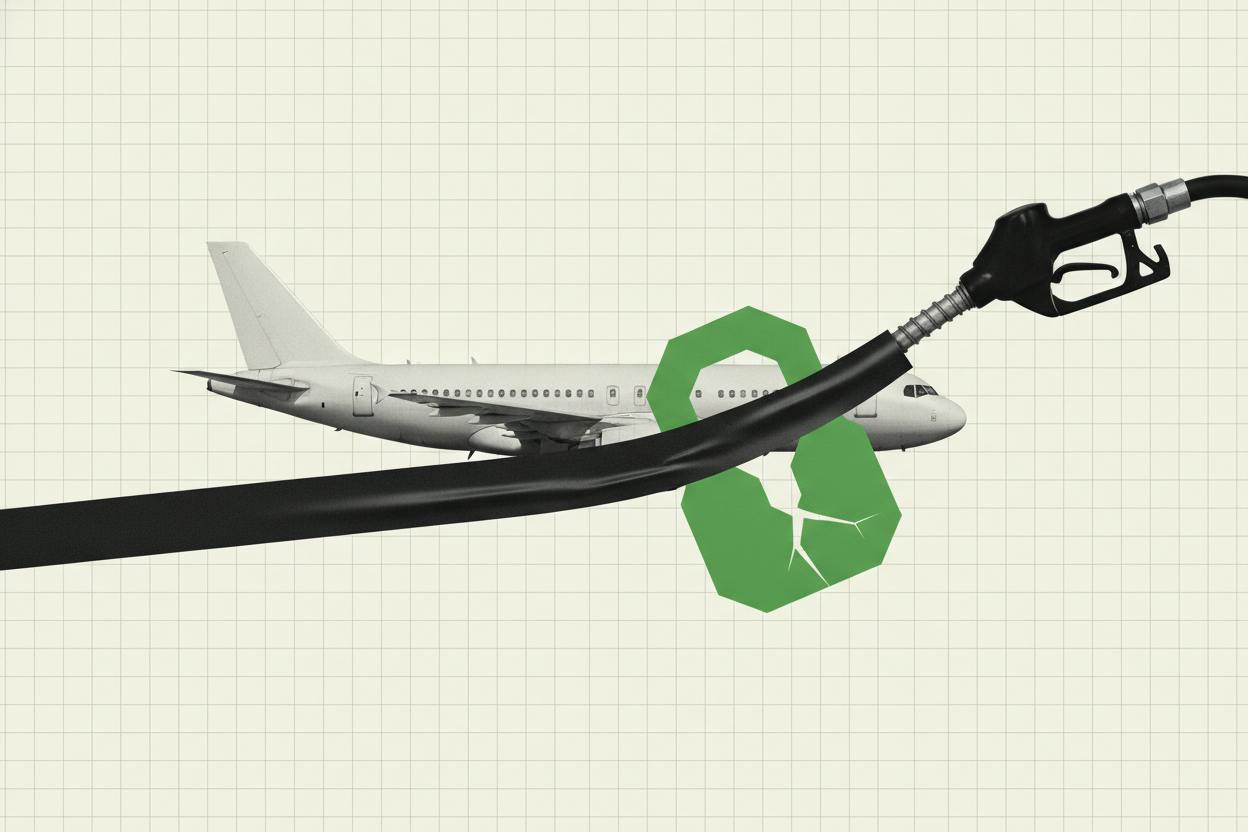
Hedging is a double-edged sword. It can protect against price spikes, but if prices fall, airlines end up paying above-market rates. The current dilemma is that locking in at $148 a barrel could look smart if prices keep climbing, or costly if they drop. That's why executives are calling it a tough call.
What this means for investors
For everyday investors, the fuel-hedging decision is a key indicator of how airlines' profits will trend in the coming quarters. Airlines that hedge aggressively may see more stable earnings, but they risk missing out if fuel prices fall. Those that stay unhedged are more exposed to volatility, which can lead to surprise losses or gains.
The pressure is already visible. Singapore Airlines' profit slid 44% as jet fuel costs surged, a stark reminder of how quickly fuel can erode earnings. Similarly, Ryanair's fare rebound may not cover 2028 fuel costs, according to one analyst, underscoring the long-term challenge.
Fuel costs also affect ticket prices. If airlines pass on higher costs, travelers may see pricier fares, which could dampen demand. That's a delicate balance for an industry still recovering from the pandemic.
The broader context
The fuel-price environment is shaped by global factors: geopolitical tensions, production decisions by major oil exporters, and economic growth. Jet fuel prices track crude oil but often move more sharply due to refining capacity and seasonal demand.
For Asia-Pacific carriers, the stakes are particularly high. The region is home to some of the world's busiest international routes, and competition is fierce. Airlines that manage fuel costs well can gain a competitive edge, while those that stumble may see their shares suffer.
Investors should watch how airlines describe their hedging strategies in earnings calls and annual reports. A shift toward more hedging could signal management's view that fuel prices will stay high. A move away might suggest they expect a pullback.
It's also worth noting that fuel costs aren't the only factor. Labor, maintenance, and airport fees all play a role. But fuel is the most volatile, and its impact on profits is immediate.
What to watch next
In the coming months, watch for announcements from major Asia-Pacific carriers about new hedging positions. Also keep an eye on oil price trends and any OPEC+ decisions that could influence jet fuel costs.
For now, the industry is in a holding pattern. As one executive put it, the decision is a gamble either way. For investors, understanding that gamble is key to assessing airline stocks.
Fuel hedging is just one piece of the puzzle, but it's a big one. As the old contracts expire, the choices airlines make now will shape their financial results for the next year or more.