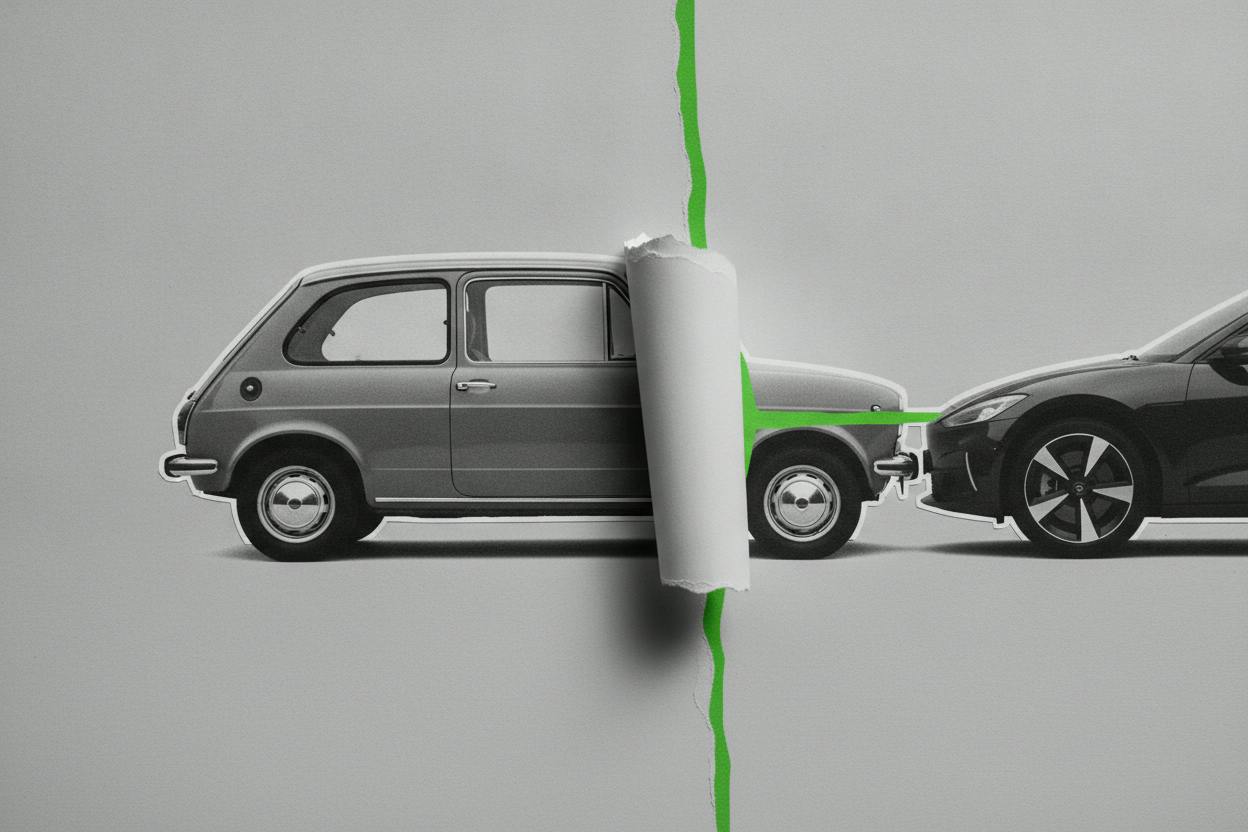
European automakers are betting that nostalgia can sell electric cars. Renault's new electric version of its iconic 5 model is now the best-selling mid-sized EV in Europe, according to recent sales data. The move is part of a broader trend among legacy carmakers to revive familiar nameplates as they face intensifying competition from cheaper Chinese brands.
The nostalgia playbook
Renault isn't alone in dusting off old favorites. Several European manufacturers are re-releasing classic models with electric powertrains, hoping that the emotional connection drivers have with these names will translate into showroom traffic. The strategy is simple: in a market crowded with new EV models, a recognizable badge can cut through the noise.
The Renault 5, originally a best-selling hatchback in the 1970s and 1980s, has been reborn as a compact electric car. Its retro styling, modern tech, and relatively affordable price have resonated with buyers. The model's success is a bright spot for Renault, which has been working to accelerate its EV transition.
Other automakers are following suit. For example, the Fiat 500, Mini Cooper, and Volkswagen's upcoming ID. Buzz (a modern take on the classic Microbus) all lean on heritage to attract buyers. The idea is that familiar designs can ease the switch to electric for consumers who might otherwise be hesitant.
The Chinese challenge
The push comes as Chinese EV makers like BYD and Geely expand aggressively into Europe. These brands offer well-equipped electric cars at prices that undercut many European models. Their growing presence has put pressure on legacy automakers to differentiate—not just on price, but on brand appeal.
European automakers have responded with a mix of strategies. Some are cutting prices, while others are focusing on premium features or unique designs. The nostalgia approach is another way to stand out, leveraging decades of brand equity that Chinese newcomers can't easily replicate.
However, the competitive landscape remains tough. As the Paris Auto Show highlighted, European policymakers and manufacturers are wrestling with how to handle the influx of Chinese EVs. Tariffs and trade barriers are one option, but they don't solve the underlying challenge of making European EVs more competitive.
What it means for investors
For investors, the success of models like the Renault 5 offers a glimpse into how European automakers are navigating the EV transition. It suggests that brand heritage can be a valuable asset in a crowded market. But it also raises questions about long-term profitability, especially if automakers have to keep prices low to compete.
Renault's EV sales have been climbing, and the company recently reported that its EV share hit a record 60% in France as fuel prices climbed. That momentum is encouraging, but investors will be watching whether the company can sustain it against cheaper rivals.
The broader European auto sector has been under pressure, with stock movements often tied to oil prices and earnings expectations. Automakers are also dealing with supply chain issues, regulatory pressures, and the high cost of transitioning to electric.
For everyday investors, the key takeaway is that the EV market is becoming more competitive, and not all automakers will emerge as winners. Companies that can combine strong brands with cost-effective production may have an edge. But the threat from Chinese competitors is real, and it's likely to keep margins under pressure.
As some analysts have noted for US automakers, pricing power is crucial. If European automakers can maintain pricing power through nostalgia and brand loyalty, they might be able to weather the storm. But if they have to match Chinese prices, profitability could suffer.
Investors should also keep an eye on how European automakers adapt their strategies. The revival of old icons is just one piece of the puzzle. The real test will be whether these models can generate sustainable sales and profits in the long run.
Looking ahead
The next few quarters will be telling. European automakers are expected to launch more retro-inspired EVs, and their sales performance will be closely watched. Meanwhile, Chinese brands are likely to continue their expansion, possibly with new models and aggressive pricing.
For now, the Renault 5's success is a positive sign for the nostalgia strategy. But it's too early to declare victory. The EV market is evolving rapidly, and automakers will need to keep innovating—both in design and in cost—to stay ahead.
For investors, the story is about more than just one car model. It's about how established companies are adapting to a disruptive shift in the auto industry. Those that succeed could offer solid returns, while those that stumble may face significant challenges. As always, diversification and a long-term perspective are wise.