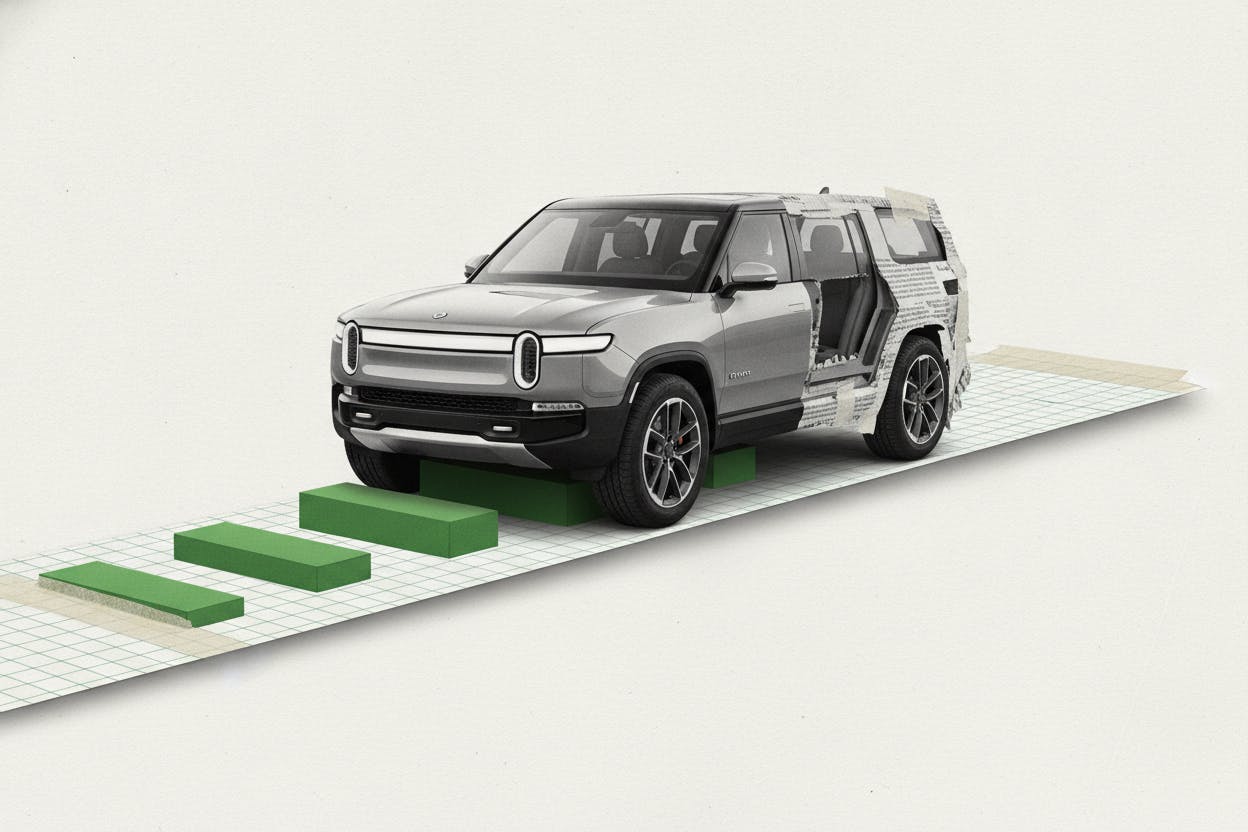
Electric vehicle maker Rivian has lifted its 2026 delivery forecast to between 65,000 and 70,000 vehicles, citing stronger-than-expected second-quarter deliveries and early momentum for its new, more affordable R2 model. The update, reported by Reuters, marks a vote of confidence in the company's ability to expand beyond its premium R1 lineup and commercial delivery vans.
Rivian delivered 12,194 vehicles in the second quarter, a 14% increase from the same period last year. That performance, combined with early demand for the R2, prompted management to raise its outlook. The R2, which began production in April, is a lower-priced SUV designed to attract a wider range of buyers at a time when affordability has become a key hurdle for the EV industry.
Why the R2 matters
The R2 is Rivian's attempt to move beyond its niche as a maker of high-end electric trucks and SUVs. The R1T pickup and R1S SUV start around $70,000, putting them out of reach for many households. The R2 is expected to start at roughly $45,000, a price point that could open up a much larger customer base.
That shift comes at a critical moment. Federal EV tax credits expired last year, removing a key incentive that helped lower the effective price of many electric vehicles. Automakers across the industry have been forced to compete more aggressively on price, and Rivian's R2 is its answer to that pressure.
Rivian's updated forecast suggests the company sees enough demand to keep scaling production of the R2 while maintaining output of its existing models. The company also produces electric delivery vans for Amazon, which remain a steady revenue stream.
What it means for investors
For investors, Rivian's raised forecast is a signal that the company's bet on a more affordable model is gaining traction. The EV market has been volatile, with some legacy automakers pulling back on electric vehicle investments amid slowing demand. Rivian's ability to boost its delivery outlook suggests it may be finding a sweet spot in the market.
However, the company still faces significant challenges. Rivian has yet to turn a profit, and scaling production of the R2 will require heavy capital spending. The broader EV market is also under pressure from rising interest rates and shifting consumer preferences. Rivian's stock has been volatile, reflecting both optimism about its long-term potential and concerns about near-term profitability.
Investors should watch for updates on R2 production ramp-up and margins in the coming quarters. The company's ability to hit the upper end of its 65,000-70,000 delivery target will depend on smooth manufacturing and sustained demand.
Broader market context
Rivian's update comes amid a mixed picture for the auto industry. Tesla, the dominant EV maker, recently reported a delivery jump but saw its shares drop amid broader market concerns. Meanwhile, Chinese EV maker BYD saw overseas sales surge 95% in June, offsetting a 22% drop in domestic deliveries, as reported in our coverage of BYD's overseas sales surge.
The auto sector is also grappling with macroeconomic headwinds. The June jobs report missed expectations, sending mixed signals about consumer spending power, as detailed in our analysis of June jobs miss and Tesla's drop. Lower interest rates could boost auto demand, but the Federal Reserve has held rates steady, keeping borrowing costs high for car loans.
Rivian's focus on affordability aligns with broader industry trends. As EV tax credits fade, automakers are racing to lower prices. The R2's success could determine whether Rivian evolves from a niche player into a mainstream competitor.
What's next
Rivian will report full second-quarter earnings later this year, which will provide more detail on margins, production costs, and R2 order numbers. Investors will also be watching for any updates on the company's partnership with Amazon and its plans for future models.
The raised delivery forecast is a positive sign, but the road ahead remains uncertain. Rivian must execute on production, manage costs, and navigate a competitive landscape that includes both legacy automakers and well-funded startups. For now, the early R2 momentum gives the company a reason to be optimistic.