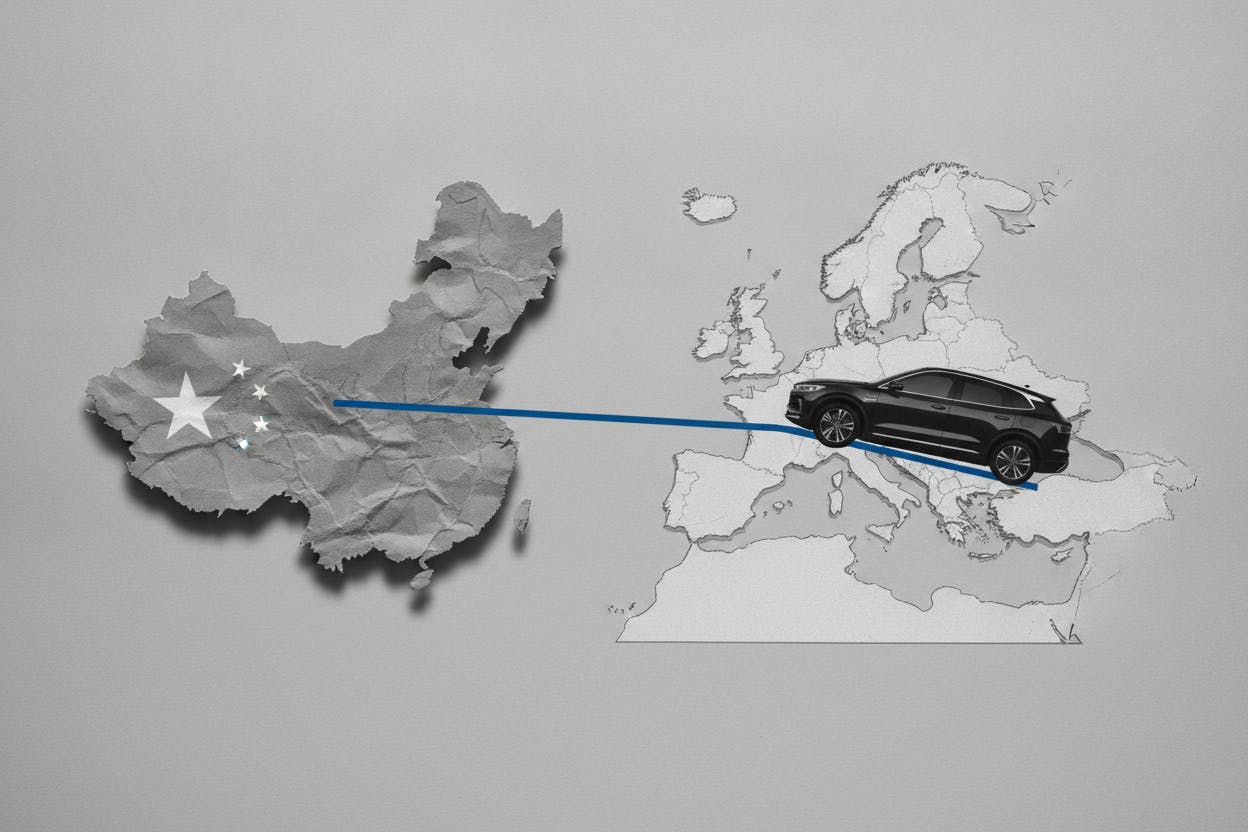
BYD, China's largest electric vehicle maker, reported a 5.5% year-on-year increase in global deliveries for June, reaching 403,472 vehicles. The growth was driven entirely by a near-doubling of overseas sales, which rose 94.7% to 175,349 units, according to a stock exchange filing cited by Reuters.
The strong export performance helped offset a 22% decline in China deliveries, as the domestic market continues to face intense price competition and softer consumer demand. This marks the second consecutive month of global growth for BYD, following a small gain in May that ended a prolonged stretch of declines.
Why Exports Are Becoming Critical for BYD
BYD's reliance on overseas markets reflects a broader trend among Chinese automakers. With the world's biggest EV market becoming increasingly crowded and price-sensitive, companies are looking abroad to sustain growth. The 94.7% jump in exports suggests BYD is successfully expanding its footprint in regions like Europe, Southeast Asia, and Latin America, where demand for affordable EVs remains strong.
However, the export push comes with challenges. Tariffs and trade barriers in key markets, such as the European Union's ongoing anti-subsidy investigation into Chinese EVs, could slow momentum. BYD's ability to navigate these headwinds will be closely watched by investors.
What It Means for Investors
For everyday investors, BYD's June numbers highlight a key shift in the EV landscape. The company's domestic struggles underscore the risks of relying on a single market, especially one as competitive as China. The export surge, while impressive, also introduces new uncertainties tied to geopolitics and trade policy.
Investors should monitor how BYD balances its home-market challenges with international expansion. The company's ability to maintain export growth without sacrificing margins will be critical. Additionally, broader trends in the auto industry, such as the rise of hybrids and changing consumer preferences, could influence BYD's strategy. For context, US car sales remained flat in Q2 as affluent buyers and hybrids offset higher gas prices, signaling that the global auto market is evolving in complex ways.
BYD's performance also ties into larger economic themes. The company's export growth is a bright spot for China's manufacturing sector, which has faced headwinds from weak domestic demand. Meanwhile, global investors are watching how trade tensions and currency fluctuations affect Chinese exporters. For example, South Korea's factory growth slowed in June as export orders dipped, highlighting the fragility of global trade.
Looking Ahead
BYD's June delivery data suggests that the company's international expansion is gaining traction, but the domestic slowdown remains a concern. Investors will be looking for signs of stabilization in China, as well as updates on new export markets and potential partnerships. The company's next earnings report will provide more clarity on profitability and margins.
For now, BYD's story is a reminder that even dominant players in fast-growing industries face headwinds. Diversification—whether by geography or product line—can be a powerful tool for managing risk. As the EV market matures, companies that successfully navigate these dynamics may offer the most compelling opportunities for long-term investors.