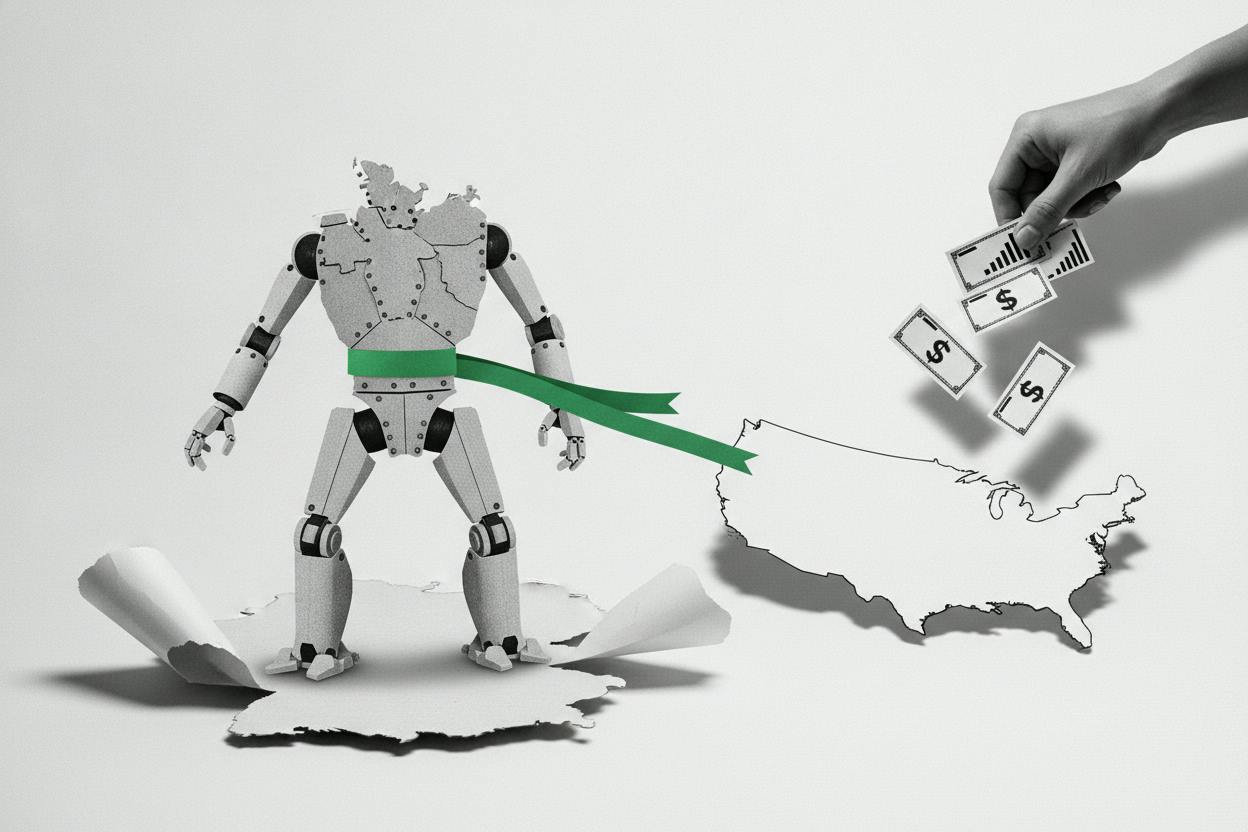
RobCo, a Munich-based robotics company, has crossed the $1 billion valuation mark, joining the ranks of so-called "unicorns." The milestone was confirmed through a secondary share sale that followed a $100 million funding round in January. In a related move, the company is relocating its CEO, Roman Hölzl, to the United States to concentrate on its most rapidly expanding market.
What is a secondary share sale?
Unlike a traditional funding round where a company issues new shares and receives cash to fuel operations, a secondary sale involves existing shareholders—often employees or early investors—selling their shares to new investors. The company itself doesn't receive the proceeds from these transactions. However, the price at which these shares change hands can set a new "headline" valuation for the company, reflecting what the market believes the business is worth.
According to reports, the secondary sale involved roughly $40 million worth of employee-held shares. This suggests that the $1 billion valuation was determined by investor demand for those existing shares, not by a fresh injection of capital into RobCo's coffers.
Why the US move?
RobCo's decision to shift CEO Roman Hölzl to the US underscores the company's strategic focus on the American market, which it identifies as its fastest-growing region. For a robotics firm, the US offers a large industrial base, a strong appetite for automation, and a deep pool of potential customers. By having its top executive on the ground, RobCo aims to accelerate its expansion and better serve its American clientele.
This move is not uncommon for European tech companies that see significant growth potential across the Atlantic. It allows for closer collaboration with US partners, quicker decision-making, and a stronger presence in a competitive landscape.
What it means for investors
For everyday investors, RobCo's unicorn status is a signal of the growing interest in robotics and automation. The sector has been attracting substantial investment as companies across industries look to improve efficiency and reduce labor costs. However, it's important to note that a secondary sale valuation doesn't necessarily mean the company has more cash to fund its operations—it mainly reflects the perceived value of its shares in the secondary market.
Investors should also consider that RobCo is a private company, so its shares are not available on public exchanges. The unicorn label is often a precursor to a potential initial public offering (IPO), but there's no guarantee that RobCo will go public soon. For those interested in the robotics space, keeping an eye on such private companies can provide insights into broader industry trends, but direct investment opportunities may be limited.
Broader market context
The robotics and automation sector has been a bright spot in the tech industry, with companies like chipmakers benefiting from AI buzz and increased demand for advanced manufacturing solutions. RobCo's valuation milestone comes at a time when investors are keenly watching technology and innovation-driven companies.
Meanwhile, global markets have been navigating a complex environment, with central banks like the Bank of Japan signaling potential rate hikes and inflation nearing targets. These macroeconomic factors can influence investor sentiment and the availability of capital for growth-stage companies.
What to watch next
Investors will likely monitor RobCo's progress in the US market and whether the company can sustain its growth trajectory. The relocation of its CEO suggests a strong commitment to capturing market share in North America. Additionally, any future funding rounds or potential IPO plans would be significant developments to watch.
For now, RobCo's unicorn status is a testament to the confidence investors have in the company's business model and the broader robotics industry. As the sector continues to evolve, it will be interesting to see how RobCo leverages its new valuation and leadership focus to drive long-term success.