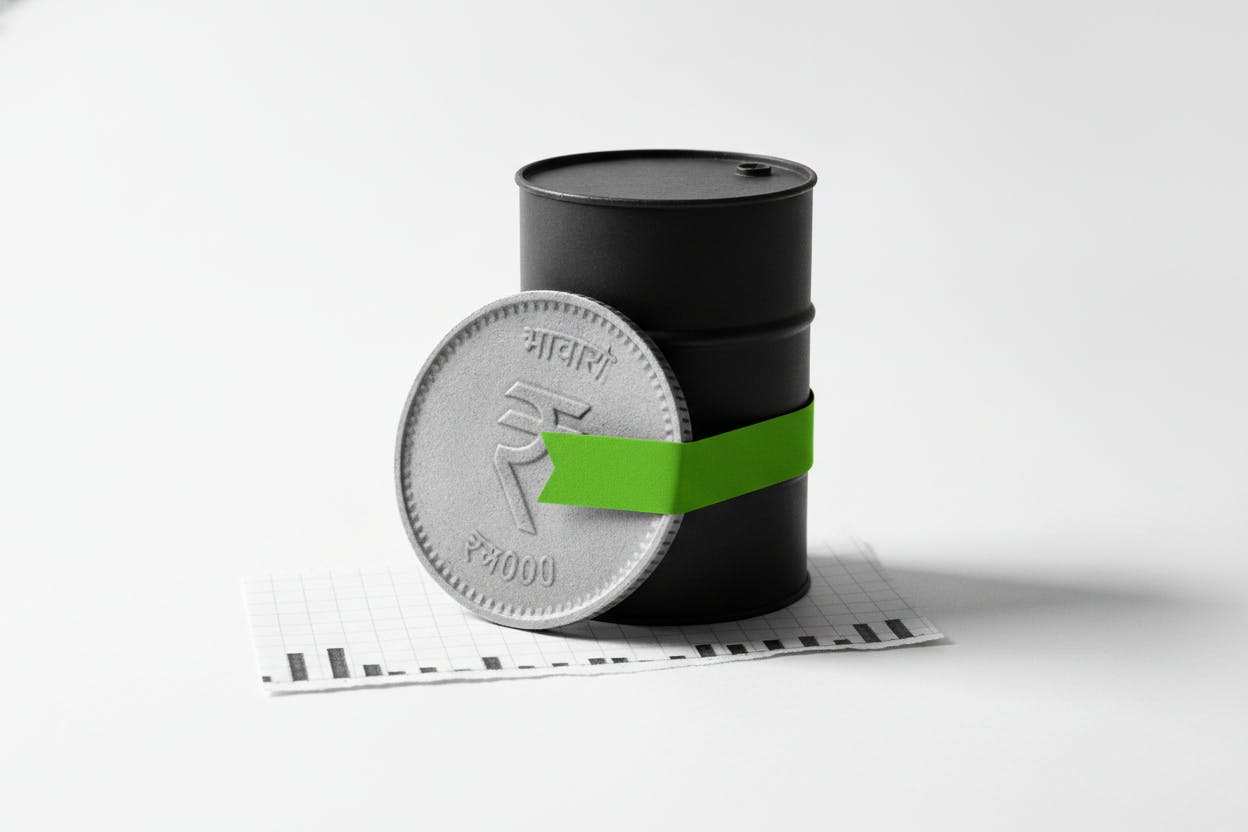
India's rupee has found its footing this week, helped by Brent crude staying below $80 a barrel and a wave of foreign capital inflows that have eased worries about another sharp slide in the currency. The steadier tone has also made the rupee more attractive for so-called carry trades, where investors borrow in a low-yielding currency to invest in a higher-yielding one.
What's driving the turnaround?
Earlier this year, the rupee came under pressure as higher oil prices and a strong US dollar widened India's trade deficit and increased the country's need for foreign funding. A weaker rupee makes imports more expensive and can add to inflation, which is why policymakers and investors watch it closely.
That pressure has cooled in recent weeks. According to Reuters, more than $40 billion in inflows tied to the Reserve Bank of India's June balance-of-payments measures had arrived by the end of July. These inflows—which include foreign investment in Indian stocks and bonds—help offset the dollar demand that typically weighs on the rupee.
At the same time, Brent crude has slipped below $80 a barrel. India imports most of its oil, so cheaper crude reduces the amount of dollars Indian companies and refiners need to buy. That takes a major source of demand for the US currency out of the market, giving the rupee more room to breathe.
Why carry trades matter
The combination of lower oil and steady inflows is particularly important for carry trades. In a carry trade, an investor borrows money in a currency with low interest rates—like the Japanese yen or the euro—and invests it in a currency with higher rates, such as the Indian rupee. The investor profits from the difference in interest rates, as long as the exchange rate doesn't move against them.
India's interest rates are relatively high compared with many developed economies, which makes the rupee a popular funding target for carry trades. But a currency that is depreciating quickly can wipe out those interest gains. When the rupee looked fragile earlier this year, carry trade investors were less willing to take the risk. Now that the currency is steadier, that risk has diminished, making the rupee more appealing again.
This dynamic can create a virtuous cycle: more carry trade inflows support the rupee, which in turn attracts even more inflows. But it can also reverse quickly if global conditions change—for example, if oil prices spike or the US dollar strengthens again.
What it means for investors
For everyday investors, a steadier rupee is generally a positive sign. It reduces uncertainty for companies that rely on imports, and it can help keep inflation in check by making imported goods cheaper. It also supports foreign investment in Indian markets, which can boost stock and bond prices.
However, the rupee's stability is not guaranteed. Oil prices remain a key risk—if Brent climbs back above $80, the currency could come under renewed pressure. Global interest rate decisions, especially from the US Federal Reserve, also matter. A stronger dollar tends to weaken emerging market currencies like the rupee.
Investors should also keep an eye on India's balance of payments and foreign exchange reserves. The Reserve Bank of India has been actively managing the currency, and its actions can influence the rupee's direction. Recent data showed India's forex reserves jumped by $10.5 billion to $692.9 billion, partly due to an RBI deposit drive, which provides a buffer against external shocks.
Looking ahead
The coming weeks will bring several events that could move the rupee. The RBI's rate decision is due on August 5, along with services PMI data and a busy day of Q1 earnings. These will give investors a clearer picture of the economy's health and the central bank's policy stance.
Oil prices will remain a focus. If Brent stays below $80, the rupee could continue to find support. But any sharp rally in crude—due to geopolitical tensions or supply disruptions—could quickly change the outlook.
For now, the rupee's steadier tone is a welcome relief after a volatile start to the year. But as always in currency markets, conditions can change fast. Investors should watch oil, dollar moves, and RBI policy for clues about whether this stability can last.