German utility RWE has brought private equity firm KKR into two UK offshore wind projects, a move that will help fund a roughly £12 billion buildout while keeping the company's 2026 earnings targets intact. The partnership underscores how major energy firms are increasingly turning to outside investors to share the heavy costs of large-scale renewable infrastructure.
What's happening
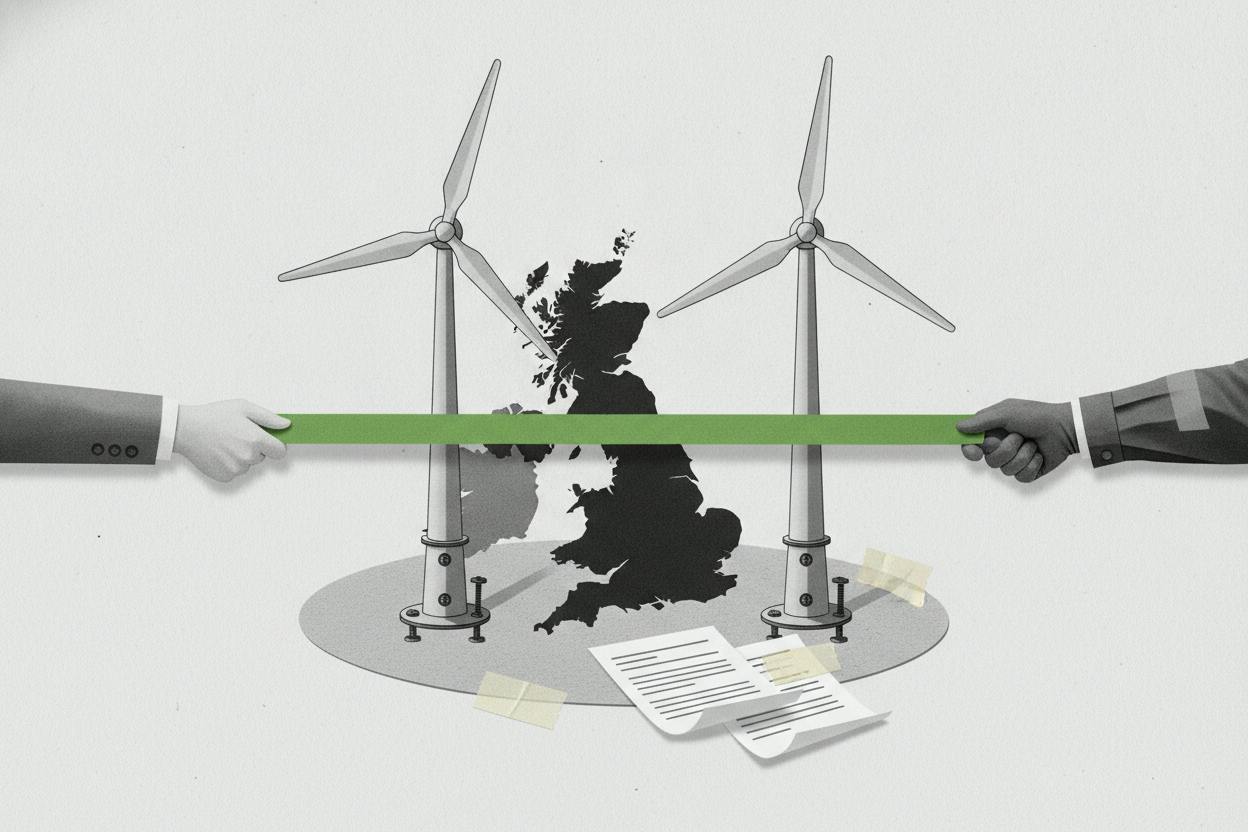
RWE said it will sell KKR a 50% equity stake in the Vanguard West and Vanguard East wind farms, turning them into a 50-50 joint venture. The two projects, located in the North Sea, will be developed, built, and operated by the partnership, including their transmission links. The total investment is expected to be around £12 billion.
This type of deal, sometimes called a "sell-down," allows RWE to reduce the amount of cash it must commit upfront. By bringing in a partner, the company can spread the financial risk and free up capital for other projects. For KKR, the deal offers a way to invest in long-term, regulated infrastructure with steady cash flows.
RWE also provided an update on its financial outlook, saying recent performance has it trending toward the high end of its 2026 forecasts. The company noted that reported results have been volatile, weighed down by fair-value swings and other one-off items, but underlying operations remain on track.
Why offshore wind needs partners
Offshore wind farms are among the most capital-intensive energy projects in the world. Building turbines, foundations, and undersea cables far from shore requires billions of dollars before a single megawatt is generated. That upfront cost, combined with long construction timelines, makes it difficult for any single company to finance multiple projects at once.
Utilities like RWE have responded by forming joint ventures with financial investors. These partnerships are common across the sector, with pension funds, insurers, and private equity firms stepping in to own stakes in operating or under-construction wind farms. For the financial partner, the appeal is predictable, inflation-linked returns over decades. For the utility, it means less strain on the balance sheet and more room to pursue other growth areas.
The UK is one of the world's largest markets for offshore wind, with the government setting ambitious targets to expand capacity. However, the sector has faced headwinds in recent years, including rising costs for materials and equipment, higher financing rates, and supply chain bottlenecks. Projects that were once considered highly profitable have seen margins squeezed, prompting some developers to delay or cancel plans.
By teaming up with KKR, RWE is signaling that it still sees value in the UK's offshore wind pipeline, but that it wants to share the burden. The joint venture structure also gives both parties a say in how the projects are managed, which can help align incentives and improve execution.
What it means for investors
For RWE shareholders, the deal is a positive sign on two fronts. First, it reduces the risk of cost overruns or delays on these specific projects, since KKR will share the financial exposure. Second, the company's reaffirmed guidance suggests that the sell-down won't hurt its earnings trajectory. RWE's 2026 targets, which it says are likely to land near the top of the range, give investors a clearer picture of what to expect.
For investors in KKR, the deal adds to a growing portfolio of infrastructure assets. Private equity firms have been raising large funds dedicated to energy transition projects, and this investment fits that theme. However, infrastructure investments are typically long-term and illiquid, so returns may take years to materialize.
For everyday investors, the story highlights a broader trend: the energy transition is expensive, and companies are finding creative ways to pay for it. Joint ventures, sell-downs, and other partnership structures are becoming standard tools for managing the financial demands of renewable energy. That means the risks and rewards of these projects are increasingly shared across a wider group of investors, not just the utilities themselves.
It's also worth noting that RWE's mention of fair-value swings and one-offs is a reminder that reported earnings for companies with large infrastructure portfolios can be noisy. Investors should look at underlying operational performance rather than headline numbers, especially when asset values fluctuate with interest rates and market conditions.
As the UK continues to push for more offshore wind capacity, deals like this one are likely to become more common. The challenge for policymakers and companies alike will be balancing the need for new energy sources with the financial realities of building them.