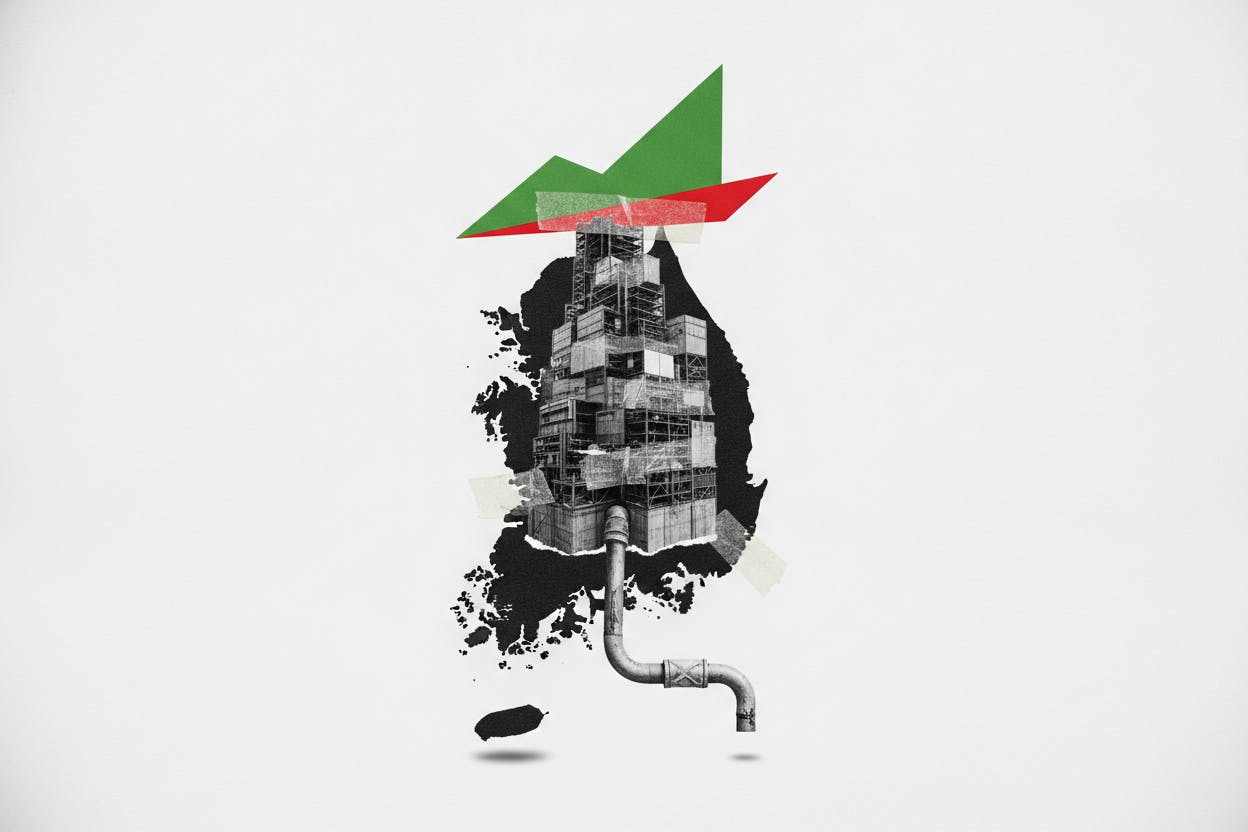
South Korea's two largest conglomerates, Samsung Group and SK Group, are expected to announce a joint semiconductor investment plan worth 2,000 trillion won (approximately $1.4 trillion) over the next decade, according to a report from Korea Economic Daily. The plan, tied to President Lee Jae Myung's industrial strategy, is set to be unveiled on Monday and includes the construction of multiple new fabrication plants (fabs), as well as expanded capacity for advanced chip packaging and NAND flash memory.
What's Behind the Mega-Investment?
The announcement comes as South Korea doubles down on its position as a global semiconductor powerhouse. The country's chip industry is a cornerstone of its economy, with Samsung and SK Hynix (part of SK Group) dominating the memory chip market. The investment aligns with President Lee's broader push to strengthen domestic supply chains and reduce reliance on foreign technology, particularly amid rising geopolitical tensions between the U.S. and China.
Semiconductors are critical for everything from smartphones and data centers to artificial intelligence (AI) and electric vehicles. By investing heavily in new fabs and packaging technology, South Korea aims to secure its lead in both memory chips and advanced logic chips, which are used in AI processors and other high-performance computing applications.
This is not the first time South Korea has signaled a massive chip push. Earlier this year, the government unveiled a $650 billion AI and chip plan to decentralize the economy beyond Seoul, as reported by Daily Digest Invest. The new 2,000 trillion-won plan appears to be a more detailed, private-sector-led roadmap under that umbrella.
What It Means for Investors
For everyday investors, this news underscores the long-term strategic importance of semiconductors—and the risks and opportunities that come with it. Samsung and SK Group are already dominant players, but this level of capital expenditure (capex) signals that they expect demand for chips to remain strong for years, especially from AI and cloud computing.
However, such massive investments also carry risks. Building new fabs is expensive and time-consuming, and there is no guarantee that demand will keep up with supply. The semiconductor industry is notoriously cyclical, with boom-and-bust cycles that can hit even the biggest players. Investors should watch for signs of oversupply, especially in memory chips like NAND, which have seen price swings in the past.
South Korea's chip exports have been a key driver of economic growth, but domestic demand remains weak, as noted in a recent Daily Digest Invest article. If global demand falters, the country's economy could feel the pinch.
Broader Market Context
The announcement comes at a volatile time for global chip stocks. South Korean chip stocks recently slid as AI-related volatility from the U.S. spilled over into Asian markets, as covered by Daily Digest Invest. In fact, South Korean stocks plunged 5.8% in a single day earlier this year as AI spending doubts hammered chip giants.
Despite these short-term swings, the long-term outlook for semiconductors remains bullish. AI, 5G, and the Internet of Things (IoT) are all driving demand for more powerful and efficient chips. By investing now, Samsung and SK Group are betting that the current AI-driven boom is more than just a bubble.
What to Watch Next
Investors should keep an eye on the specifics of the plan when it is announced on Monday. Key details to look for include the timeline for new fabs, the breakdown between memory and logic chip investment, and any government incentives or subsidies tied to the plan.
Also worth watching is how this investment affects the competitive landscape. Samsung and SK Group are already rivals, but they also cooperate on some fronts. A joint push could strengthen South Korea's hand against global competitors like Taiwan's TSMC and U.S.-based Intel.
For now, the message from Seoul is clear: semiconductors are a national priority, and the country's biggest companies are putting their money where their mouth is.