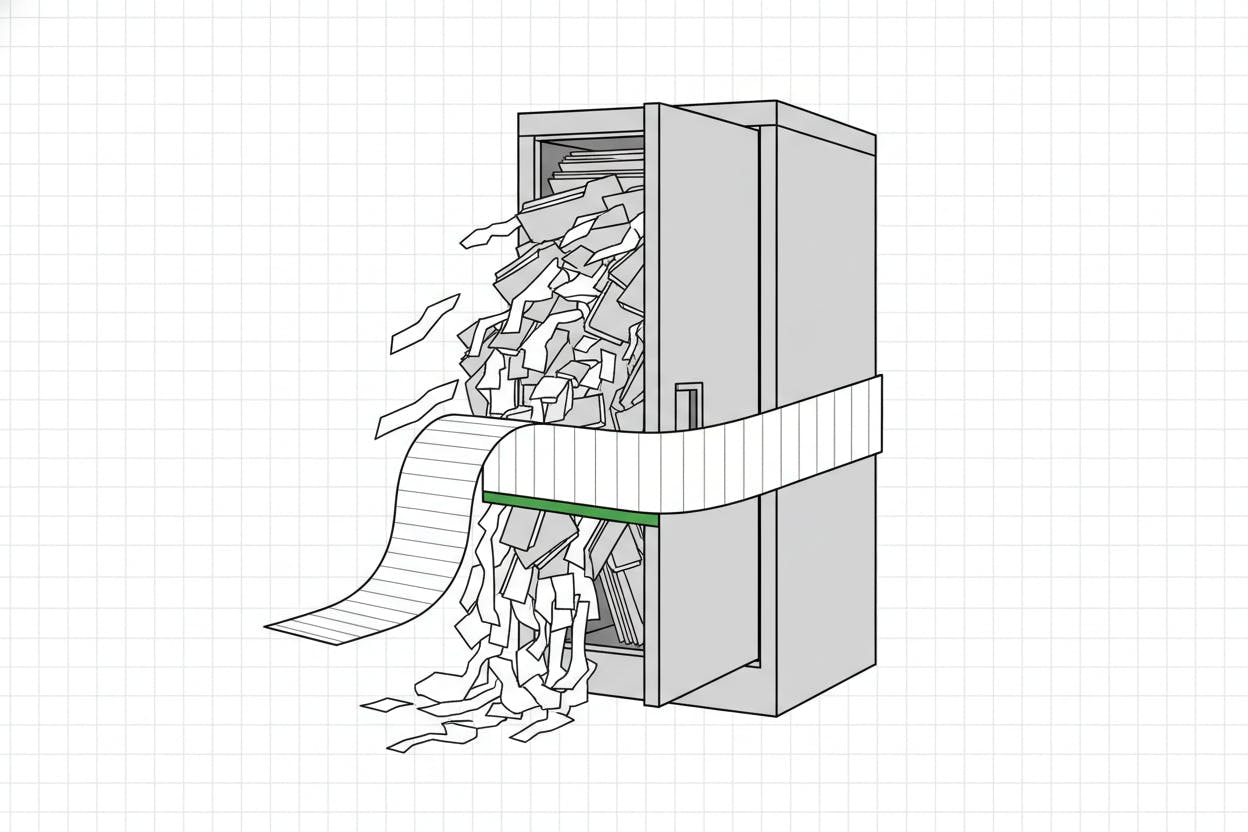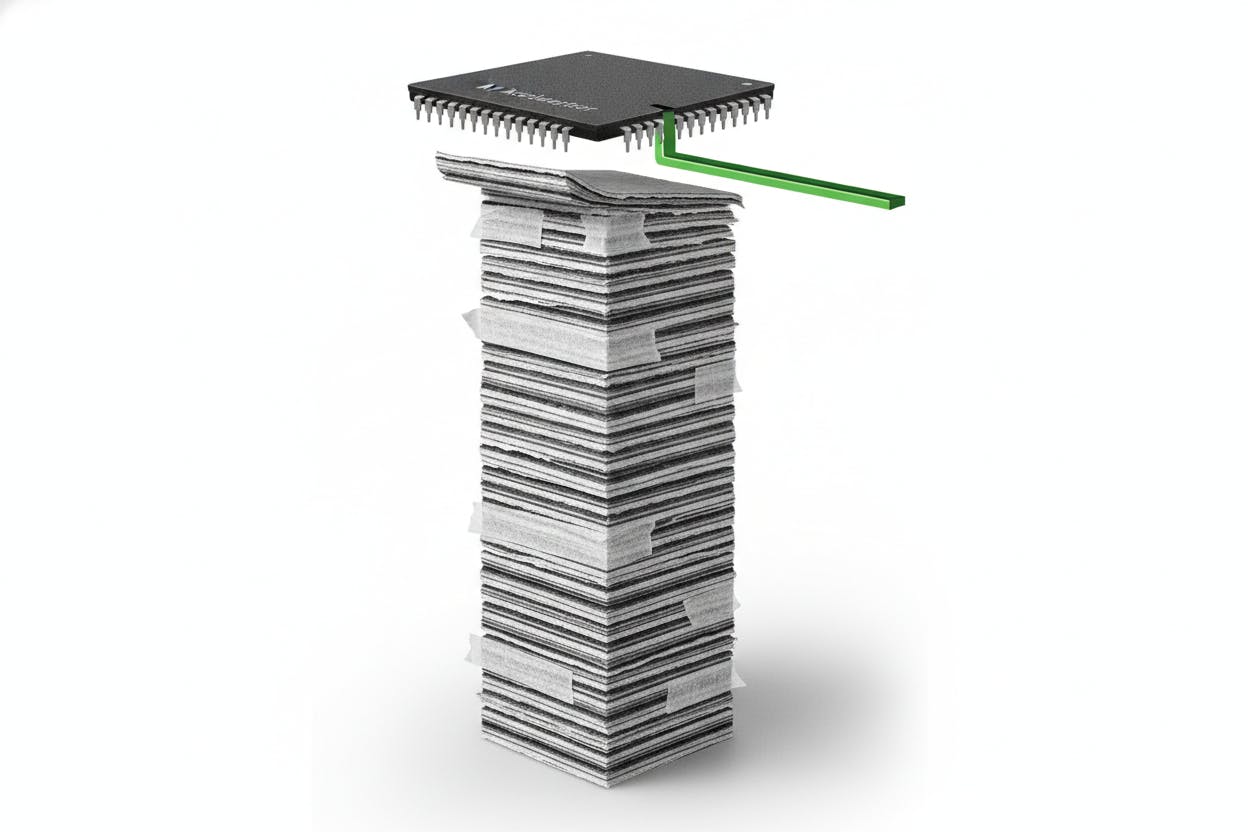
Samsung used the Future of Memory and Storage (FMS) conference in Santa Clara to showcase its latest advances in memory technology, including a prototype with more than 400 layers of NAND flash and a new approach to stacking high-bandwidth memory (HBM) that it says could cut energy use and speed up data movement for artificial intelligence workloads.
The company unveiled the V10 Bonding V-NAND prototype, which stacks over 400 layers of memory cells. NAND flash is the type of storage used in solid-state drives (SSDs), and adding more layers allows manufacturers to pack more storage capacity into the same physical space, potentially lowering the cost per gigabyte. Samsung's "Bonding V-NAND" refers to a manufacturing technique that bonds the memory layers directly, which can improve performance and reliability.
Alongside the NAND news, Samsung pitched "zHBM," a new way to stack high-bandwidth memory vertically. HBM is a specialized type of memory that sits close to AI processors, like those made by Nvidia, to feed them data at extremely high speeds. Currently, HBM is built by stacking memory chips horizontally and connecting them through a base layer. Samsung's zHBM concept would stack them vertically, which the company says could reduce the distance data has to travel, cutting energy consumption and boosting speed.
Why this matters for AI
AI models, especially large language models, require enormous amounts of data to be moved quickly between memory and processors. If the memory can't keep up, the processor sits idle, wasting time and energy. That's why memory technology has become a critical battleground in the AI boom, with companies like Samsung, SK Hynix, and Micron racing to produce faster, more power-efficient chips.
Energy use is a growing concern for data centers, which are already consuming significant amounts of electricity. Any improvement in memory efficiency could translate into lower operating costs for cloud providers and potentially lower prices for AI services. For everyday investors, this means the health of the memory market is increasingly tied to the broader AI trade.
Samsung's announcements come at a time when memory prices have been volatile. After a downturn, the industry has seen a recovery driven by AI demand, but the stock market has also been sensitive to any signs of weakness. Earlier this year, Samsung and SK Hynix shares slid even as chip exports remained strong, highlighting how investors are watching for any hiccup in the AI-driven cycle.
What it means for investors
For investors, the key takeaway is that Samsung is positioning itself to stay competitive in the high-end memory market, which is expected to grow as AI infrastructure spending continues. The company is not just relying on its existing product lines but is pushing the boundaries of what's possible in both NAND and HBM.
However, it's important to note that these are prototypes and previews, not products that are shipping today. It will likely take time for Samsung to bring the V10 NAND and zHBM to market, and there's no guarantee they will succeed commercially. Rivals are also working on similar technologies, so the competitive landscape could shift.
For those who own Samsung stock or funds that include it, the news is a positive signal about the company's R&D pipeline. But it's just one piece of a larger picture that includes memory pricing, demand from data center operators, and broader economic conditions. As with any technology announcement, the real test will be in the execution and the ability to turn these innovations into profitable products.
Investors should also keep an eye on how these developments affect the broader memory market. If Samsung's new technologies lead to more efficient and cheaper memory, it could benefit the entire AI ecosystem. Conversely, if the company stumbles, it could give an edge to competitors like SK Hynix, which has been a major supplier of HBM to Nvidia.
In the meantime, the memory sector remains a key area to watch, especially as AI demand shows no signs of slowing. Recent market moves, such as the sharp rebound in Korean chip stocks, underscore how sensitive investors are to any news about memory technology and demand.
For a broader view, the strength of the AI trade has been a major driver of corporate profits, as seen in Europe's second-quarter earnings, where tech and energy sectors led the way. But the memory market's fortunes are also tied to consumer spending and enterprise IT budgets, which can be more cyclical.
Ultimately, Samsung's latest announcements are a reminder that the AI boom is not just about software and processors—it's also about the underlying hardware that makes it all work. For investors, staying informed about these technological shifts can help in understanding the long-term prospects of the companies involved.