Samvardhana Motherson, one of India's largest auto-parts suppliers, reported a sharp jump in quarterly profit as steady demand from global automakers translated into better margins. The company said profit before exceptional items and tax rose 53.9% to 13.61 billion rupees ($142.93 million) for the quarter ended June 30, up from 8.84 billion rupees a year earlier.
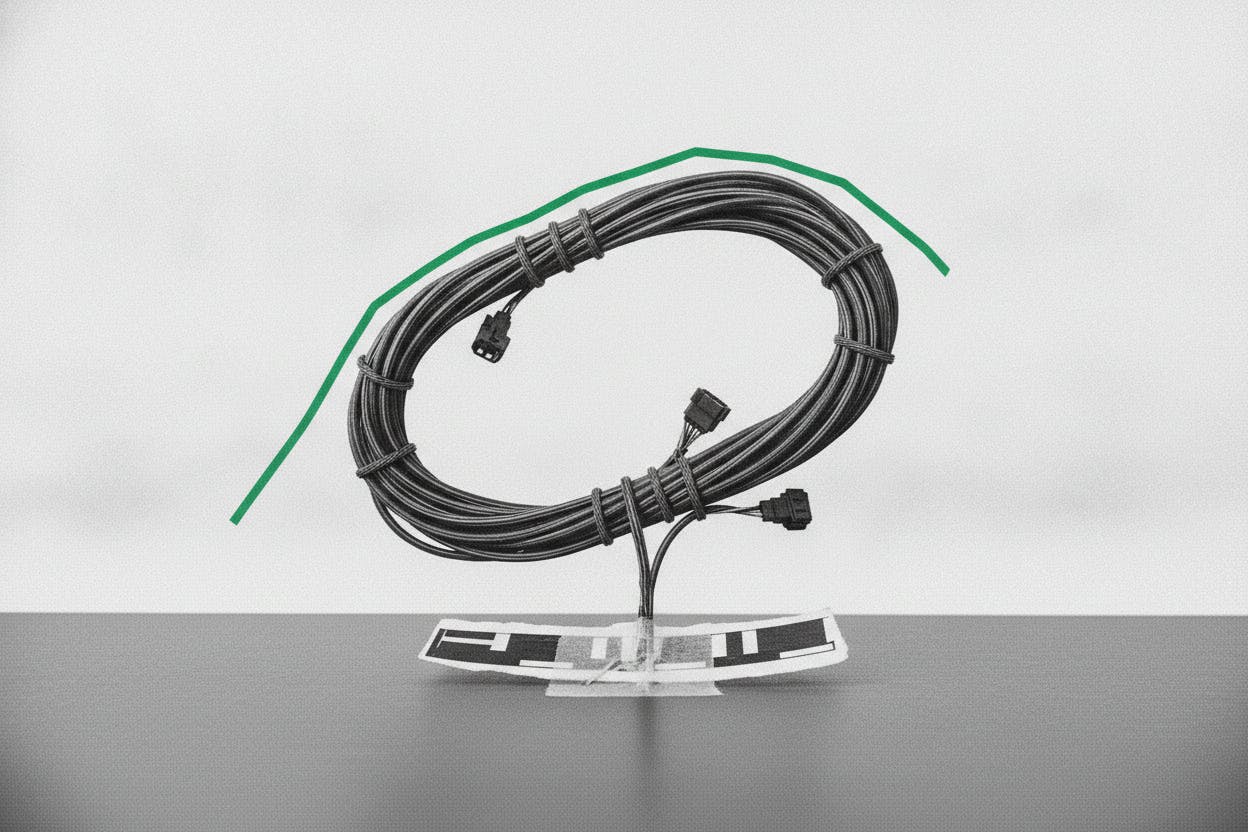
Revenue grew 16.7% during the period, led by an 11% increase in sales of wiring harnesses—the bundles of cables that carry electrical power and signals through vehicles. The company also said costs grew more slowly than sales, which helped lift profitability.
Why the profit jump is bigger than the sales rise
For everyday investors, the key takeaway is how a modest increase in revenue can produce a much larger increase in profit when a company's costs are under control. Samvardhana Motherson's revenue rose by roughly 17%, but profit jumped by more than half. That gap reflects what analysts call operating leverage: as sales grow, fixed costs like factories and administrative expenses are spread over more units, so each additional sale contributes more to the bottom line.
The company, based in Noida near New Delhi, supplies parts to major automakers including Volkswagen, BMW, and Mercedes-Benz. Its products range from interior and exterior components to lighting and electrical systems. Because it sits in the middle of the automotive supply chain, its results are often seen as a barometer for the health of the global car industry.
What's driving demand
The stronger demand comes as automakers worldwide continue to recover from supply-chain disruptions that plagued the industry in recent years. In India, vehicle sales have been robust, and global carmakers have also been investing heavily in new models, particularly electric vehicles. Wiring harnesses are essential in all vehicles, but EVs use them more extensively, so the segment's growth may reflect that shift.
Samvardhana Motherson's performance also fits a broader pattern of auto suppliers benefiting from resilient consumer demand. Similar trends have been visible elsewhere; for instance, Nintendo's profit rose despite a drop in Switch 2 sales, showing how cost control and product mix can offset volume declines. In the auto sector, suppliers with strong order books and efficient operations are often able to convert steady demand into outsized profit gains.
What it means for investors
For investors, the key numbers to watch are revenue growth, margin trends, and how the company manages costs. Samvardhana Motherson's 16.7% revenue rise is solid, but the 53.9% profit jump suggests margins are expanding. That could be a sign that the company is gaining pricing power or benefiting from lower raw material costs.
However, investors should also consider risks. Auto demand can be cyclical, and a slowdown in major markets like Europe or China could hurt orders. The company also faces competition from other parts suppliers, and currency fluctuations can affect its results since it operates globally.
Looking ahead, analysts will likely focus on whether the company can sustain this momentum. The automotive industry is undergoing a major transition to electric and autonomous vehicles, which could change the mix of parts needed. Companies that adapt quickly may benefit, while those that don't could see margins squeezed.
Broader market context
Samvardhana Motherson's results come at a time when global markets are paying close attention to corporate earnings for signs of economic health. Strong profit reports from suppliers like this one can boost confidence in the manufacturing sector. In other parts of the world, similar dynamics are playing out—for example, Kokusai Electric raised its outlook on the back of AI chip demand, showing how specific sectors can drive outsized gains.
For Indian investors, Samvardhana Motherson is a significant player in the country's auto components industry, which is a key part of the economy. The company's performance is often seen as a proxy for the health of the broader manufacturing sector. A strong quarter like this one could also have implications for other auto suppliers and related stocks.
As always, it's important to remember that past performance is not a guarantee of future results. While the current quarter looks strong, investors should keep an eye on global auto demand, raw material prices, and the company's ability to manage its costs in the coming quarters.