Saudi Aramco, the world's largest oil producer, is lining up a $10 billion revolving credit facility, according to a Bloomberg report. The loan would be provided by a syndicate of international banks, including HSBC, Citi, JPMorgan, Japan's Mitsubishi UFJ Financial Group, and major Chinese banks such as Bank of China and Industrial & Commercial Bank of China.
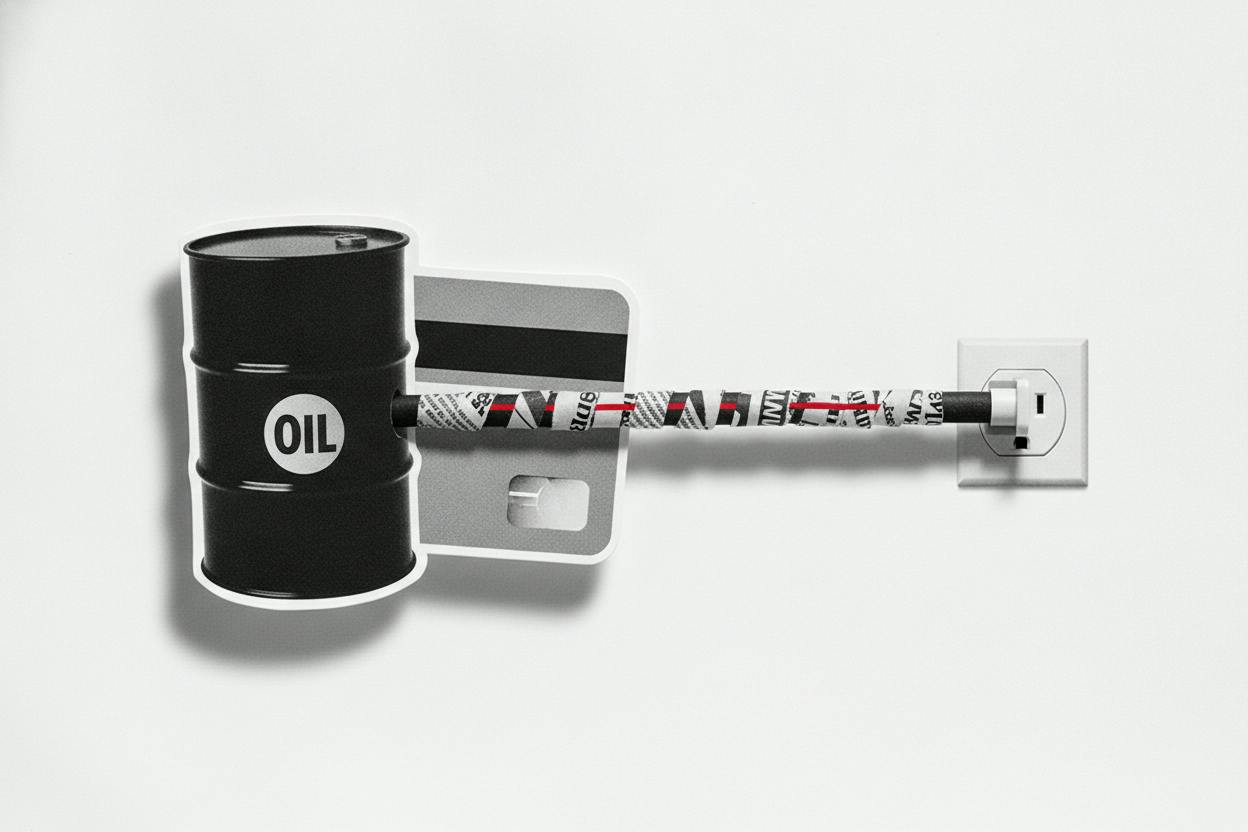
A revolving credit facility works like a corporate credit card: it gives a company access to a pre-approved pool of money that it can draw on and repay as needed. Companies often use these lines to cover short-term cash needs without issuing long-term bonds. For Aramco, this facility would provide flexibility to manage its cash flows, especially given the volatility in oil prices and its large capital spending commitments.
What the pricing tells us
Bloomberg reported that the loan could be priced at 60 basis points over the Secured Overnight Financing Rate (SOFR), a benchmark for short-term U.S. dollar borrowing. That means Aramco's interest cost would float with U.S. rates, plus a small margin for the banks. A 60 basis point spread is notably thin, reflecting Aramco's investment-grade creditworthiness and the current state of the syndicated loan market.
For investors, this pricing is a useful signal. When a top-tier borrower like Aramco can secure such a narrow margin, it suggests that credit spreads in the bank-loan market are tight. That can be a sign of ample liquidity and strong appetite among lenders to finance blue-chip companies. It also gives other investment-grade firms and their bankers a reference point for what "cheap" dollar funding looks like right now.
Because the spread is mostly fixed while SOFR resets, this type of facility keeps a borrower's marginal funding cost tied to short-term U.S. rates, not long-term bond yields. If SOFR falls, the all-in cost drops; if it stays high, drawing on the line remains expensive even if credit conditions are calm. For Aramco, this means its borrowing costs will move in step with the Federal Reserve's policy path.
Why the lender lineup matters
The syndicate is unusually international for a single facility. It spans Western banks like HSBC, Citi, and JPMorgan, as well as Japanese and Chinese lenders. That breadth is notable because assembling large cross-border loan clubs has become harder in recent years, as regulation and geopolitical tensions make banks more cautious about risk and exposure.
Having Chinese banks on board is particularly interesting, given the ongoing economic and political frictions between the U.S. and China. It suggests that even in a fragmented global banking landscape, major borrowers can still tap a wide pool of capital. For Aramco, which is majority-owned by the Saudi government, this facility also underscores its deep ties to both Western and Asian financial institutions.
The move comes as Saudi stocks have rebounded on easing regional tensions and a widening trade surplus, and as oil prices remain elevated amid geopolitical uncertainty. Aramco's ability to secure cheap financing is a reminder of its financial strength, even as it invests heavily in expanding production capacity and diversifying into new energy areas.
What it means for investors
For everyday investors, this news is mostly a background signal rather than a direct call to action. It tells you that credit markets are functioning well and that top-tier corporate borrowers can still access cheap money. That is generally a positive sign for the broader economy, as it suggests banks are willing to lend and that liquidity is available.
However, it also highlights the importance of interest rates. If the Federal Reserve keeps short-term rates high, Aramco's borrowing costs will stay elevated, even if the spread is thin. That could affect its profitability and, by extension, its dividend payments, which are a key source of income for the Saudi government and for investors in Saudi stocks.
For those watching the syndicated loan market, this deal is a benchmark. It shows that even in a world of tighter regulation and geopolitical risk, the biggest borrowers can still command favorable terms. That is a sign of stability, but also a reminder that credit conditions can change quickly if the economic outlook shifts.
As always, investors should focus on their own portfolios and risk tolerance. This news is one data point in a complex global financial system, not a reason to make sudden moves.