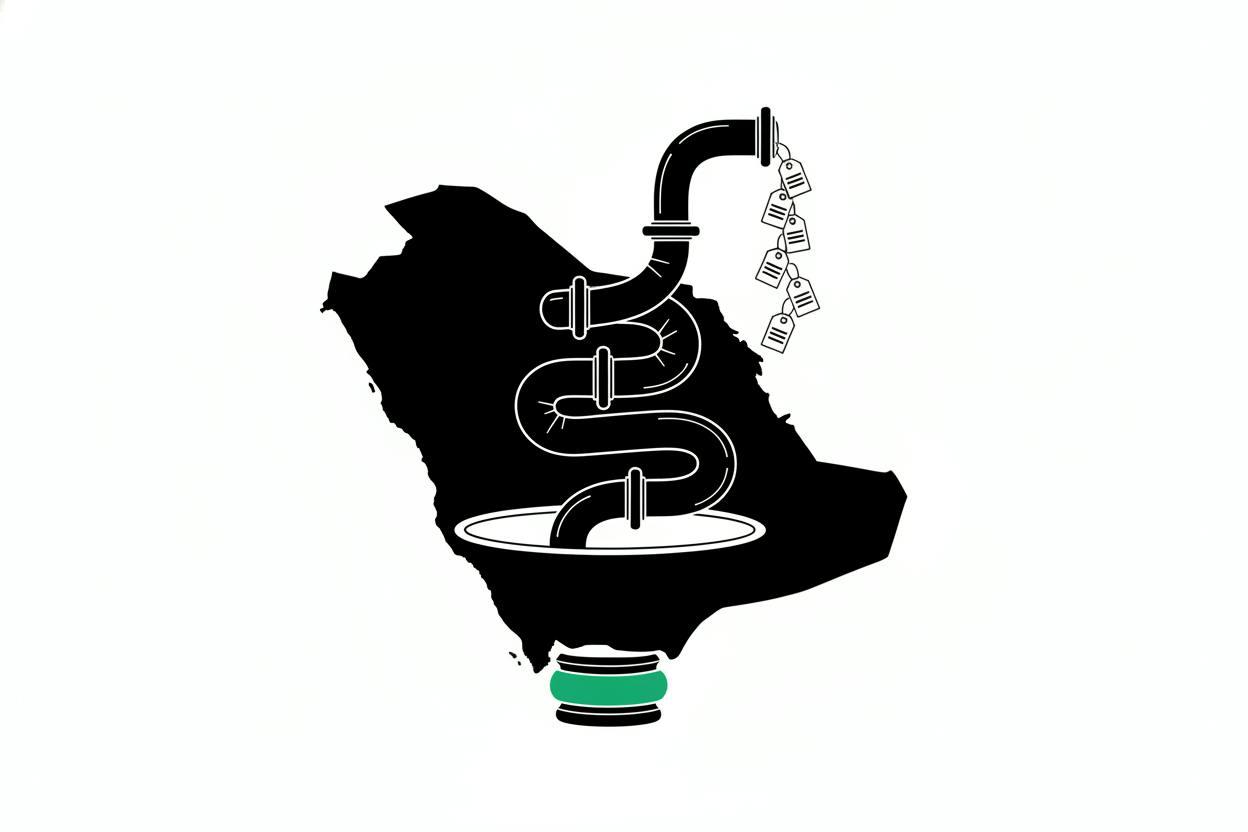
Saudi Arabia's consumer inflation cooled in October, posting its softest reading since April, according to data from the General Authority for Statistics (GASTAT). But beneath that headline, a different story is unfolding: wholesale inflation accelerated to 4.5% year over year, and producer prices are running even hotter. That gap between consumer and upstream prices is a signal investors should watch closely.
Consumer prices ease, but not everywhere
GASTAT reported that consumer prices rose just 0.1% from September, after being flat the month before. On an annual basis, inflation slowed as pressures in housing, utilities, and food moderated—though those categories are still rising. The overall picture is one of slower inflation, not its disappearance.
For everyday Saudis, this means the cost of living is still climbing, just at a more manageable pace. For investors, the softer consumer price index (CPI) might suggest the central bank has room to keep policy steady, but the upstream data complicates that view.
Wholesale and producer prices point upward
Wholesale prices—what businesses pay for goods before they reach retailers—rose 4.5% from a year earlier in October, up from 4.2% in September. They also climbed 1.1% from the previous month, reversing a small dip. In a separate release, GASTAT said producer prices—what local producers receive at the factory gate—were up 6.6% year over year in September, accelerating from 5.1%, led by manufacturing and utilities.
This combination often matters with a lag. Higher producer and wholesale costs can filter into retail prices later, but the timing depends on contracts, pricing cycles, and how competitive each market is. When wholesale and producer prices run hotter than consumer inflation, companies can get squeezed. Many manufacturers, distributors, and consumer-facing firms see input costs rise first, while retail prices adjust more slowly because of fixed-price contracts and competitive pressure.
What it means for investors
For markets, GASTAT's 4.5% wholesale inflation points to margin pressure before CPI re-accelerates. Even with a softer CPI print, upstream inflation can shift near-term earnings risk toward input-cost-sensitive sectors, where margins may compress before any catch-up shows up in headline consumer inflation.
Investors should watch sectors like food processing, construction materials, and utilities, where input costs are a large share of expenses. If wholesale inflation persists, companies in these areas may see their profit margins shrink unless they can pass costs on to consumers—something that's harder in a competitive retail environment.
The divergence between consumer and wholesale inflation is not unique to Saudi Arabia. Similar patterns have appeared in other economies, often signaling that consumer price pressures could return. For instance, India's wholesale inflation hit a record high earlier this year, driven by fuel prices, before consumer prices eventually caught up. In the U.S., hot producer prices rattled rate hopes recently, showing how upstream costs can influence market sentiment.
For Saudi Arabia, the key question is whether this upstream pressure is temporary or structural. If it's driven by global commodity prices, it may ease as supply chains normalize. If it's domestic—such as energy or utility costs—it could be more persistent.
Broader context
Saudi Arabia's economy is heavily tied to oil, but the government has been pushing diversification. Inflation dynamics here are also influenced by the Saudi riyal's peg to the U.S. dollar, which means monetary policy often follows the Federal Reserve. If U.S. rates stay high, Saudi rates may follow, which could dampen domestic demand and keep consumer inflation in check.
Geopolitical tensions in the region have also weighed on Saudi stocks, as Saudi stocks slipped despite cooler inflation. Investors are balancing domestic data with external risks.
For now, the data suggests a mixed picture: consumers are getting some relief, but businesses are feeling the heat. The next few months will show whether that heat reaches the checkout counter.