Saudi Energy, a major utility and energy services provider in the kingdom, reported a 7% year-on-year decline in second-quarter net profit, landing at 4.89 billion riyals. The drop came despite a solid 11% rise in revenue, which the company attributed to growth in its regulated asset base and an expanding customer base.
The mixed results prompted Riyad Capital, a Saudi investment bank, to keep its Neutral rating on the stock and hold its price target at 17 riyals per share. The unchanged target suggests the brokerage sees limited upside from current levels, even as the company's top line continues to expand.
Why profit fell while revenue rose
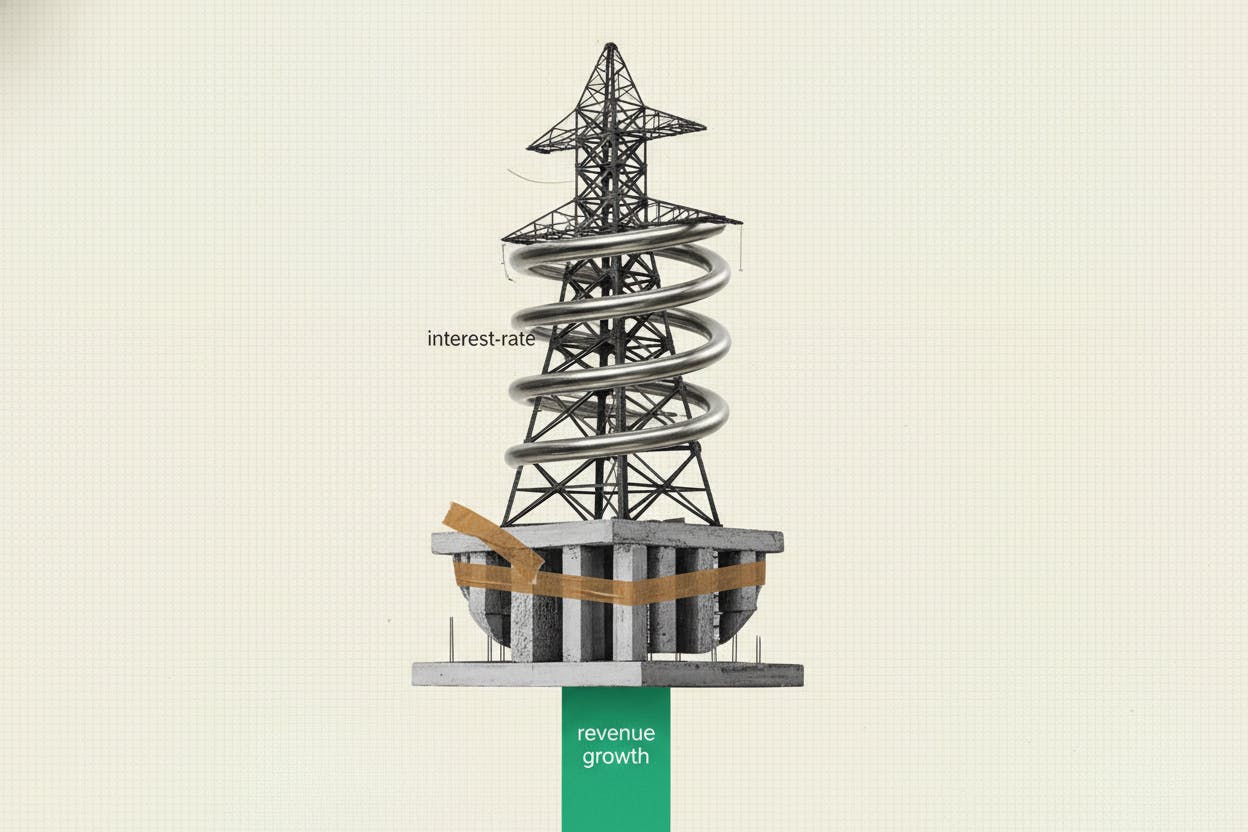
The divergence between profit and revenue is not unusual for utility companies. Revenue growth often comes from investments in regulated assets—infrastructure like power plants, water networks, or electricity grids—where returns are set by regulators. While these investments boost revenue, they also bring higher depreciation and financing costs, which can weigh on net profit in the short term.
In Saudi Energy's case, the 11% revenue increase was driven by "regulated asset growth and more customers," according to the company. But the 7% profit decline suggests that costs—possibly including interest expenses, depreciation, or operational outlays—grew faster than the top line. For everyday investors, this is a reminder that revenue growth does not always translate into higher earnings, especially in capital-intensive sectors like utilities.
What the Neutral rating means
Riyad Capital's Neutral rating is essentially a "hold" recommendation. It signals that the brokerage believes the stock is fairly valued at its current price and that there are no strong catalysts to push it significantly higher or lower. The 17-riyal price target implies the shares are trading near where analysts think they should be.
For investors, a Neutral rating often means it's a stock to keep in the portfolio for stability and dividends, rather than one to buy aggressively for growth. Utilities are typically seen as defensive plays—they provide essential services, so their earnings are relatively insulated from economic swings. That can make them attractive during uncertain times, but it also means their growth potential is usually modest.
Other companies in the region have shown similar patterns recently. For instance, Dana Gas saw its profit rise but missed targets due to operational disruptions, while Hapag-Lloyd's profit slumped on geopolitical costs. These examples highlight how external factors can affect earnings even when revenue looks healthy.
What it means for investors
For those holding Saudi Energy shares, the key takeaway is that the company is still growing its revenue base, which could support future earnings as costs stabilize. The regulated asset growth is a positive sign because it indicates the company is investing in infrastructure that will generate steady, predictable cash flows for years to come.
However, the profit decline is a caution flag. If costs continue to outpace revenue, margins could stay under pressure. Investors should watch for management's commentary on cost control and any updates on regulatory approvals for new projects.
In the broader context, Saudi Arabia is investing heavily in its energy and utility sectors as part of its Vision 2030 plan to diversify the economy. That could create opportunities for companies like Saudi Energy, but it also means increased competition and potentially higher capital expenditures.
For now, Riyad Capital's Neutral stance suggests patience. The stock may not be a screaming buy, but it's not a sell either. As with any investment, it's important to consider how it fits into your overall portfolio and risk tolerance. If you're looking for income and stability, a utility stock like this might have a place. If you're seeking high growth, you might look elsewhere.
Investors should also keep an eye on the company's next earnings report to see if the profit trend reverses. A return to profit growth, combined with continued revenue expansion, could prompt analysts to upgrade their ratings and lift the price target.
In the meantime, the market's reaction to the results will be telling. If the stock holds steady despite the profit drop, it suggests investors are focused on the long-term revenue story. If it falls, it could indicate concerns about the sustainability of earnings.
As always, do your own research and consider seeking advice from a financial professional before making any investment decisions.