Saudi Arabia's stock market ended essentially unchanged on the day, with the Tadawul All Share Index (TASI) slipping just 0.01%, as investors digested fresh data showing that construction costs in the kingdom continue to rise. The near-flat close came as the market headed into a holiday for Saudi National Day.
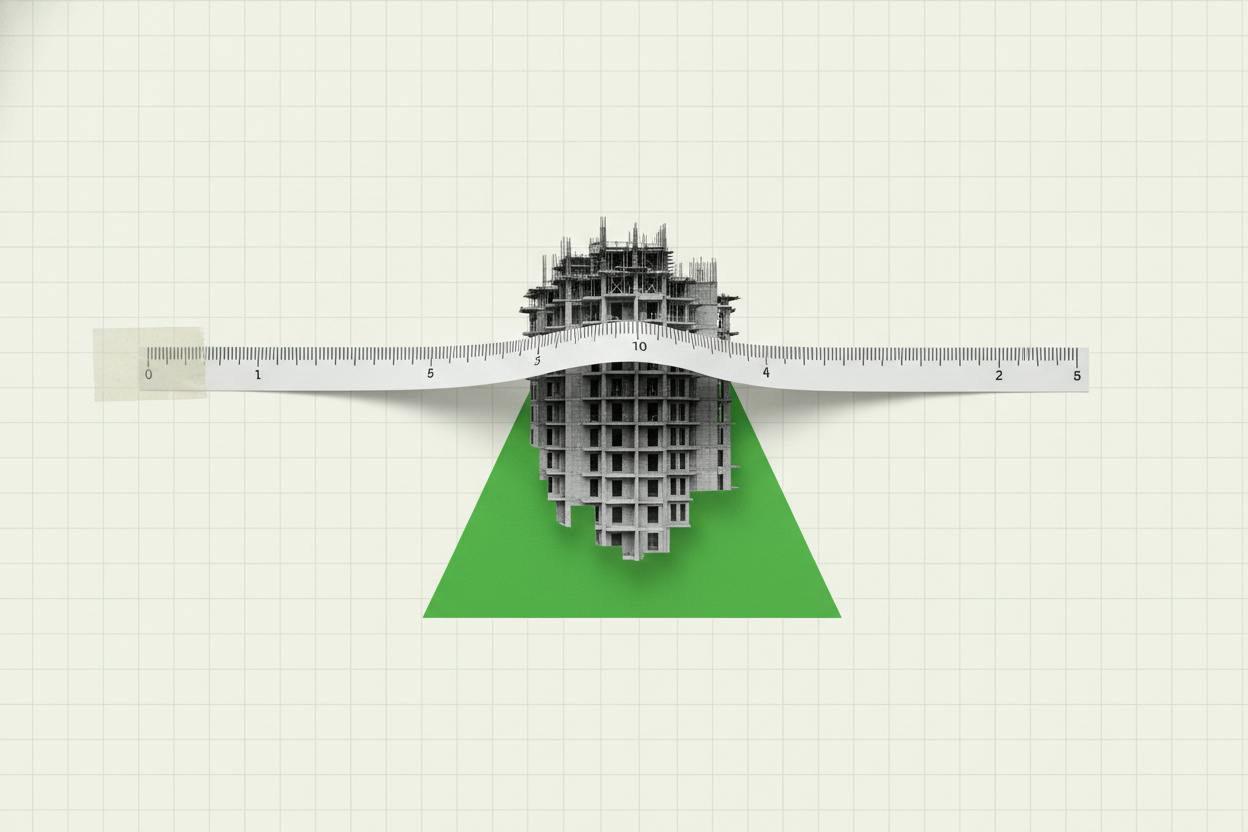
The General Authority for Statistics, Saudi Arabia's official data agency, reported that the construction cost index rose 2.3% year over year in August and edged up 0.1% from July. Residential construction costs were up 2.1% compared with a year earlier. The figures offer a window into the cost pressures facing builders even as headline inflation in the kingdom has cooled from its earlier peaks.
Why construction costs matter to the Saudi story
Saudi Arabia is in the middle of an ambitious economic transformation under Vision 2030, a government plan to diversify the economy away from oil. That has meant a wave of large-scale projects — from new cities and tourism developments to stadiums and infrastructure — many of them backed by the kingdom's sovereign wealth fund. Construction is one of the most visible engines of that push.
When construction costs climb, the companies doing the building feel it first. Contractors typically work on fixed-price or tightly budgeted contracts, so rising costs for materials, labour and equipment can squeeze profit margins. Those pressures can ripple outward: developers may delay projects, renegotiate terms, or pass costs on where they can. For listed construction and building-materials companies, cost trends are a key swing factor in earnings.
The construction cost index is not the same as consumer inflation. It tracks the prices of inputs used in building — things like cement, steel, equipment and labour — rather than the basket of goods households buy. That distinction matters. A country can see headline inflation ease while construction costs keep rising, because the two are driven by different forces. In Saudi Arabia's case, the sheer scale of ongoing development has kept demand for construction inputs elevated.
Investors have been watching this dynamic closely. The kingdom's non-oil economy has been a bright spot, but the pace of project spending and the cost of delivering those projects are recurring themes in corporate results and analyst commentary. Construction costs have been climbing for some time, and August's reading suggests that trend has not reversed.
What it means for investors
For everyday investors, the takeaway is less about the 0.01% move in TASI — a rounding error that says little on its own — and more about what the underlying data signals. A market that barely moves on mixed news often reflects a wait-and-see mood, especially ahead of a holiday when trading volumes tend to thin out.
The construction cost data is a reminder that not all inflation is created equal. If input costs stay elevated, companies tied to Saudi building activity — contractors, cement and steel producers, and the developers commissioning the work — could face continued margin pressure. That can show up in earnings, in project timelines, and in how aggressively companies bid for new work.
At the same time, rising construction costs are not automatically bad for every stock. Companies that supply materials may benefit from higher prices if they can pass them on. Firms with strong balance sheets and pricing power tend to weather cost inflation better than those operating on thin margins. The key question for investors is which companies can absorb higher costs without denting profits.
Broader market direction will also depend on factors beyond construction. Oil prices remain a dominant influence on Saudi equities, given the economy's reliance on energy revenues. Global interest rate expectations, regional geopolitics and the pace of government project spending all feed into sentiment. Oil's moves and regional diplomacy have repeatedly shaped Gulf markets this year.
What to watch next
Investors will want to see whether construction costs continue their gradual climb in the coming months, and whether that translates into weaker margins for listed builders. Upcoming corporate earnings and any updates on major project timelines will be closely read. The direction of oil prices and any shifts in government spending plans will also matter for the wider index.
For now, the picture is one of a market treading water while the cost of building in Saudi Arabia keeps edging higher — a slow-burn pressure that matters more to specific sectors than to the index as a whole.