Saudi Arabia's construction bills kept climbing in August, according to the kingdom's General Authority for Statistics. The construction cost index rose 2.3% compared with a year earlier and edged up 0.1% from July, a month that had been flat. In short, building in Saudi Arabia is not getting any cheaper.
The breakdown shows where the pressure is coming from. Labor costs were up 5.1% year on year, equipment rentals rose 4.1%, energy costs climbed 3%, and basic materials were 1.8% higher, with metal products doing most of the pushing. Residential construction costs rose 2.1% from a year earlier, while non-residential costs were up 2.6% and also ticked 0.1% higher month on month.
Why construction costs matter in Saudi Arabia
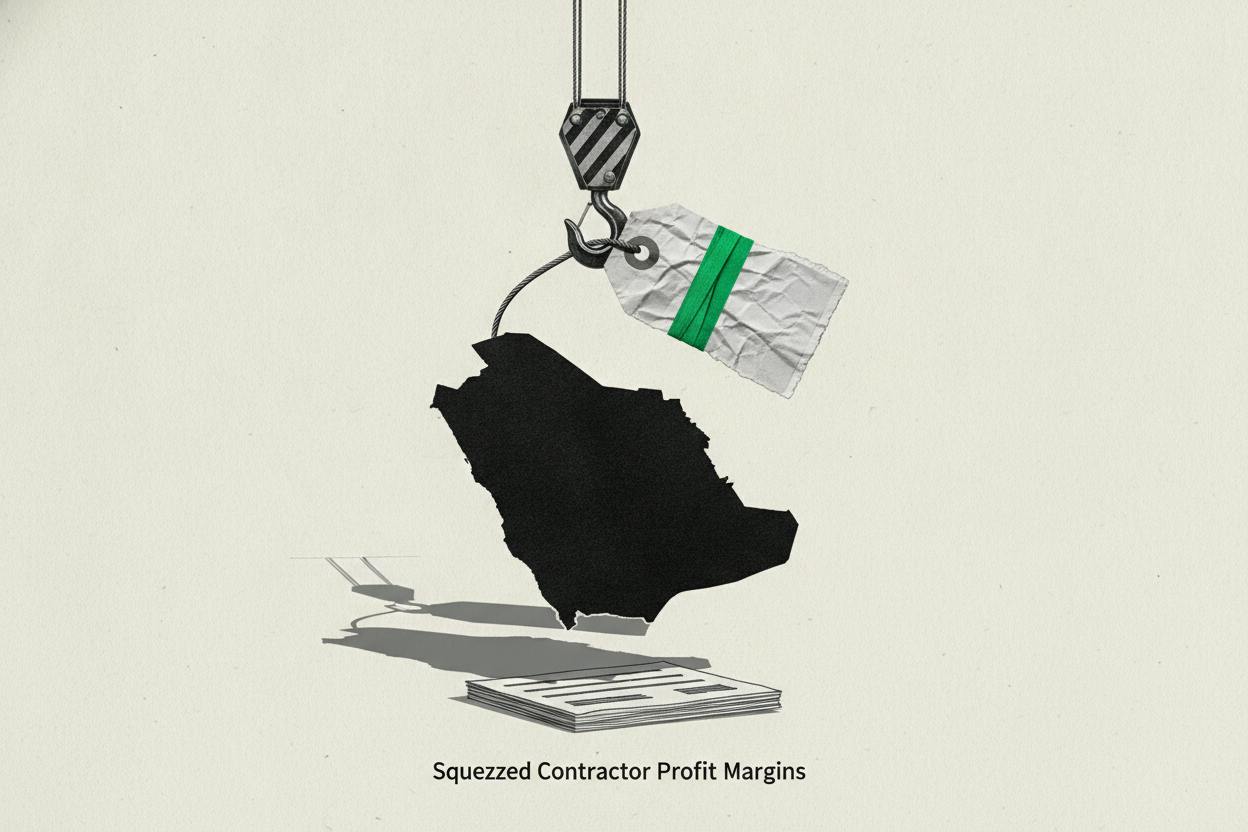
Saudi Arabia is in the middle of an enormous building push tied to its Vision 2030 economic diversification plan. That program covers everything from new cities and tourism resorts to stadiums, transport links and industrial plants. When the cost of labor, machinery and materials rises, the companies doing that work face thinner margins unless they can pass the increases on to their clients — usually the government or large state-backed developers.
The construction cost index is a simple but useful gauge. It tracks the prices builders pay for the inputs they need: workers, rented equipment, fuel and power, and raw materials such as steel and cement. A reading that keeps rising tells you the industry's cost base is expanding, even if the pace is moderate. The 2.3% annual increase is not dramatic by global standards, but it is persistent, and it comes on top of earlier increases.
Labor is the standout. A 5.1% annual rise in labor costs reflects the reality that Saudi Arabia's construction boom has created heavy demand for skilled and unskilled workers, and the kingdom has tightened rules around foreign labor in recent years. Equipment rentals rising 4.1% points to strong demand for cranes, earthmovers and other machinery as multiple megaprojects run at the same time. Energy costs, up 3%, feed into almost every part of the process, from running generators to transporting materials.
The broader backdrop
Construction costs are not moving in isolation. Oil prices and shipping conditions shape the cost of imported materials, and Saudi Arabia imports a large share of its steel, machinery and specialist components. Any disruption to regional shipping or energy flows can feed through to builders' bills. Investors who follow the kingdom's markets have already seen how sensitive sentiment can be to oil and logistics news, from crude flows through Hormuz to shipping traffic shifts that ripple across the region's equities.
At the same time, Saudi Arabia is trying to build new industries, not just buildings. Projects such as the Ceer electric vehicle venture show the kingdom wants manufacturing and technology capacity alongside its traditional energy base. Those ambitions depend on construction staying affordable enough to keep timelines and budgets intact.
Globally, construction costs have been a mixed picture. Some markets have seen input prices cool as supply chains normalised after the pandemic, while others remain elevated because of labor shortages and strong public investment. Saudi Arabia sits in the second camp: demand is high, and the pipeline of projects is long.
What it means for investors
For everyday investors, the key takeaway is that rising construction costs are a margin story. Companies that build, supply or finance Saudi projects — contractors, cement and steel producers, equipment rental firms and banks lending to developers — all feel the effect. Firms with fixed-price contracts are the most exposed, because they have agreed to deliver at a set price while their costs drift higher. Firms that can reprice or that supply scarce inputs, such as equipment, may actually benefit from the same trends.
Investors with exposure to Saudi equities, regional infrastructure funds or global construction and materials companies should watch a few things from here. First, whether the monthly pace of cost increases accelerates or stays mild. A 0.1% monthly move is modest, but if labor and equipment costs keep outpacing materials, contractors' margins will stay under pressure. Second, whether oil and shipping conditions remain stable, since both feed into imported input costs. Third, whether the kingdom adjusts project budgets or timelines — a signal that cost inflation is starting to bite.
It is also worth remembering what this index is not. It is a cost measure, not a profit measure, and it says nothing directly about how much builders are charging. A company can absorb higher costs if it has pricing power or a healthy backlog. What the August data shows is that the cost environment remains firm, and that the companies best placed to cope are those with scale, pricing flexibility or control over scarce resources.
For now, the trend is steady rather than alarming. But in a market as project-driven as Saudi Arabia's, even moderate cost inflation is worth tracking — because it shapes the returns of the companies building the kingdom's next decade.