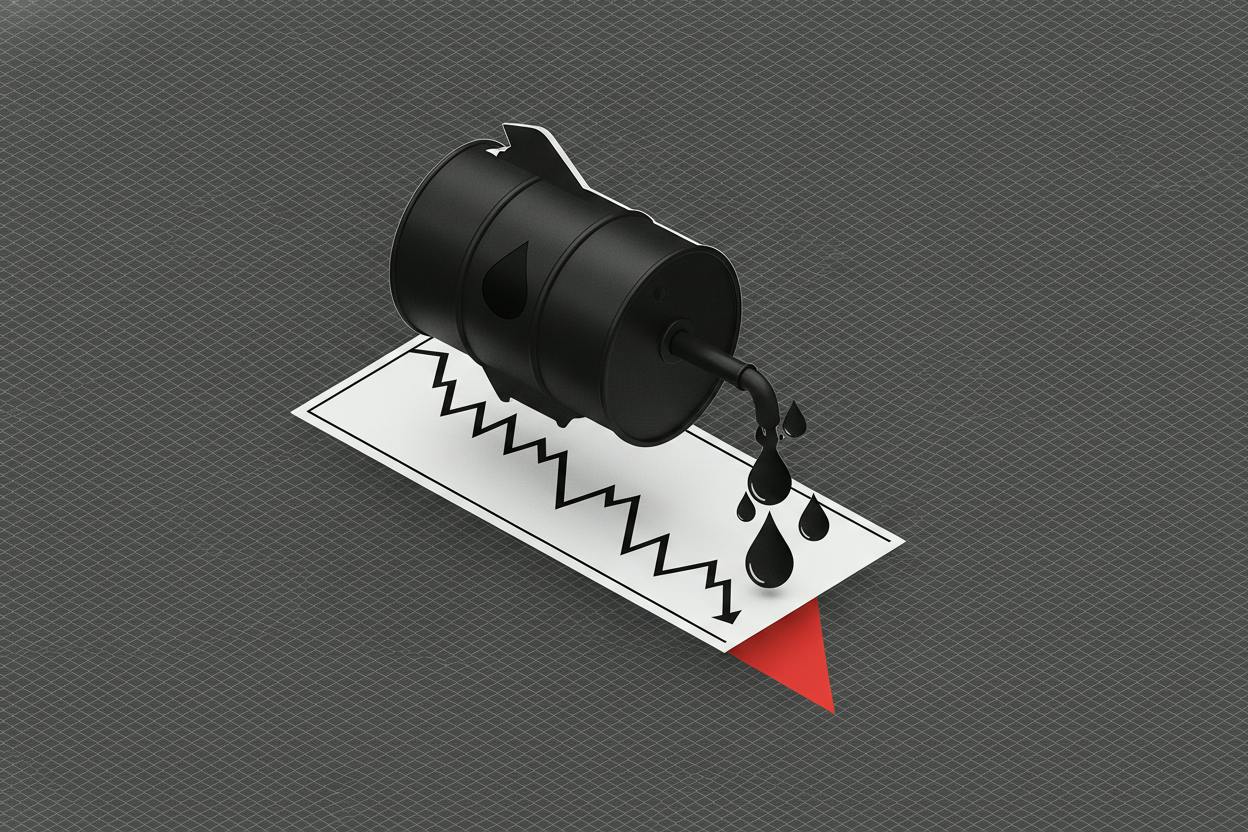
Saudi Arabian stocks slipped at the start of the week after government data revealed a sharp contraction in the kingdom's industrial production for August. The headline figure fell 23.5% compared with the same month a year earlier, with oil-related activities plunging 33.6% — a stark reminder of how heavily the world's largest crude exporter still leans on hydrocarbons.
Non-oil activity, by contrast, managed a modest 1.2% gain, offering a sliver of evidence that the country's diversification push is slowly taking root. But for investors, the oil numbers dominated the mood, dragging the main equity index lower as trading got underway.
Why oil output matters so much
Saudi Arabia's economy is uniquely tied to crude. Oil and petrochemicals account for the bulk of government revenues and a large share of exports, so swings in production and prices ripple quickly through the broader economy. When oil activity falls by a third, it doesn't just dent the energy sector — it hits logistics, construction, and a wide range of services that depend on oil-related spending.
The 23.5% drop in industrial production is a year-on-year comparison, meaning it reflects August 2026 versus August 2025. Such a steep decline suggests that either the kingdom was pumping far less crude this year, or that prices and demand conditions were significantly weaker, or a combination of both. The brief doesn't specify the cause, but in recent years Saudi output has been shaped by OPEC+ production agreements, which have often required the kingdom to cut output to support global prices.
For everyday investors, the key takeaway is that Saudi equities remain highly sensitive to the oil market. When crude prices fall or production is curtailed, the stock market tends to feel it quickly. That's why the recent strength in oil prices above $100 has been a supportive factor for the region, even as other global markets wrestled with higher bond yields.
What the non-oil gain means
The 1.2% rise in non-oil activity is small, but it's a sign that sectors like manufacturing, retail, and tourism are growing even as the oil engine sputters. Saudi Arabia's Vision 2030 plan, which aims to reduce dependence on oil, has poured billions into new industries, entertainment, and infrastructure. Those efforts are gradually showing up in the data, though the pace remains slow.
For investors, the non-oil expansion is a long-term story. It suggests that companies focused on domestic consumption, healthcare, or technology could benefit from structural tailwinds even if oil stays weak. But it's not yet large enough to offset the oil drag on the overall economy or the stock market.
The broader regional context also matters. Gulf markets have been volatile this year, influenced by global interest rates, energy prices, and geopolitical tensions. In a week when global stocks managed to end higher despite Treasury yields near multi-decade highs, Saudi Arabia's slide underscores how local factors can diverge from global trends.
What it means for investors
For anyone holding Saudi stocks or considering them, the August data is a reminder to watch oil fundamentals closely. If production cuts continue or prices soften, the market could face further pressure. Conversely, any rebound in oil output or a sustained rise in crude prices would likely lift sentiment.
Investors should also keep an eye on the non-oil sector. While the 1.2% gain is modest, it's a positive signal for companies tied to domestic demand. Over time, as the economy diversifies, the stock market's fate may become less tied to every barrel of crude.
That said, the immediate outlook is clouded. The sharp drop in oil activity suggests that the kingdom is still in the middle of an energy-driven slowdown. For now, the market's direction will likely hinge on the next OPEC+ meeting and any signals about production policy. As energy stocks elsewhere have shown, oil-related headlines can move markets in a hurry.
In the meantime, investors should brace for more volatility. Saudi stocks are not for the faint-hearted, and days like this one are a reminder that when oil sneezes, the kingdom's market catches a cold.