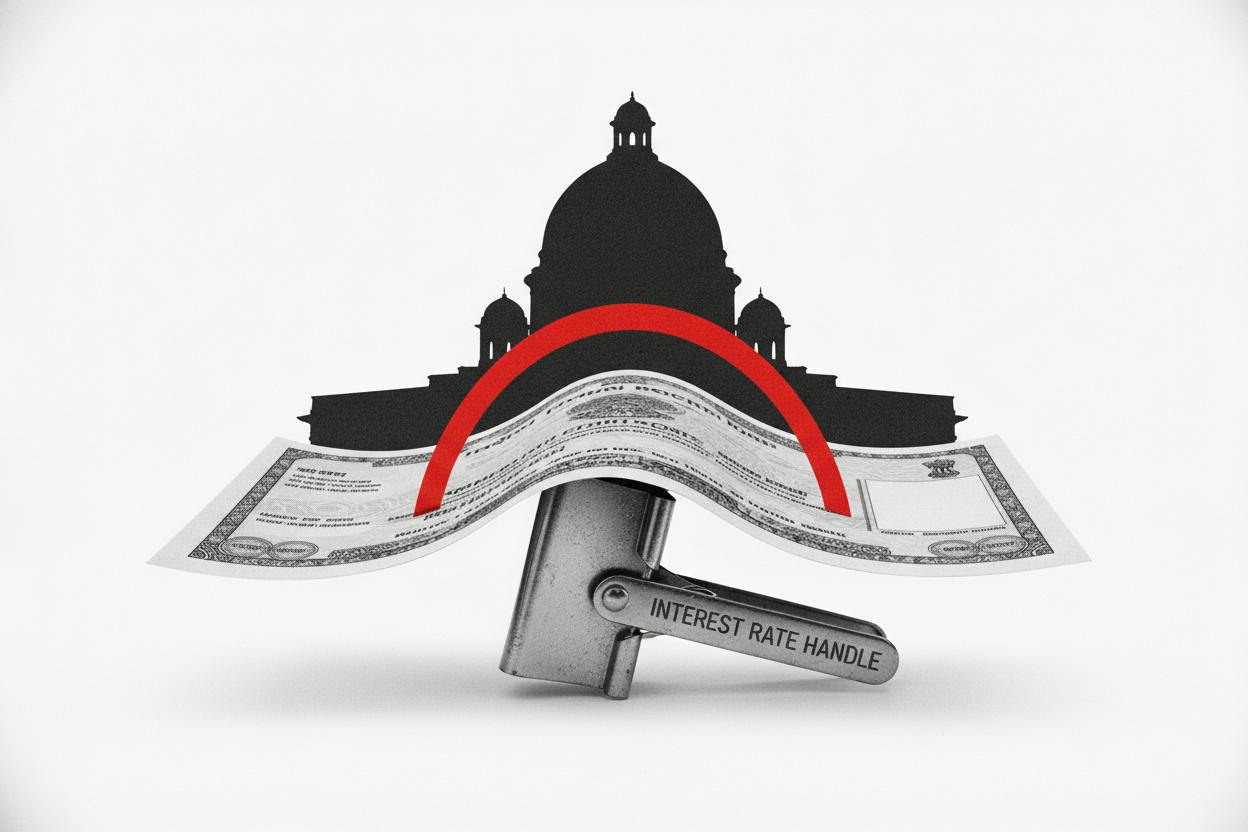
Cybersecurity firm SentinelOne has raised $1.25 billion by selling convertible notes that pay no interest, a move that gives the company cheap capital while offering investors a chance to profit if the stock rises. The notes, due in 2031, were priced with a conversion premium of roughly 30% above the company's recent share price, and the company plans to use part of the proceeds to buy back its own stock and to hedge against future dilution.
How convertible notes work
Convertible notes are a type of corporate debt that can be converted into shares of the issuing company at a predetermined price. If the stock rises above that conversion price, investors can swap their notes for shares, potentially capturing the upside. If the stock stays below the conversion price, investors simply get their principal back at maturity, plus any interest—though in this case, the interest rate is 0%.
Because the conversion feature gives investors a potential equity upside, companies can often issue convertible notes at lower interest rates than traditional bonds. In SentinelOne's case, the 0% coupon means the company pays no regular interest, making the debt essentially free until maturity, unless conversion occurs.
The conversion price was set at around $31.21 per share, about 30% above the company's closing price of $24.01 on October 13. That premium is what compensates investors for accepting a zero interest rate—they are betting that SentinelOne's stock will rise by more than 30% over the next several years.
Why the buyback and capped calls?
Issuing convertible notes creates a potential problem for existing shareholders: if the stock rises and investors convert, the company will have to issue new shares, which dilutes the ownership stake of current shareholders. To offset this, SentinelOne is spending $131.6 million on “capped calls,” which are option contracts that give the company the right to buy shares at a certain price. This hedge helps cover the dilution up to a specified level, effectively limiting the impact on existing shareholders if the stock climbs.
In addition, the company announced a $150 million share buyback program. Buying back shares can support the stock price and reduce the number of shares outstanding, which can boost earnings per share. It also signals that management believes the stock is undervalued.
This combination—issuing convertible notes, buying back stock, and using capped calls—is a common strategy for growth companies that want to raise capital without immediately diluting shareholders. It's similar to what other tech firms have done, such as Cipher Digital's recent $850 million zero-interest convertible note sale.
What it means for investors
For SentinelOne shareholders, the deal has several implications. First, the company is raising a large amount of capital at no interest cost, which strengthens its balance sheet and gives it flexibility to invest in growth, make acquisitions, or weather economic downturns. Second, the buyback and capped calls are designed to protect existing shareholders from dilution, which is generally a positive signal.
However, the capped calls only provide protection up to a certain stock price. If SentinelOne's shares rise dramatically above that level, dilution could still occur. Investors should also note that the company is essentially betting on its own future—if the stock doesn't rise above the conversion price, the notes will simply be repaid at maturity, and the company will have paid no interest, which is a cheap source of funding.
For everyday investors, this type of deal is a reminder that companies have many tools to raise capital beyond traditional stock or bond offerings. Convertible notes can be attractive to investors who want some downside protection (they get their principal back if the stock falls) while still participating in upside. But they also carry risks, such as the possibility that the company's stock underperforms, leaving investors with a low-yield bond.
SentinelOne operates in the competitive cybersecurity sector, where growth is driven by increasing threats and regulatory demands. The company has been expanding its product offerings and customer base, and this capital raise could help fund those efforts. Investors will likely watch how the company deploys the funds and whether it can maintain its growth trajectory.
In the broader market, convertible note issuance has been a popular way for tech companies to raise capital, especially when interest rates are low or when companies want to avoid diluting existing shareholders. The recent Tencent bond sale to fund its AI push is another example of companies tapping debt markets for strategic investments.
For SentinelOne, the success of this deal will depend on whether the stock rises enough to make conversion attractive, and whether the company can use the capital to generate returns that exceed the cost of the notes. As always, investors should consider their own risk tolerance and do their own research before making any decisions.